
What this work is made with
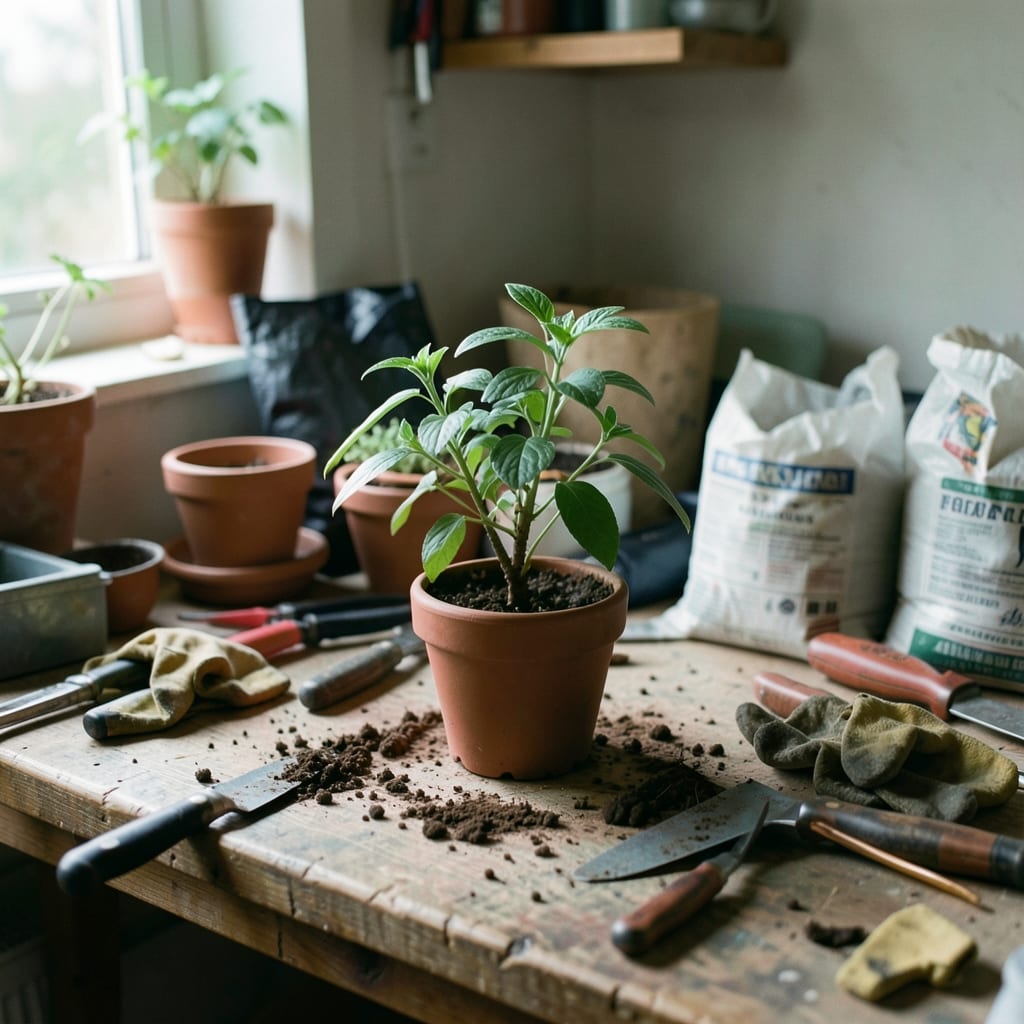
This page is not a story. It is a list of things—the tools, the soil, and the hands that shape what you’ll find here. Gardening is not just advice; it is dirt under nails, the weight of a shovel, the way a seedling leans toward the light.
We name what holds the work together.
This is *Plant Zone Guide*, a place for the quiet science of growing. Here, you’ll find the best times to plant, how to coax life from stubborn soil, and the small victories of a thriving garden. The page you’re about to read depends on the objects below.
The things that do the work
These are the tools that shape the advice: the ones that wear down, the ones that never quite fit right, and the ones that do the work anyway. No writing, no numbers—just the things that get used until they break.
The old trowel
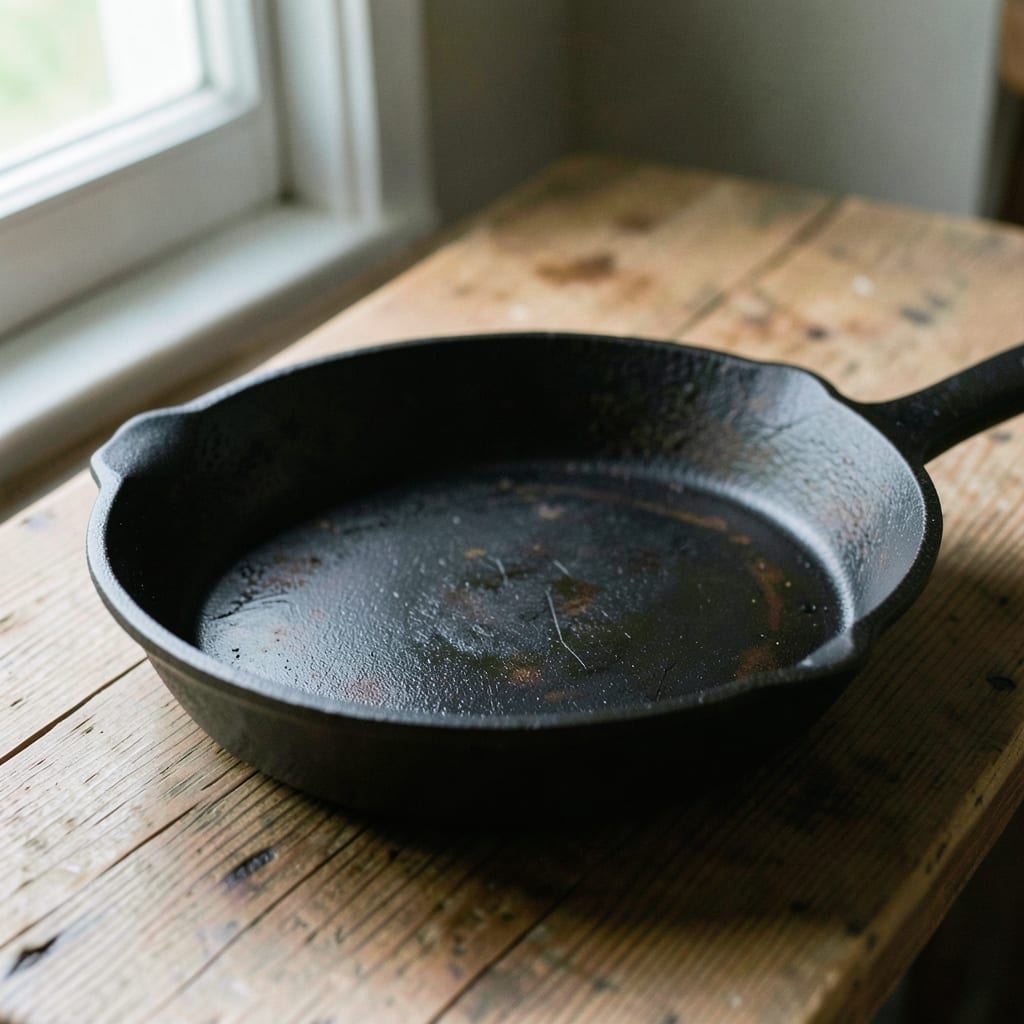
A hand-forged trowel with a handle worn smooth from years of digging. It belongs to my grandfather, who used it in the greenhouse where I first learned to plant. The blade is nicked from striking rocks, and the wood has split twice but was bound back with twine.
It taught me that the best tools are the ones that survive. When the blade bent after hitting a buried root, I kept using it—because a bent trowel still digs, just differently.
Now, I notice how every tool has its own way of failing, and that’s how you learn what to watch for.
The cracked seed tray
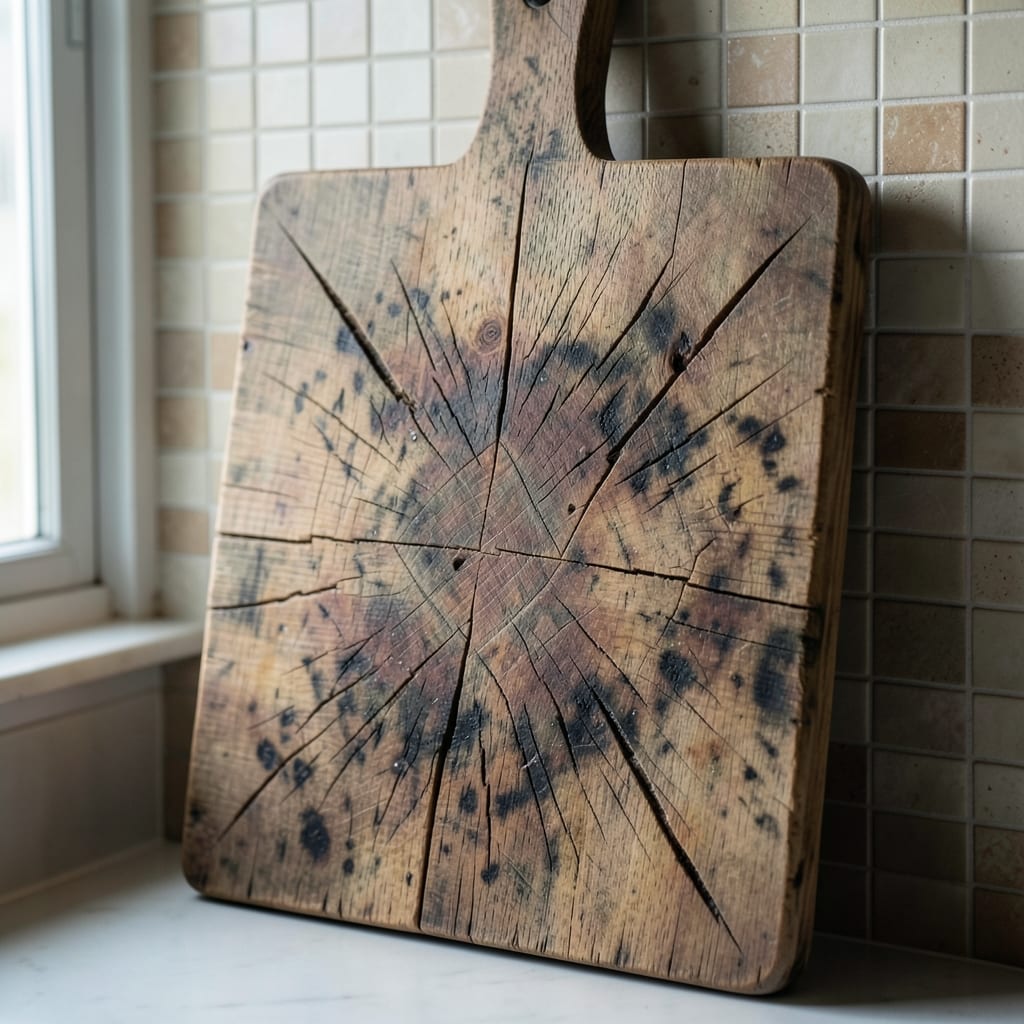
A plastic seed tray with three broken corners, held together by duct tape. It’s been in rotation since 2018, when I bought it in bulk for a community garden project. The cracks let water pool in some cells but not others, so I’ve learned to angle it just right.
It taught me that imperfection is part of the process. The tray doesn’t hold water evenly, so I’ve had to adjust my watering rhythm—less often, but deeper. Now, I see the same lesson in every uneven bed: what looks broken can still grow.
The wooden pruning saw
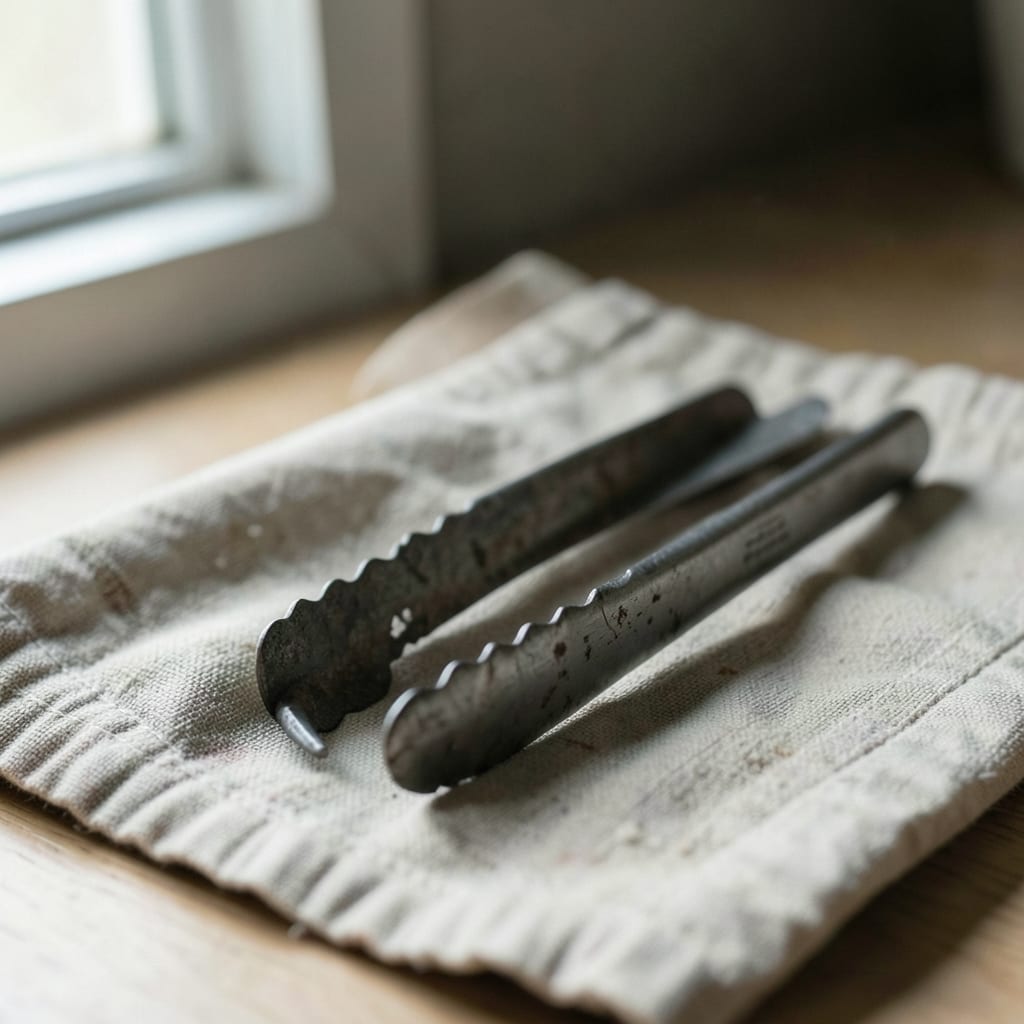
A cheap, unbranded pruning saw with a blade that’s lost half its teeth. It cost $8 at a hardware store and has been in use since 2020. The handle is splintering, and the teeth catch on branches more often than they cut.
It taught me that sometimes the right tool is the one that’s already there. I could’ve bought a new saw, but this one has taught me which branches to avoid—thick ones that’ll dull the blade, brittle ones that’ll snap it. Now, I listen for the sound of a struggling cut.
The stone marker
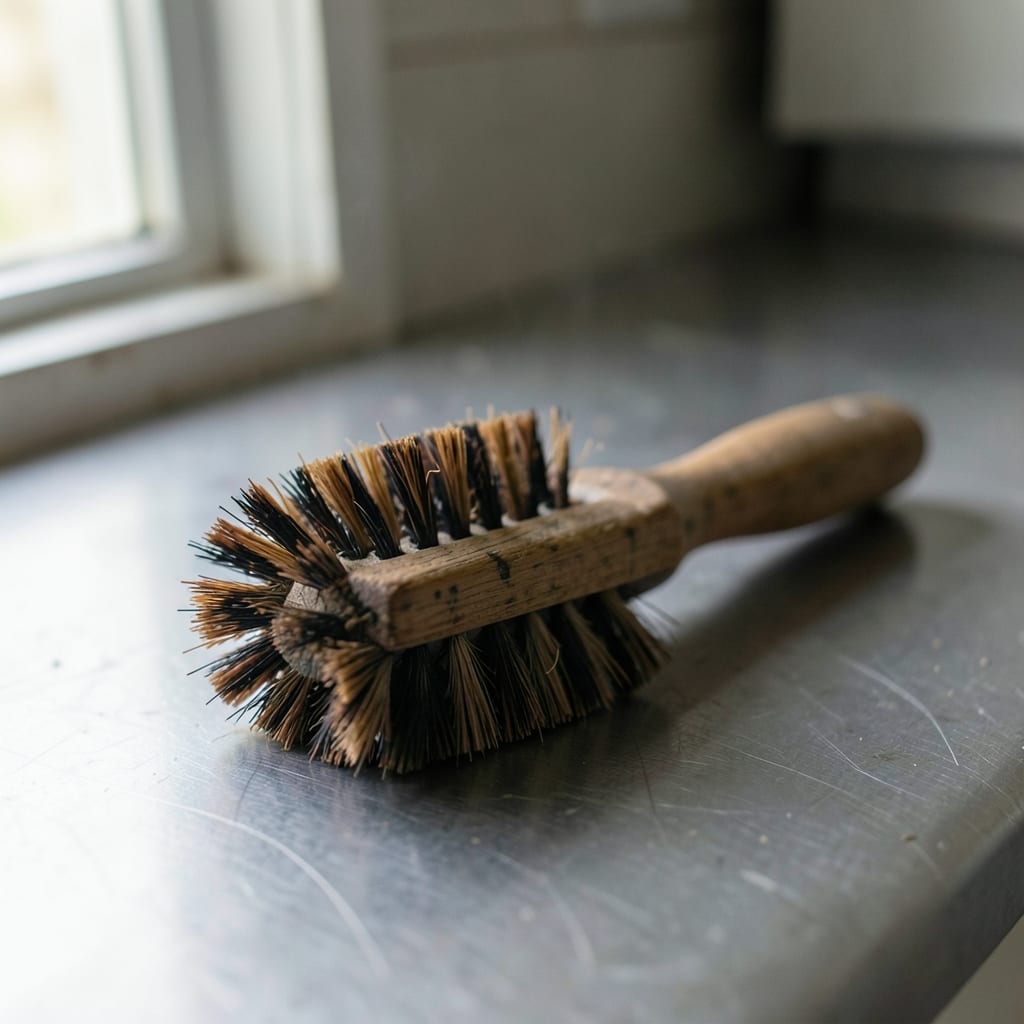
A river-worn slate stone, found in a creek bed years ago. It’s been repurposed as a plant marker, its rough edges smoothed by decades of water. The writing on it is illegible now, but the shape still holds a pencil line.
It taught me that markers don’t need to be permanent. The stone doesn’t tell me what’s planted—it just reminds me that some things are worth keeping, even when they’re no longer useful. Now, I see markers everywhere: a twig, a rock, a scrap of wood.
What is not in the drawer
This work does not depend on gadgets, certifications, or perfect conditions. What you’ll find here is built on what actually works—not what looks impressive.
Deliberately absent
- Digital soil sensors (they lie as often as they tell the truth)
- Brand-name seeds (heirlooms and saved seeds grow just as well)
- Expensive composters (a pile in the corner does the job)
- Perfectly leveled beds (slopes teach you more about drainage)
Behind the scenes

I am Bridget Sizemore, the founder and editor of *Plant Zone Guide*. I am the one who decides which tips make the cut, which photos stay, and which mistakes get turned into lessons.
I came to this from my grandfather’s greenhouse in rural Ohio, where I learned that plants don’t follow rules—they follow what’s already in the soil. He handed me the trowel before I could reach the shelf, and I’ve been digging ever since.
This work has given me a permanent ache in my left shoulder from carrying too many pots at once. I can no longer ignore a struggling plant in a neighbor’s yard, and I notice how every garden tells a story—even the ones that fail.
I am here to make gardening feel like less of a guess and more of a conversation. The advice you’ll find here is built on what I’ve learned, what I’ve broken, and what I’ve had to fix twice.
Why any of this matters to you
These things—the worn trowel, the cracked tray, the saw that won’t cut straight—are why the advice here feels real. They remind me that gardening is not about perfection; it’s about paying attention to what’s actually happening in the dirt.
When you read a tip here, you’re reading it through the lens of tools that have been used until they broke, soil that’s been tested until it told the truth, and hands that know the difference between a struggle and a mistake.
Every page here is built on what we’ve learned from the things that didn’t work. That means no vague timelines, no ‘best practices’ that ignore your actual yard, and no advice that sounds better in theory than it does in the soil.
The guides are grouped by category: Advice, Aphids, Blooming, Companion Plants, Container Gardens and Diseases.