
Planting
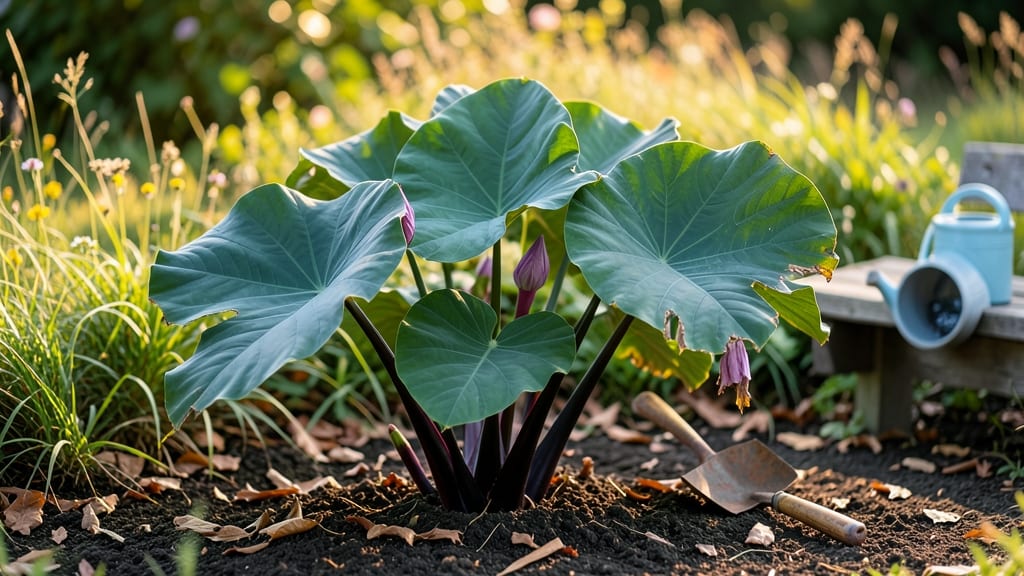
The ideal elephant ear zone spans USDA zones 8 through 11, where warm temperatures and high humidity create perfect growing conditions for these tropical plants. Varieties like Alocasia and Colocasia flourish in these zones, thriving with full sun to partial shade.
Elephant ear plants love warmth, and their best growth happens when daytime temperatures stay between 70°F and 90°F. 🌿 The humidity in these zones prevents their large leaves from drying out, which is key to keeping them vibrant.
If you're in a cooler zone, opt for hardier varieties like Colocasia esculenta—they can handle brief dips into the 50s°F with proper winter mulching, though their growth will slow dramatically outside their preferred range.
For those in marginal zones, microclimates matter—plant near foundations or under trees where soil stays warmer. I've found that even in zone 7, a south-facing spot with extra mulch can push these plants to produce stunning foliage for much of the summer.
💡 In This Article
- How Sunlight and Temperature Affect Elephant Ear Growth
- Top Elephant Ear Varieties for Different Climates
How sunlight and temperature affect elephant ear growth
Elephant ear plants rely on specific light conditions to trigger photosynthesis efficiently. These tropical beauties thrive under bright, indirect sunlight, which provides the ideal balance—too much direct sun causes leaf scorch, while too little results in weak, pale foliage.
The optimal light intensity sits around 50-70% shade, similar to conditions under a canopy of trees. This explains why they excel in zones 8-11, where morning sun and afternoon shade naturally occur.
The large leaves act like solar panels, but their thin, waxy coating means they can't handle the intense midday rays of full sun zones.
Temperature sensitivity is the real game-changer for elephant ears. Their ideal growth range is 70-90°F during the day, with nighttime temperatures never dropping below 60°F.
Below 55°F, metabolic processes slow dramatically, causing stunted growth or even leaf drop. 🌡️ The science here involves their tropical origins—these plants evolved in humid, warm climates where temperatures rarely fluctuate wildly.
In cooler zones, even brief exposure to 40°F can trigger dormancy, which is why winter mulching (adding 4-6 inches of organic matter) becomes essential to insulate roots.
Humidity plays a crucial role in leaf development. Elephant ears need air moisture levels above 50% to prevent their broad leaves from drying out and curling at the edges.
The large surface area of these leaves (some varieties reach 3 feet wide) means they lose moisture quickly in dry air. In zones 8-11, natural humidity from coastal breezes or afternoon thunderstorms keeps them thriving.
For gardeners in drier climates, I recommend misting leaves daily or placing plants on trays of pebbles with water—a simple hack that mimics their native environment.
Seasonal shifts create the most dramatic changes in elephant ear growth. In their native zones, they grow continuously through warm months, producing new leaves every 2-4 weeks.
When temperatures drop below 60°F for extended periods, they enter dormancy, which is why many gardeners treat them as annuals in cooler regions.
The key difference between tropical varieties (like Alocasia) and hardier types (like Colocasia) lies in their cold tolerance—tropical species shut down completely in cold, while Colocasia can survive light frosts with proper protection.
Light quality matters too—these plants prefer the blue spectrum (400-500nm wavelength) found in morning sunlight, which promotes healthy chlorophyll production. Artificial grow lights with a 6500K color temperature can supplement natural light in indoor setups, but they'll never match the vibrancy of outdoor-grown foliage.
The best approach? Place them near east-facing windows where they get gentle morning light without the harsh afternoon sun.
For maximum leaf size (some varieties reach 5 feet tall), combine these factors: bright indirect light, consistent warmth, and high humidity. The result? Stunning, glossy foliage that becomes the centerpiece of any garden. 💫