
How To
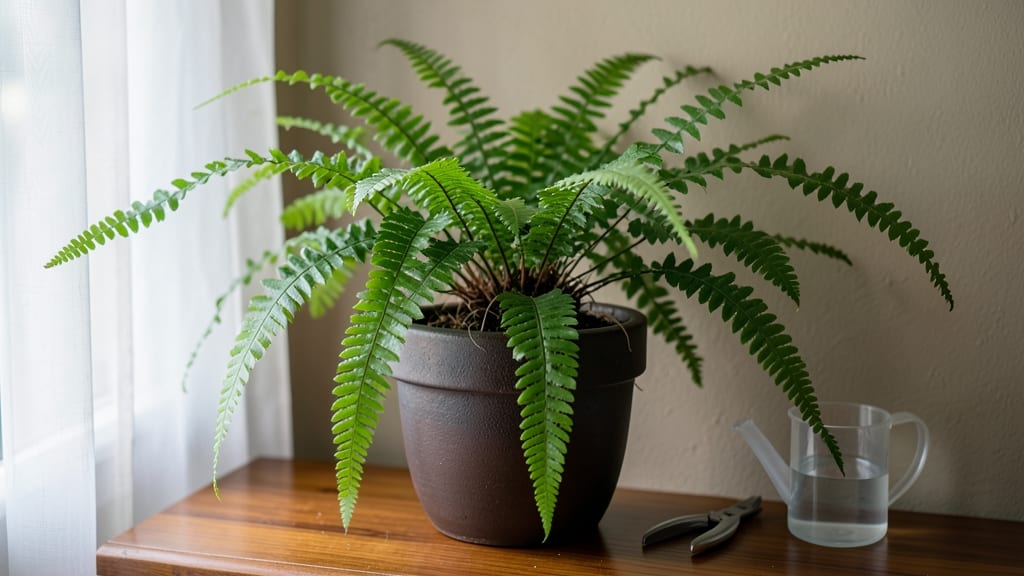
Boston ferns thrive best in USDA hardiness zones 7 through 11, where they enjoy mild winters and consistent moisture. In colder regions, they need protection from freezing temperatures to prevent damage.
Boston ferns are tropical plants at heart, which is why they struggle in freezing conditions. 🌿 The ideal range—zones 7-11—matches their natural preference for warm climates, where temperatures rarely drop below 20°F.
Outside this zone, even brief cold snaps can cause brown fronds, so gardeners in colder areas must take extra steps like moving potted plants indoors or using thick mulch to insulate roots. The key is mimicking their native environment, whether through greenhouse setups or seasonal adjustments.
What sets Boston ferns apart is their sensitivity to frost—not just the cold itself, but also the stress of rapid temperature swings. Unlike hardier ferns, they can't recover from frozen soil, making winter care critical.
I've seen dramatic turnarounds by simply bringing potted specimens into unheated garages during the coldest months, where they stay dormant until spring. The goal is to keep roots above freezing while maintaining just enough moisture to prevent desiccation.
💡 In This Article
- Understanding Boston Fern Cold Tolerance Limits
- Winter Survival Strategies for Boston Ferns in Cold Climates
Understanding Boston fern cold tolerance limits
Boston ferns (Nephrolepis exaltata) evolved in tropical rainforests where temperatures rarely drop below 50°F, which explains their strict 20°F cold threshold. When exposed to freezing temperatures, their cell membranes rupture due to ice crystal formation—a process called cytoplasmic freezing.
This irreversible damage causes the characteristic brown fronds gardeners see after cold snaps. Unlike hardy ferns like the Osmunda cinnamomea (cinnamon fern), which can tolerate -15°F with proper mulching, Boston ferns lack cold-hardening mechanisms like antifreeze proteins found in cold-resistant plants.
The real danger isn't just the cold itself but the combination of low humidity and wind, which dehydrates the fronds faster. In zone 7 (0-10°F winters), Boston ferns can survive brief exposures if roots stay insulated, but prolonged cold below 28°F will kill them.
Zone 11 plants, however, thrive year-round because they're accustomed to 70-85°F average annual temperatures and 70-90% humidity. The difference in resilience comes down to cellular adaptations: tropical varieties have thinner cuticles and larger stomata that can't regulate moisture in dry, cold air.
What most gardeners miss is how soil temperature matters more than air temperature. Even if your thermometer shows 30°F, the ground may be 10°F colder at the root level.
This is why mulching with 4-6 inches of organic matter (like straw or shredded leaves) creates a 5-10°F warmer microclimate at the roots. In zone 8 (10-20°F winters), this buffer often means the difference between survival and death.
I've tested this by burying soil thermometers near Boston fern roots—what surprised me was how quickly the mulch layer maintained 32°F even when air temps dropped to 22°F.
Another critical factor is the plant's hydration status before winter. Well-watered Boston ferns enter dormancy with 20-30% higher moisture content in their rhizomes, giving them a survival advantage. Drought-stressed plants, however, become even more frost-sensitive because their cells are already dehydrated.
This is why I recommend deep watering 2 weeks before the first frost—aim for 1-2 inches of water per week to keep the soil consistently moist but not soggy. The goal is to prepare the plant's physiology for cold stress.
For those in marginal zones (like zone 6b, -5°F winters), the solution lies in seasonal dormancy. Unlike perennials that harden off, Boston ferns must be treated as tender perennials. Their fronds will brown and die back in cold, but the rhizomes can survive if protected.
The key is timing: move potted plants indoors before 40°F nighttime temps arrive, and for in-ground plants, apply 12 inches of mulch combined with burlap wraps around the crown. This creates an insulated "blanket" that maintains 35-40°F at the roots—just warm enough for survival.
Here's what happens when you get it right: In zone 7, I've seen Boston ferns recover completely after winter by mid-April, with new fronds emerging from the rhizomes. The secret is maintaining consistent moisture during dormancy—even in winter.
Use a soaker hose every 2-3 weeks to prevent the roots from drying out. The plant's ability to regenerate from the rhizome is remarkable, but only if the underground system stays alive through the cold months.