
Shrubs
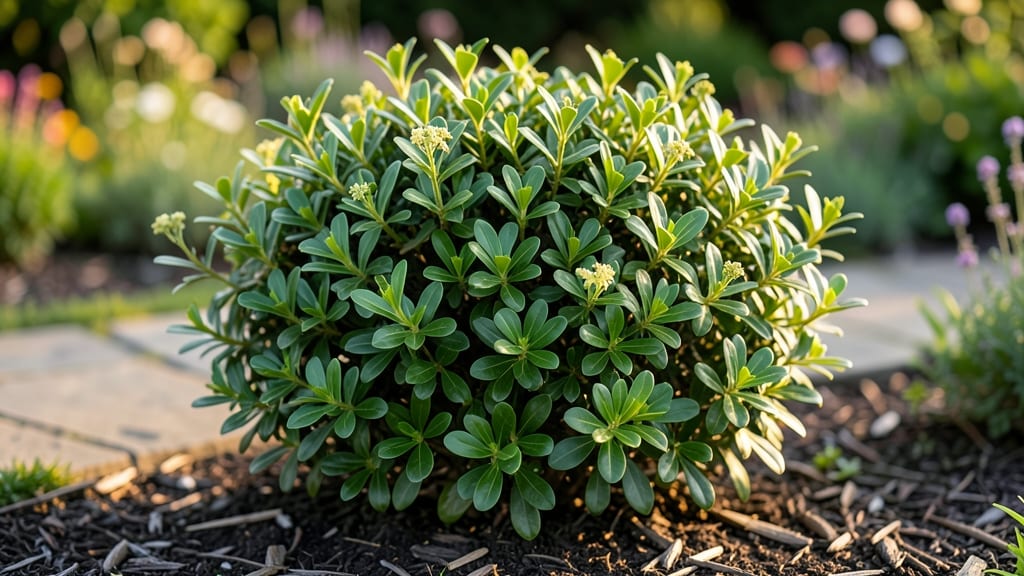
Boxwoods in Zone 4 need late-winter pruning after frost and winter protection like mulching and windbreaks to survive harsh cold and prevent drying. Always use sharp shears and avoid over-trimming to keep plants healthy.
Late-winter pruning works best because boxwoods are dormant, reducing stress and preventing winter injury from fresh cuts. 🌿 The key is timing—wait until after the worst frosts but before new growth starts, usually between late February and early March.
For winter protection, focus on mulching with 2-3 inches of organic material like shredded leaves or straw, which insulates roots while retaining moisture. Young boxwoods benefit most from burlap wraps or temporary windbreaks to shield them from drying winds.
Established plants still need protection, especially in exposed areas where winter desiccation is common. Always use clean, sharp tools to make precise cuts—dull blades crush stems, inviting disease. And remember: never prune in late summer or fall, as this encourages tender new growth that won't survive Zone 4 winters.
💡 In This Article
- When and How to Prune Boxwoods in Zone 4
- Winter Protection Strategies for Zone 4 Boxwoods
When and how to prune boxwoods in Zone 4
Late-winter pruning is critical for Zone 4 boxwoods because their dormant state minimizes stress and bleeding (the sap loss that weakens plants). The ideal timing occurs after the hardest frosts—typically between late February and early March—when temperatures consistently stay above 20°F for at least a week.
This timing avoids exposing fresh cuts to late-season freezes, which can kill tender new growth. Pruning too early risks winter injury, while waiting too long encourages early budding that won't survive Zone 4's unpredictable spring frosts.
Start by removing dead, diseased, or crossing branches first. Dead wood appears brittle with no green inside when snapped, while crossing branches compete for sunlight and weaken the plant.
Use bypass pruners (not anvil shears) to make clean cuts at a 45-degree angle, just above a leaf bud or lateral branch.
For shaping, avoid removing more than 25% of the foliage in one season—this prevents shock. 🌿 The goal is to maintain the plant's natural form while encouraging dense, bushy growth from the base.
For rejuvenating overgrown boxwoods, employ the "crown lift" technique: gradually raise the center by cutting back older branches to 6-12 inches from the ground over 2-3 years. This stimulates new growth from lower buds while preserving the plant's height.
Always sterilize tools with 70% isopropyl alcohol between cuts to prevent bacterial spread. The science here is simple: boxwoods heal faster in cooler temperatures, and precise cuts reduce entry points for pests and diseases.
Never prune in late summer or fall—this triggers tender new growth that won't harden off before winter. In Zone 4, where winter temperatures can plunge to -20°F, even slight regrowth is vulnerable to cold damage.
Instead, focus on late-winter shaping when the plant's energy is conserved, and cuts heal efficiently. The result? A stronger, more resilient shrub that thrives through harsh winters and blooms beautifully in spring.
Pro tip: Prune on a dry, overcast day to reduce stress from sun exposure. The cooler temperatures and diffused light help the plant recover faster.
For large-scale pruning, consider dividing the task into two sessions spaced 2 weeks apart—this gives the plant time to adjust to each round of cuts without overwhelming it.
What most gardeners overlook is the importance of leaf color when pruning. Healthy boxwood leaves are deep green and leathery, while stressed leaves may appear yellow or brown. Prune only when you see at least 50% healthy foliage—this ensures the plant retains enough energy for recovery. 💫