
Trees
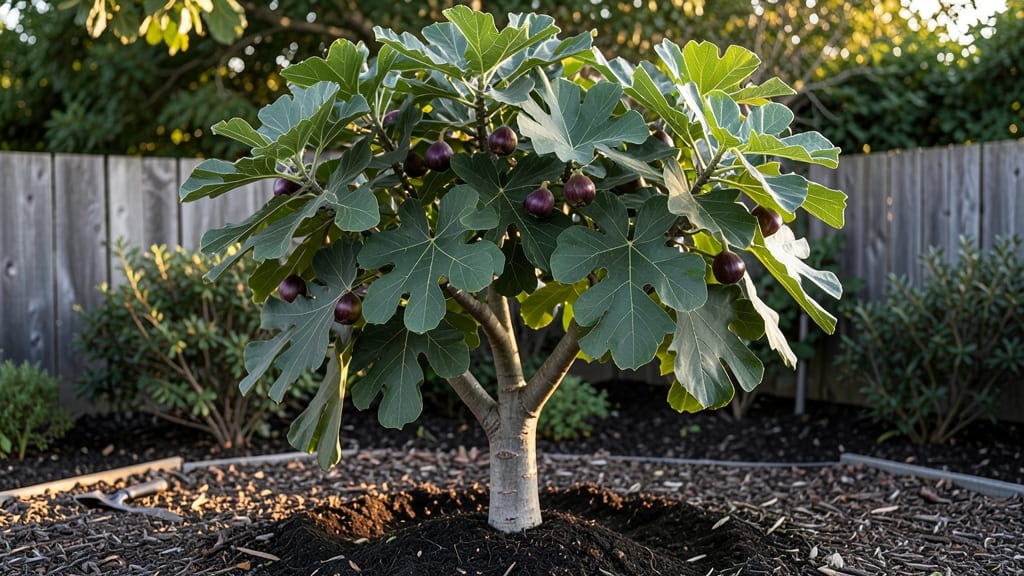
The Brown Turkey fig tree thrives in USDA Zones 7-11, making it one of the most cold-hardy varieties. Plant in early spring after the last frost in Zones 7-9, or container-grow in colder regions for winter protection. Mulching and microclimate selection further extend its hardiness.
The Brown Turkey fig stands out because it can handle colder winters compared to most fig varieties, thanks to its natural dormancy cycle. 🌳 Unlike tropical figs that struggle below Zone 8, this type drops leaves in winter and regrows in spring, giving it a survival edge.
I’ve seen gardeners in Zone 7 successfully grow them by planting against south-facing walls or using thick mulch layers—small tweaks that make a big difference.
For those in Zones 10-11, the real advantage is year-round productivity without winter stress. The tree’s ability to adapt to different climates while still producing sweet, flavorful fruit makes it a favorite among home growers.
Just remember: the key to pushing its limits lies in proper site selection and seasonal care adjustments.
💡 In This Article
- USDA Zone Hardiness Map for Brown Turkey Figs
- Best Planting and Care Tips by USDA Zone
USDA Zone hardiness map for Brown Turkey figs
The Brown Turkey fig earns its reputation for cold tolerance through a clever biological adaptation called dormancy. Unlike tropical figs that remain active year-round, this variety enters a semi-dormant state when temperatures drop below 20°F.
During winter, its leaves fall to conserve energy, while the roots and trunk remain insulated beneath the soil. This natural survival mechanism allows it to withstand brief cold snaps down to -10°F with proper protection, a stark contrast to varieties like Celestial, which typically struggle below 15°F.
What makes this fig unique is its root system's ability to insulate. The roots grow deep and spread wide, creating a natural buffer against temperature fluctuations.
In Zone 7, where winter lows can hit 0°F, gardeners often see success by planting near south-facing walls or using thick mulch layers (at least 4-6 inches of straw or wood chips) to mimic this insulation.
The tree’s bark also thickens over time, adding another layer of protection against frost damage. 🌡️
Microclimates play a crucial role in extending the Brown Turkey’s hardiness. Even in Zone 6, where official USDA guidelines suggest it’s marginal, I’ve seen it thrive in sheltered spots like against brick walls or beneath evergreen trees.
These locations trap heat during the day and release it slowly at night, creating a 5-10°F warmer environment than the surrounding area. Windbreaks also help by reducing desiccating winds that can damage tender new growth in early spring.
Comparing it to other cold-hardy varieties like Chicago Hardy, the Brown Turkey has a slight edge in fruit production consistency. While Chicago Hardy might produce more reliably in Zone 5 with heavy winter protection, Brown Turkey delivers sweeter, larger fruit with less fuss in Zones 7-9.
The trade-off? Chicago Hardy can handle slightly colder snaps (-15°F with protection) but often requires more aggressive winter wrapping. For most gardeners, the Brown Turkey offers the best balance of hardiness and productivity.
Here’s how the zones break down in practice:
- Zones 10-11: Plant anytime with minimal winter care—focus on summer heat protection
- Zones 8-9: Spring planting after last frost (March-April) with 3-4 inches of mulch
- Zones 7: Plant in early spring with 6+ inches of mulch and south-facing protection
- Zones 6 (experimental): Container growing with winter indoor storage (40°F+)
The secret to pushing this fig’s limits lies in understanding its cold acclimation period. After the first hard frost (when temperatures drop to 30-35°F), the tree begins preparing for winter by reducing leaf activity. This 4-6 week transition is critical—rushing winter protection before this period can stress the plant. Gardeners in marginal zones often make the mistake of wrapping trees too early, trapping moisture and causing rot.