
Planting
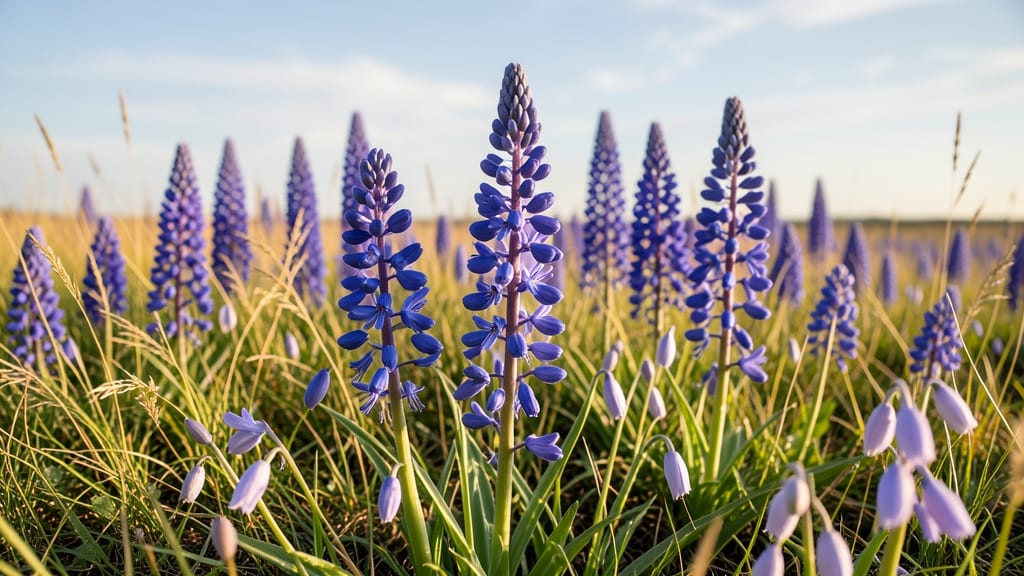
Spring in Zone 7 means vibrant blooms that multiply yearly with minimal effort. These 10 spring bulbs deliver show-stopping color, drought resistance, and perennial reliability—perfect for gardeners who want low-maintenance beauty that comes back stronger every season.
Daffodils For Early Season Sunshine
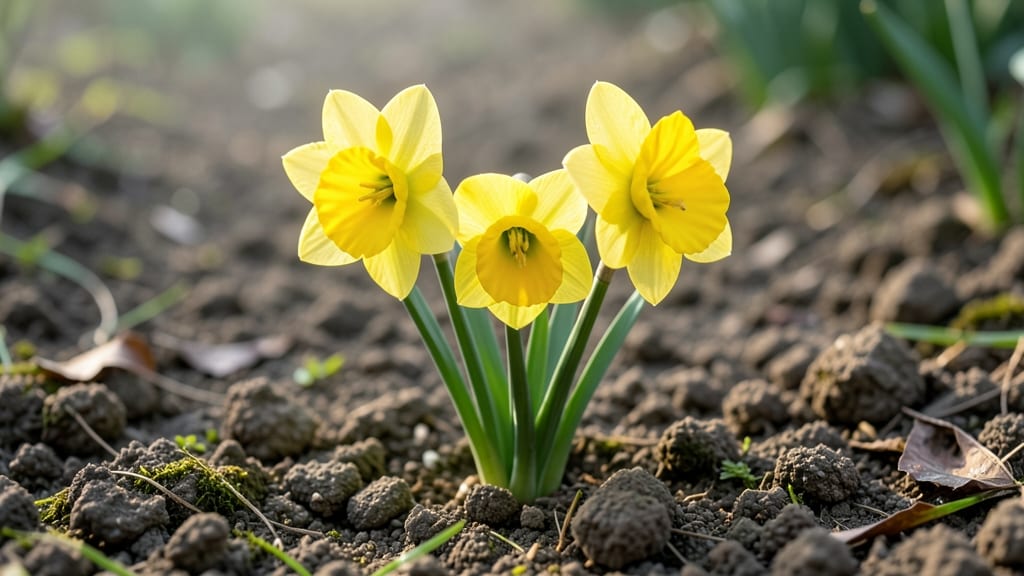
When winter finally loosens its grip in Zone 7, nothing announces spring’s arrival like daffodils bursting through the soil with their bright yellow trumpets. These cheerful bloomers are the unsung heroes of early-season gardens, offering both beauty and practical benefits like deer and squirrel deterrence—a win for both your landscape and your peace of mind.
Plant daffodil bulbs in fall (October-November) for February-March blooms, and choose sunny spots along borders or in meadows where they’ll naturalize effortlessly. Their toxic foliage keeps hungry critters away, while their low-maintenance nature makes them ideal for beginners or busy gardeners. Just ensure they get well-draining soil to prevent rot—once established, they’ll thrive for years with minimal care.
Perfect for sunny borders, cottage gardens, or wildflower meadows, daffodils bring instant joy and color when other plants are still dormant. 🌻
Tulips For Bold Color Variety
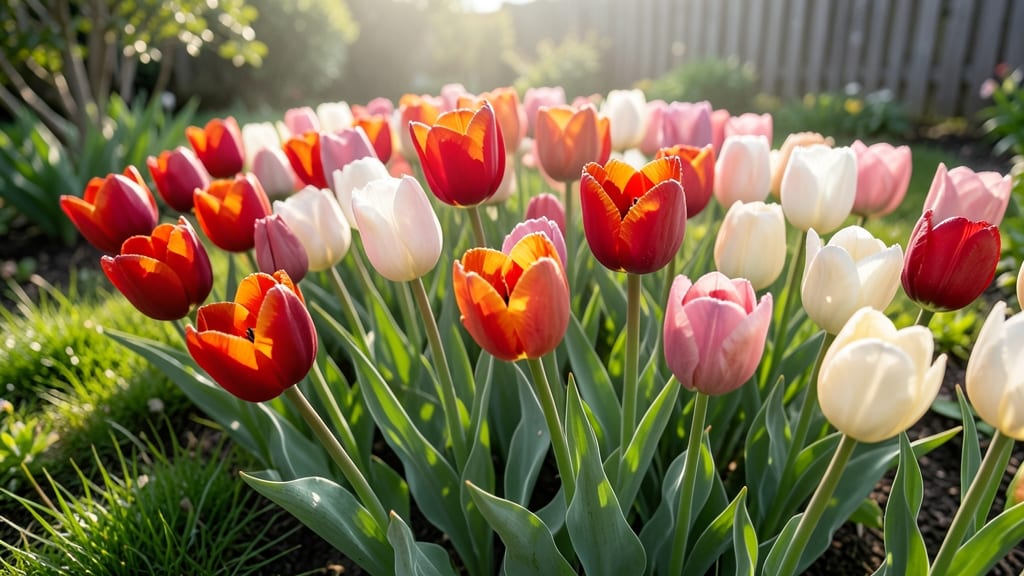
Want to transform your spring garden into a vibrant, long-lasting display with minimal effort? Tulips offer over 150 varieties—from bold reds to soft pinks and elegant whites—each with unique shapes and sizes that bring drama to any space.
These classic bulbs thrive in Zone 7's mild climate and are perfect for cutting gardens or containers, though taller varieties (like 'Darwin Hybrid' tulips) need staking to prevent flopping in wind or rain. Plant them 6-8 inches deep in fall for spring blooms, and enjoy their bold colors from late April through early June. For containers, choose smaller varieties like 'Tulip 'Apeldoorn' to avoid overcrowding.
Urban gardeners and small-space lovers will appreciate how tulips brighten patios and balconies with their striking hues. Just remember: deadhead spent blooms to encourage stronger growth next year! 🌻
Alliums For Dramatic Purple Spires
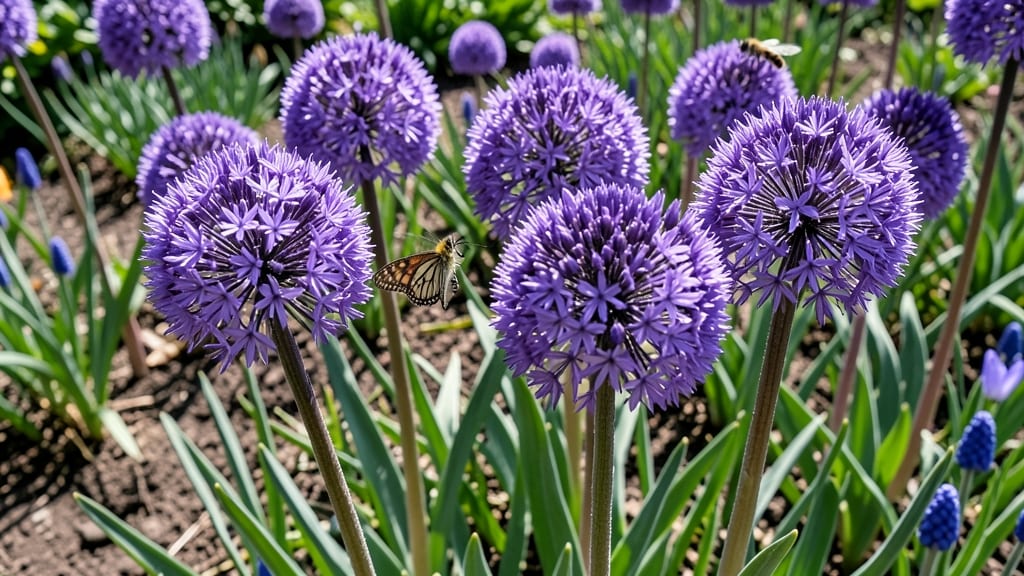
Want to add instant height and drama to your Zone 7 garden while supporting local pollinators? Alliums are your secret weapon—these globe-shaped blooms create striking purple spires that tower over other spring flowers, drawing bees and butterflies with their abundant nectar.
Plant allium bulbs in fall (October-November) for spring blooms that thrive in full sun and well-drained soil. Varieties like Allium giganteum (giant allium) reach 5 feet tall, while Allium schubertii offers smaller, dense clusters. Once established, they're drought-tolerant and multiply yearly, creating naturalized drifts that bloom from late spring through summer.
Perfect for cutting gardens, cottage-style beds, or as focal points in containers, alliums bring vertical interest without the fuss of staking. Urban gardeners will love how they thrive in small spaces and attract pollinators early in the season. 🌟
Hyacinths For Fragrant Spring Perfume
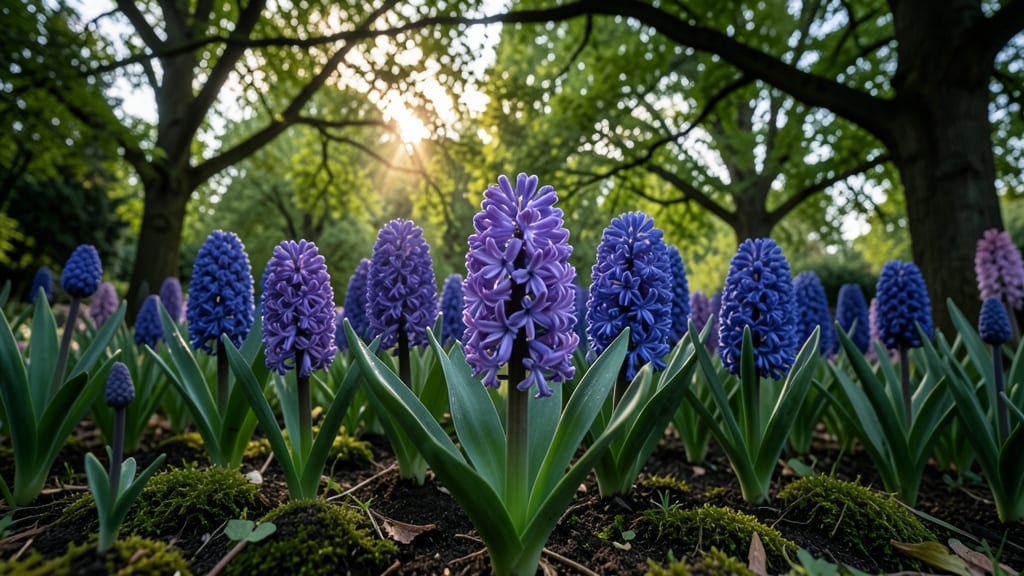
Want to fill your shaded garden spots with intoxicating fragrance that returns year after year? Hyacinths are the secret weapon for under trees and north-facing beds where other bulbs refuse to thrive. Their dense, sweetly scented clusters (think jasmine meets spring rain) create a natural perfume that fills the air when little else is blooming.
Plant these shade-loving bulbs in fall, about 6 inches deep and 4-6 inches apart, in well-draining soil. They’ll reward you with 3-4 weeks of fragrance in early spring—just when you need that seasonal lift. Choose from classic purple, pink, or white varieties, or go for rare 'Blue Jacket' for a striking contrast. Unlike tulips, hyacinths multiply naturally over time, creating lush colonies that spread gracefully.
This is the perfect bulb for gardeners who love fragrance but struggle with sun-starved areas. Urban gardeners with patios or small yards will especially appreciate how they brighten shady corners without requiring extra care. 🌷
Crocus For Early Pollinator Support
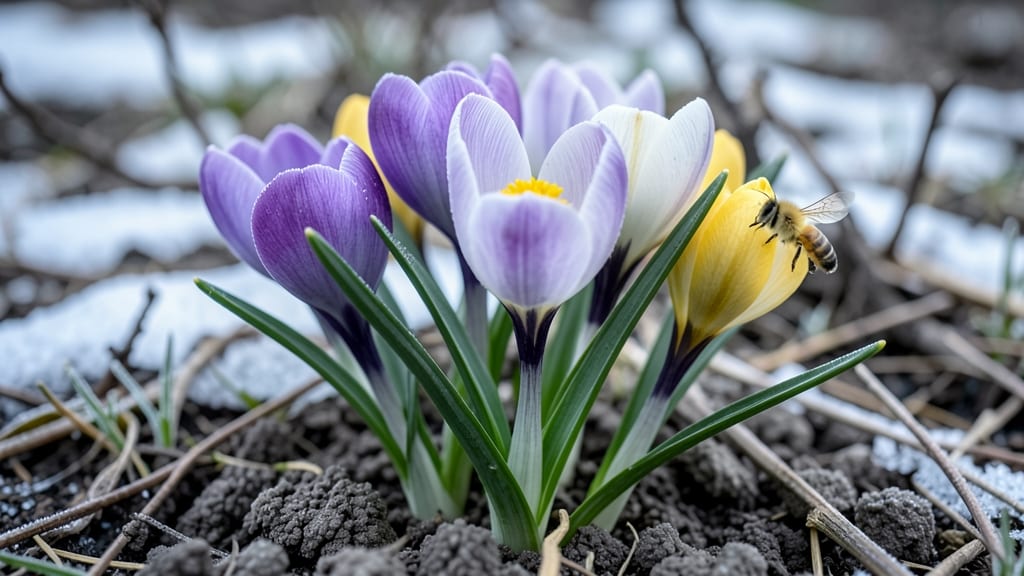
When bees wake up from winter dormancy in late February, crocus are often the first flowers ready to feed them. These tiny but mighty blooms push through snow or bare soil, offering nectar when few other plants are available—making them essential for early pollinator support.
Plant crocus bulbs in fall (October-November) at a depth of 3-4 inches in well-draining soil with full sun to partial shade. Their vibrant colors—purple, white, and yellow—add cheerful pops to winter landscapes, and they naturalize beautifully in lawns or rock gardens. Since they multiply over time, you’ll get more blooms each year with minimal effort.
Perfect for gardeners who want to support pollinators early in the season, crocus also thrive in containers, making them ideal for small spaces or urban balconies. 🌻
Fritillaria For Checkered Beauty
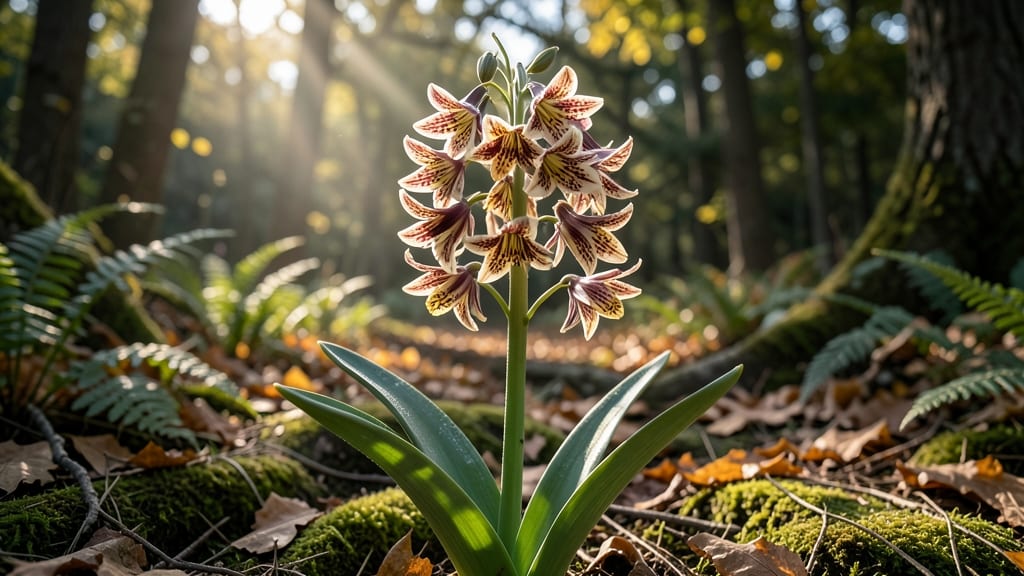
If you're dreaming of a woodland garden with an artistic twist, fritillaria delivers the perfect blend of whimsy and wild beauty. These bulbs produce delicate, checkered bell-shaped flowers that resemble hand-painted porcelain—each bloom is a unique masterpiece.
Plant fritillaria imperialis (crown imperial) or fritillaria meleagris (snake’s head fritillary) in partial shade with well-draining soil, mimicking their native woodland habitats. They naturalize beautifully over time, spreading slowly to create year-round interest—even when not in bloom, their grass-like foliage adds texture. The orange-and-white checkered pattern of meleagris is especially striking against spring greenery.
Perfect for gardeners who love unexpected color and low-maintenance perennials, fritillaria thrives where other bulbs struggle. Just avoid soggy soil, and you’ll have decades of effortless charm. ✨
Muscari For Graceful Grape Hyacinths
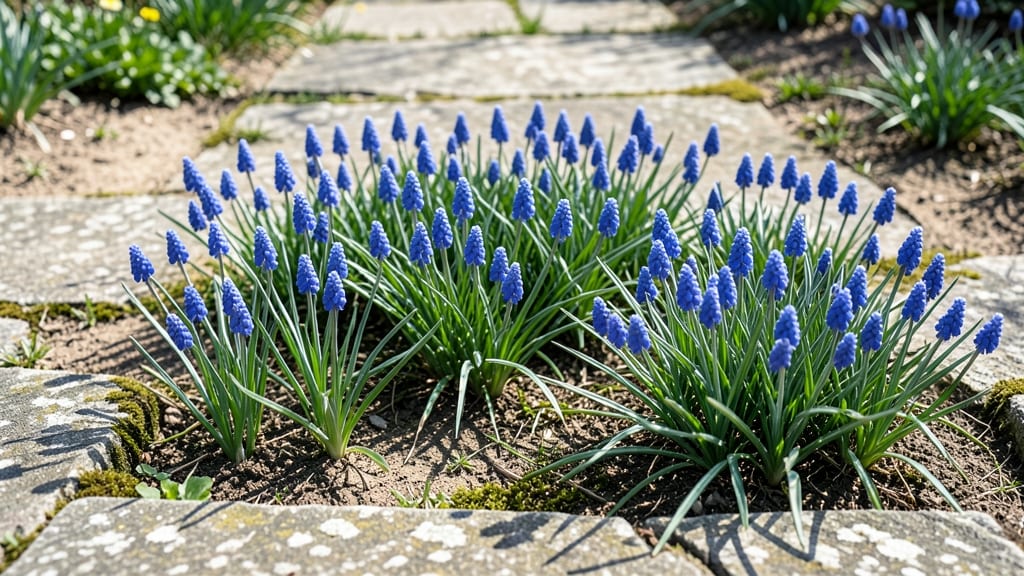
Tired of bare spots between your stepping stones or along pathways? Muscari, or grape hyacinths, are the secret weapon for filling those gaps with vibrant blue spikes that multiply faster than weeds. These compact bulbs thrive in tight spaces, spreading aggressively to create lush, low-maintenance ground cover.
Plant muscari 3-4 inches deep in fall (October-November) for early spring blooms that appear before most perennials. They love full sun to partial shade and well-draining soil, making them perfect for rocky areas or between pavers. Once established, they’ll naturalize beautifully, requiring no division for years.
Urban gardeners and small-space planners will love how muscari transforms dull pathways into a sea of blue. Their drought tolerance and deer resistance make them a carefree choice for high-traffic areas. 💚
Bleeding Heart For Shade Gardens
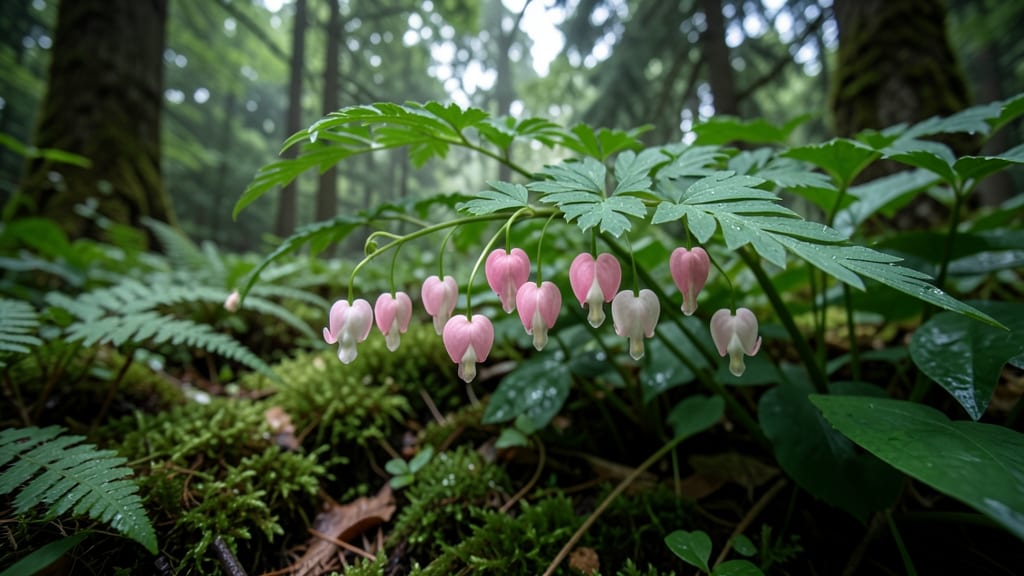
If your garden has shady spots where most bulbs refuse to thrive, bleeding heart (Dicentra spectabilis) is your secret weapon. This moisture-loving perennial produces delicate, heart-shaped pink or white flowers that dangle like tiny lanterns from arching stems, creating a dreamy woodland effect.
Unlike traditional spring bulbs, bleeding heart thrives in partial to full shade and prefers well-draining, consistently moist soil. Plant the tuberous roots 1-2 inches deep in early fall or spring, spacing them 12-18 inches apart—they’ll spread over time but stay contained. For best results, mulch with organic matter to retain moisture and protect roots in winter.
Perfect for woodland gardens, understory planting, or near ponds, bleeding heart adds vertical interest and soft texture that brightens shady corners. It’s especially rewarding for gardeners who want long-blooming color (April-June) with minimal fuss. 🌿
Snowdrops For Winter Interest
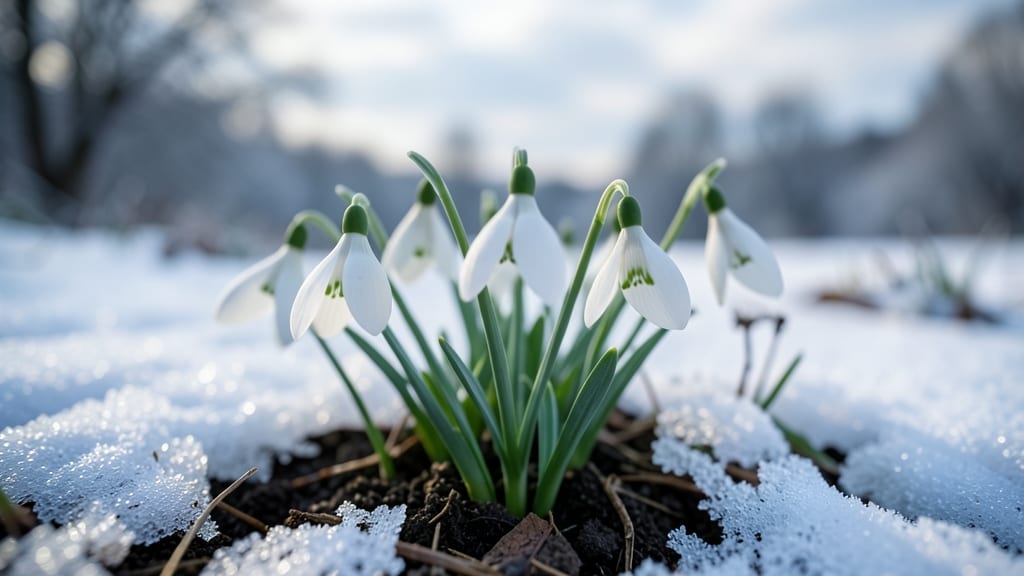
When winter feels endless, snowdrops (Galanthus) defy the cold with their delicate white blooms, often emerging even when snow still blankets the ground. These hardy perennials are nature’s way of announcing spring’s arrival—making them perfect for adding early color to container gardens or winter landscapes.
Plant snowdrop bulbs in fall (October–November) at a depth of 3–4 inches in well-draining soil, where they’ll naturalize over time. They thrive in partial to full shade, making them ideal for under trees or along north-facing foundations. Unlike many bulbs, snowdrops multiply aggressively, creating lush drifts of blooms with minimal care—just water sparingly after planting and avoid disturbing their roots.
Urban gardeners and small-space enthusiasts will love their versatility: they brighten patios in containers, line walkways, or soften winter borders. Their deer-resistant nature and year-round foliage (though less showy) make them a low-maintenance staple for any Zone 7 garden. 🌱
Camassia For Wildflower Meadows

Transform your open spaces into a wildflower meadow with camassia, also called wild hyacinth. These striking 3-5 foot tall spikes create a natural, prairie-like look that thrives in full sun and requires almost no care after establishment.
Plant bulbs 6 inches deep in fall for spring blooms that last 3-4 weeks, producing dense clusters of purple, white, or blue flowers. Unlike many bulbs, camassia handles drought conditions once roots are established, making it ideal for rain gardens or dry borders. They multiply aggressively, creating lush meadows over time.
Perfect for gardeners with large sunny areas who want to reduce watering and maintenance. Let camassia spread naturally for a low-effort, high-impact display that attracts pollinators. 🌻