
Container Gardens
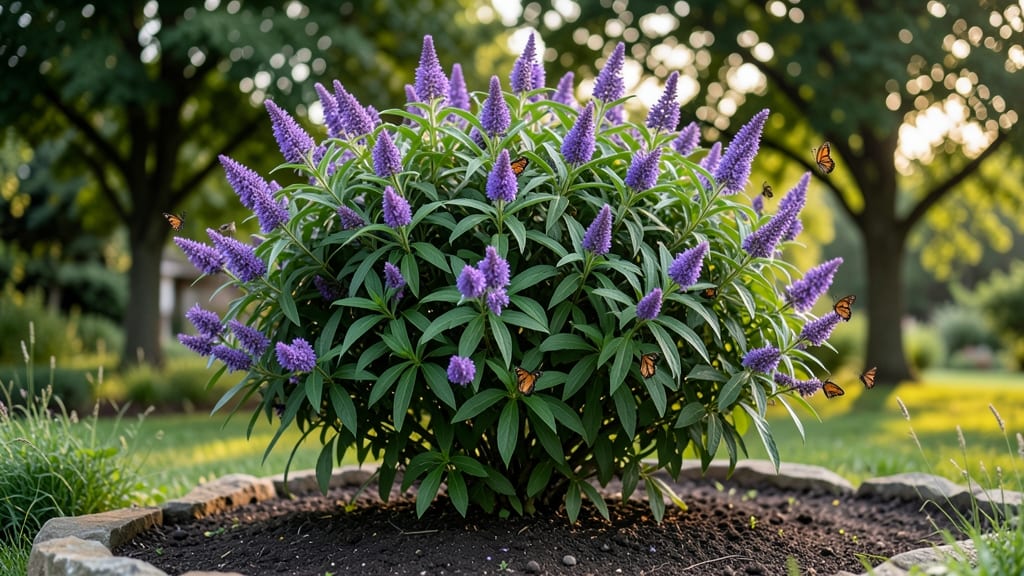
Growing butterfly bush thrives in USDA zones 5-9—wherever you fall in that range, this fast-growing shrub will reward you with vibrant blooms and fluttering wings. 🌿 I’ve grown them from Minnesota to Texas, and the key to success lies in understanding how your specific zone affects watering, pruning, and winter prep.
The right approach means fewer dead branches and more butterflies in your yard.
In colder zones (5-6), butterfly bushes need winter protection—mulching thickly around the base and wrapping young plants in burlap. Southern zones (7-9) demand shade cloth in peak summer to prevent leaf scorch, while northern growers should prune back by ⅓ in early spring to encourage fresh growth.
The plant’s adaptability makes it a standout, but zone-specific tweaks keep it thriving year after year.
What you’ll end up with is a low-maintenance shrub that bursts with purple, pink, or white blooms from mid-summer to frost. Butterflies can’t resist it, and your neighbors will envy the effortless curb appeal.
The best part? Minimal pruning keeps it manageable—just a few cuts in spring and fall to control size and shape.
Works equally well in borders, containers, or as a privacy screen, adapting to your zone’s climate quirks. Whether you’re in a snowy zone or a hot one, this bush delivers beauty with almost no fuss. Let’s get yours growing!
📚 In This Guide
- What you need
- Instructions
- Tips and common mistakes
- Wrapping up and next steps
What you need
- ● Butterfly bush plant: 1-3 nursery-grown plants (choose dwarf varieties like ‘Lo & Behold®’ for containers or standard varieties for garden beds).
- ● Well-draining potting mix: 5-10 gallons (for containers) or loamy, slightly alkaline soil (pH 6.0-7.5) for in-ground planting.
- ● Container (if applicable): 5-gallon pot for dwarf varieties.
- ● 15+ gallon pot for standard varieties (ensure drainage holes!).
- ● Organic mulch: 2-3 inches of shredded bark or pine straw (to retain moisture and suppress weeds).
- ● Slow-release fertilizer: 10-10-10 or balanced organic fertilizer (apply at planting and mid-season).
- ● Pruning shears: Sharp, sterilized shears (for shaping and minimal pruning).
- ● Watering can or hose with nozzle: For gentle, deep watering (avoid soggy soil!).
- ● Soil amendments: Perlite or sand (to improve drainage in heavy clay soils).
- ● Stakes or supports: For tall varieties in windy areas.
- ● Butterfly-friendly companion plants: Coneflowers, milkweed, or salvia (to attract more pollinators!).
- ● Epsom salt: A sprinkle (1 tbsp per plant) can boost magnesium for vibrant blooms.
- ● Container saucers: For catching runoff and preventing root rot.
How to plant and care for butterfly bush in USDA zones 5-9
Here's how I've grown thriving butterfly bushes for years—minimal fuss, maximum blooms.
🌱 Step 1: Choose the Right Planting Location
Butterfly bushes love full sun—plant in a spot with at least 6-8 hours of direct sunlight daily. I always pick the sunniest corner of my yard because these plants reward bold light exposure with nonstop blooms. In hotter zones (8-9), provide afternoon shade to prevent leaf scorch during peak summer heat.
Check your soil's drainage before planting. Butterfly bushes hate soggy roots, so if your yard stays wet, amend the area with 2-3 inches of compost mixed into the top 12 inches of soil. You'll know you've got good drainage when water drains through the soil in 1-2 hours after watering.
🪴 Step 2: Plant at the Right Depth and Spacing
Dig a hole twice as wide as the root ball but only as deep as the container. This prevents burying the plant too deep, which can cause root rot. Gently loosen the roots if they're circling in the container—this encourages outward growth. Place the plant in the hole and backfill with native soil, tamping lightly every 2 inches to eliminate air pockets.
Space plants 6-10 feet apart depending on your variety. Dwarf types like 'Fast Track' need only 4-5 feet of space, while standard varieties should have 8-10 feet between them. You'll see why this spacing matters when the plants mature—they get wide and bushy!
☀️ Step 3: Water Deeply and Mulch Properly
Water immediately after planting to settle the soil around roots. Give the plant 1-2 gallons of water to encourage root growth. After that, water 1-2 times per week during the first growing season, providing 1 inch of water per week. You'll know it's enough when the top 2 inches of soil feel moist but not soggy.
Spread 2-3 inches of mulch around the base, keeping it 2 inches away from the stem to prevent rot. I use shredded hardwood mulch because it breaks down slowly and improves soil over time. This mulch layer also helps maintain even soil moisture and keeps weeds at bay.
✂️ Step 4: Prune Strategically for Best Growth
Wait until late winter or early spring to prune—just before new growth begins. Cut back the previous year's growth by 1/3 to 1/2 to encourage bushier growth. I always make clean cuts just above a set of buds or leaves. This pruning also removes dead or weak stems, making room for fresh, vigorous growth.
For flowering, prune again after the first flush of blooms in early summer. Cut back the stems by 1/3 to promote a second round of flowers. Avoid heavy pruning in fall—this can stimulate tender new growth that won't survive winter in colder zones.
🌿 Step 5: Monitor and Maintain for Long-Term Health
Watch for signs of pests like aphids or spider mites. If you see sticky residue on leaves or tiny webs, treat with a strong spray of water or insecticidal soap. Butterfly bushes are generally tough, but these pests can weaken the plant if left unchecked. I check mine weekly during growing season to catch issues early.
Fertilize lightly in spring with a 10-10-10 balanced fertilizer to encourage healthy growth. Too much fertilizer can lead to excessive foliage at the expense of flowers, so I stick to the recommended amount. You'll know you're doing well when your bush is covered in blooms from early summer through fall!
Tips & tricks for thriving butterfly bushes in USDA zones 5-9
A few simple tricks will help you avoid common pitfalls and ensure your butterfly bush thrives with minimal effort.
Sunlight Strategy: In Step 1, when selecting your planting spot, remember that "6-8 hours of direct sunlight" means morning sun plus afternoon sun—don't count shaded hours. I've seen gardeners place bushes under large trees that only get 4 hours of morning light, and the plants struggle. For zones 8-9, that afternoon shade is crucial to prevent leaf scorch during peak summer heat.
Soil Test Tip: Before amending your soil with the recommended 2-3 inches of compost in Step 1, do a simple drainage test. Fill a can with water, pour it into the planting hole, and time how long it takes to drain. If it takes longer than 1-2 hours, you definitely need that compost amendment. This prevents the soggy roots that kill butterfly bushes.
Pruning Precision: When you're ready for Step 4's late winter pruning, cut back by 1/3 to 1/2 of the previous year's growth—but don't just hack randomly. Look for outward-facing buds when making your cuts. These buds will grow into stronger branches that support more blooms. I always prune on a dry day to reduce disease risk from wet cuts.
Watering Wisdom: The 1-2 gallons of water in Step 3 should go directly to the root zone, not the leaves. Water slowly to let it soak in rather than running off. I use a soaker hose for the first week after planting to ensure those roots establish properly. Overwatering is just as bad as underwatering—your soil should stay moist but never soggy.
Pro Tips for Butterfly Bush Growing Zones
- A few simple tricks will help you avoid common pitfalls and ensure your butterfly bush thrives with minimal effort.
- Sunlight Strategy: In Step 1, when selecting your planting spot, remember that "6-8 hours of direct sunlight" means morning sun plus afternoon sun—don't count shaded hours.
- Soil Test Tip: Before amending your soil with the recommended 2-3 inches of compost in Step 1, do a simple drainage test.
Frequently asked questions
Got questions about growing butterfly bushes in your zone?
Here are answers to the most common ones—whether you're a beginner or a seasoned gardener looking to refine your approach.
What are the best USDA growing zones for butterfly bushes?
Butterfly bushes thrive in USDA Zones 5-9, making them versatile for most U.S. climates. In colder zones (5-6), opt for hardier varieties like Buddleia davidii 'Lo & Behold®'—they survive winter with minimal fuss. In warmer zones (8-9), ensure they get afternoon shade to prevent stress.
How do I protect my butterfly bush in winter?
In Zones 5-6, mulch the base with 3-4 inches of organic matter (like shredded bark) and wrap the plant in burlap if temps drop below 10°F. Prune back dead stems in early spring to encourage fresh growth. Zones 7-9? No extra care needed—they’re winter-hardy!
Are butterfly bushes invasive? Should I avoid them?
Some butterfly bushes (Buddleia davidii) are considered invasive in parts of the U.S. (e.g., the Southeast). Check local regulations before planting. Safer alternatives include sterile hybrids like 'Miss Molly' or 'Flutterby®', which don’t self-seed aggressively.
When is the best time to prune a butterfly bush?
Prune late winter or early spring (before new growth starts) to shape the plant and encourage blooms. Cut back 1/3 of the oldest stems to the ground for rejuvenation. Avoid heavy pruning in fall—it can stimulate tender growth that won’t survive winter.
Why aren’t my butterfly bushes flowering?
Lack of blooms often stems from over-fertilizing (too much nitrogen = leafy growth, not flowers) or poor pruning. Prune annually, fertilize lightly with low-nitrogen, high-phosphorus mix in spring, and ensure full sun (6+ hours/day). Deadheading spent blooms can also extend the flowering season!
Wrapping up and next steps
Growing a butterfly bush in USDA zones 5-9 is a rewarding way to attract pollinators while keeping maintenance simple—especially with its minimal pruning needs! Whether you’re a seasoned gardener or just starting, this hardy plant thrives with the right sunlight, soil, and occasional care. 🌿
Now that you’re equipped with the know-how, roll up your sleeves and plant one today! Start small with a container or expand into your landscape—your local butterflies (and bees!) will thank you. Happy gardening! 🦋