
Planting
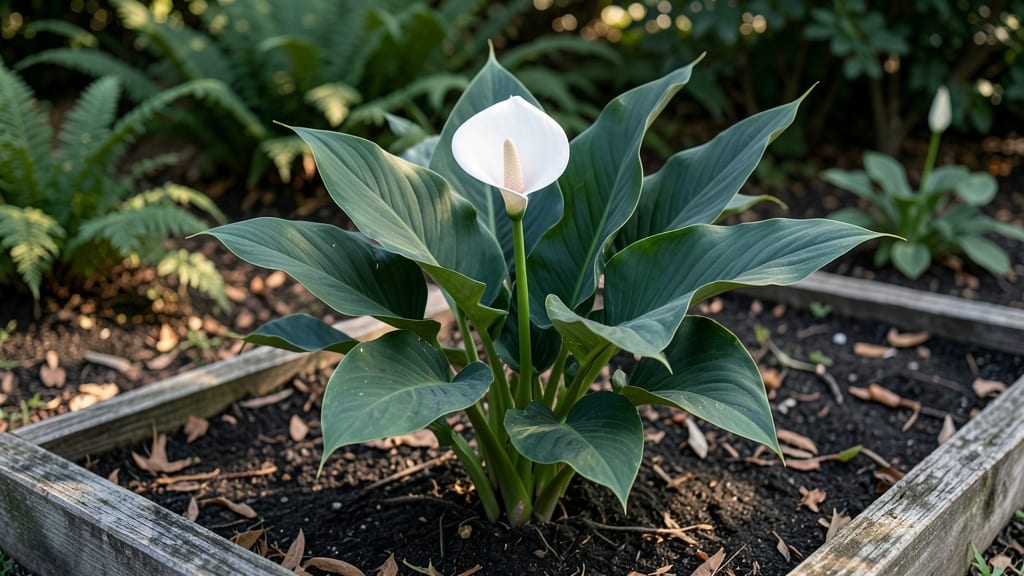
Growing calla lilies thrives in zones 8-11, where their dramatic blooms become a summer staple. 🌿 I’ve learned the hard way—those same plants treated as annuals in colder zones still deliver jaw-dropping foliage and flowers, if you know the tricks.
The key difference? Perennial in warm climates, seasonal in cooler ones, with winter care making all the difference between a dead rhizome and next year’s showstopper.
Your zone determines everything: planting depth, mulch thickness, and whether you’ll dig up rhizomes or leave them in the ground. In zones 7 and below, calla lilies act like tender perennials—protect them with thick mulch or containers you can move indoors.
Zones 8-11? Plant rhizomes in spring, let them naturalize, and watch them multiply year after year. The right variety matters too—‘Black Star’ and ‘Inky Queen’ handle cooler zones better than tropical types.
By mid-summer, you’ll have bold, waxy blooms that last weeks—if you’ve given them enough sunlight and moisture. In colder zones, the secret is timing: plant rhizomes after the last frost, then cover them before the first hard freeze.
Even in tough climates, a little extra care turns these plants into reliable annuals that still outshine most perennials. The payoff? Stunning vertical interest that no other summer plant delivers.
Whether you’re in a frost-free zone or a chilly one, the same basic needs apply: bright light, rich soil, and consistent moisture. The only real difference is how you handle winter. In warm zones, they’re low-maintenance perennials; in cooler ones, they become a seasonal splurge worth repeating.
Start with one variety, master the care routine, and you’ll be hooked on calla lilies for life.
📚 In This Guide
- What you need
- Instructions
- Tips and common mistakes
- Wrapping up and next steps
What you need
- ● Calla lily rhizomes: 3–5 tubers per plant (choose healthy, firm rhizomes with visible growth points).
- ● Well-draining potting mix: 2–3 bags (50 lbs each) of a blend designed for tubers or bulbs (e.g., 50% peat moss, 30% perlite, 20% compost).
- ● Garden soil (for in-ground planting): Amend with 1–2 inches of organic compost per square foot.
- ● Container (if potted): 1–2 large pots (12–18 inches deep) with drainage holes per plant.
- ● Organic fertilizer: 1 bag of balanced 10-10-10 or slow-release bulb fertilizer (follow package rates).
- ● Mulch: 2–3 inches of shredded bark or straw to retain moisture and regulate soil temp.
- ● Watering can or hose: With a gentle spray nozzle for even moisture.
- ● Gloves & trowel: For handling rhizomes and digging.
- ● Soil pH test kit: To ensure your soil is slightly acidic (pH 6.0–7.0).
- ● Epsom salt: 1–2 tablespoons per gallon of water for magnesium boosts (especially in clay soils).
- ● Plant stakes or cages: For taller varieties to prevent flopping.
- ● Shade cloth: 30–50% coverage for hotter calla lily zones (Zones 8–11).
- ● Drip irrigation system: For consistent moisture in large garden beds.
Instructions for planting calla lilies by exact hardiness zone
Here's how I get calla lilies blooming reliably year after year—no matter your zone.
☀️ Step 1: Choose the Right Variety for Your Zone
Calla lilies thrive in zones 4-10, but your specific variety matters. Hardy types like Zantedeschia aethiopica (white calla) survive down to zone 4, while tropical varieties like Zantedeschia elliottiana (pink calla) need zone 8+. Check your zone on the USDA map, then match it to your plant's label.
I always plant two varieties—one hardy and one tropical—so I get blooms from early spring through late fall. The hardy ones handle winter dormancy, while the tropicals keep flowering when days warm up. Look for labels that specify "hardy" or "tropical" if you're unsure.
🪴 Step 2: Plant at the Correct Time and Depth
Timing depends on your zone. In zones 4-7, plant rhizomes in early spring (after the last frost but before soil warms to 60°F). In zones 8-10, you can plant in fall or early spring—just avoid extreme heat. Dig a hole twice as wide as the rhizome but only 2 inches deep—burying too deep suffocates the plant.
Space plants 12-18 inches apart for full blooms. I like to plant in clusters of three for a dramatic effect, but don’t crowd them—roots need room to spread. Loosen the soil around the hole with a fork to help roots establish faster. If your soil drains poorly, mix in a handful of perlite to prevent rot.
💧 Step 3: Water and Mulch for Consistent Moisture
Calla lilies love consistent moisture but hate soggy soil. Water deeply once a week (or more in extreme heat) until the top 2 inches of soil feel damp. You’ll know it’s right when the soil looks dark but not glistening. Overwatering is the #1 killer—roots rot quickly in compacted, waterlogged earth.
After watering, apply 2-3 inches of mulch (like shredded bark) to retain moisture and regulate temperature. I always mulch in early spring and again after the first big rain. Avoid mulching too close to the stems—keep it 2 inches away to prevent rot. In zones 8-10, mulch heavily in winter to protect roots from frost.
✂️ Step 4: Fertilize and Deadhead for Longer Blooms
Feed calla lilies with a balanced 10-10-10 fertilizer every 4-6 weeks during growing season (spring to early fall). I use half-strength to avoid burning roots—too much fertilizer leads to lush leaves but few blooms. Stop fertilizing in late summer to let plants prepare for dormancy.
Deadhead spent blooms by snipping the flower stalk just above the leaf with clean shears. This encourages new blooms and keeps the plant tidy. In zones 4-7, cut back foliage to 6 inches tall in fall and cover with 4-6 inches of mulch for winter protection. In warmer zones, leave foliage until it yellows naturally—it stores energy for next year’s blooms.
⏰ Step 5: Overwinter for Zone-Specific Survival
In zones 4-6, calla lilies go dormant in winter. After the first frost, cut back foliage to ground level and cover the planting area with 8-10 inches of straw or leaves. This insulates roots from freezing. In zones 7-9, a 2-inch mulch layer is enough—just protect from hard freezes.
In zones 8-10, tropical calla lilies stay active year-round. Water lightly in winter (about once every 2-3 weeks) unless it rains. If temperatures drop below 30°F, cover plants with burlap or frost cloth to prevent damage. Come spring, remove old mulch and fertilize lightly to kickstart new growth.
Tips & tricks for perfect calla lily planting by zone
Took me years of trial and error to figure out these simple tricks that make all the difference when planting calla lilies—especially when you're juggling different hardiness zones.
Variety Selection Tip: Always check the label for "hardy" or "tropical" designations—this isn't just about zone numbers. I've seen Zantedeschia aethiopica survive winters in zone 5 when properly mulched, while some labeled "hardy" varieties struggle in zone 6. The key is matching the specific variety's tolerance to your winter lows, not just your zone number.
Planting Depth Secret: That 2-inch depth recommendation is non-negotiable. I learned this the hard way when my first batch of calla lilies flopped—they were planted too deep, and the rhizomes suffocated. Use a ruler to measure: the top of the rhizome should peek just above the soil line after planting. This ensures proper airflow and prevents rot.
Soil Prep Strategy: Before planting, mix perlite into heavy clay soils—even just a handful per hole makes a world of difference. I test my soil's drainage by filling a container with water, then timing how long it takes to drain. If it takes more than 10 minutes, I know I need to add perlite. Proper drainage prevents the #1 killer of calla lilies: root rot.
Zone-Specific Mulching: In zones 4-6, that 8-10 inch winter mulch layer is your best friend. I use a mix of straw and leaves because they break down slowly, providing insulation all winter. In zones 8-10, I switch to a thicker layer of shredded bark mulch—it retains moisture better for those tropical varieties that stay active year-round.
Pro Tips for Calla Lily Zone
- Took me years of trial and error to figure out these simple tricks that make all the difference when planting calla lilies—especially when you're juggling different hardiness zones.
- Variety Selection Tip: Always check the label for "hardy" or "tropical" designations—this isn't just about zone numbers.
- Planting Depth Secret: That 2-inch depth recommendation is non-negotiable.
Frequently asked questions
Got questions about growing calla lilies in the right zone? We’ve got answers!
Whether you’re a first-time planter or a seasoned gardener, these FAQs will help you navigate timing, care, and common challenges. Let’s dive in!
What USDA hardiness zones do calla lilies thrive in?
Calla lilies (like Zantedeschia aethiopica) prefer USDA zones 8–11. In cooler zones (7 or below), grow them as annuals or overwinter them indoors. For zones 8–10, they’re perennial with proper winter mulch. Check our zone-specific timeline for planting tips!
When is the best time to plant calla lilies?
Plant after the last frost (spring) in zones 8–11, once soil temps hit 60°F+. In warmer zones, you can also plant in early fall (6–8 weeks before frost). For containers, plant anytime—just ensure they get bright, indirect light.
How much water do calla lilies need?
Keep soil consistently moist (not soggy!)—water 1–2 inches per week. They love humidity! In hot zones, mulch to retain moisture. Yellowing leaves? Often a sign of overwatering or poor drainage. Use well-draining soil and pots with holes.
Can calla lilies survive winter in cold zones?
No—most calla lilies are tender perennials. In zones <7, dig up tubers before frost, trim foliage, and store them in dry peat moss at 50–60°F until spring. In zones 8–10, mulch heavily (4–6 inches) to protect roots.
What’s the best alternative for calla lilies in cold climates?
Try hardy water lilies (like Nymphaea) or daylilies (Hemerocallis) for similar drama. For containers, elephant ears (Alocasia) or canna lilies (zones 7–11) are great substitutes. All offer bold foliage and easy care!
Why aren’t my calla lilies blooming?
Common culprits:
- Not enough light: They need 6+ hours of sun (partial shade in hot zones).
- Over/under-watering: Too much = rot; too little = stress.
- Old tubers: Divide clumps every 2–3 years for fresh growth.
- Nutrient deficiency: Feed with balanced fertilizer (10-10-10) in spring.
Give them patience—some varieties bloom 6–8 weeks after planting!
Wrapping up and next steps
Understanding your calla lily zone is the first step to nurturing these stunning blooms into thriving plants! Whether you’re in a warm USDA Zone 8 or a cooler Zone 5, knowing their hardiness and seasonal needs ensures success.
With the right timing—from spring planting to fall dormancy—you’ll enjoy lush foliage and dramatic flowers year after year.
Ready to put your knowledge into action? Start by marking your last frost date and first frost date on your calendar. Then, pick a sunny spot, prep the soil, and plant with confidence! Your garden (and future blooms) will thank you. 🌿✨