
Flowers
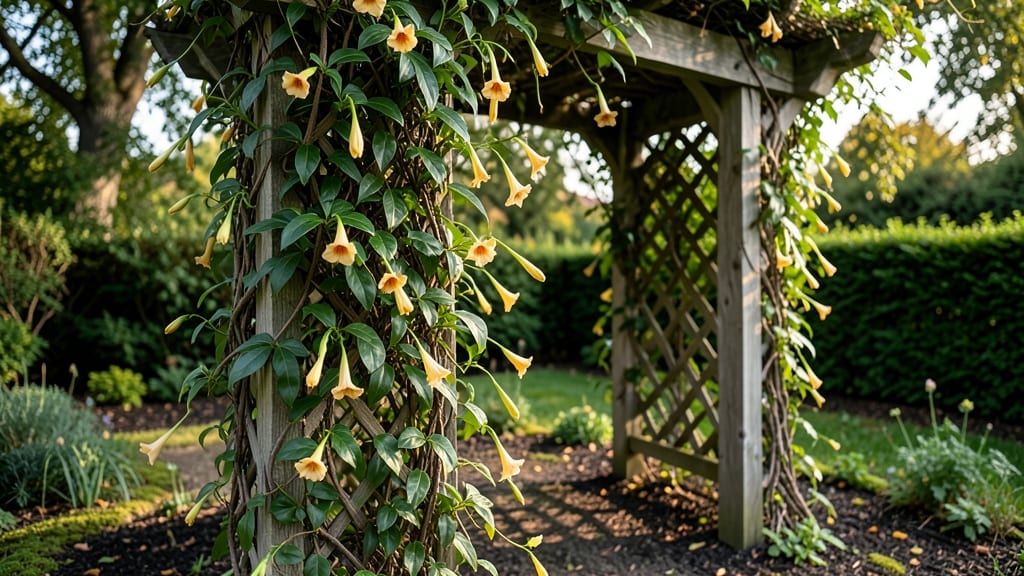
Carolina jasmine grows best in USDA hardiness zones 7-10, where it handles winter lows down to 0°F (-18°C) without permanent damage. In cooler areas, partial shade and well-draining soil protect its roots, while warmer zones benefit from full sun exposure for peak flowering.
This evergreen vine thrives in the southeastern U.S., from Virginia to Florida and west to Texas, where its natural hardiness aligns perfectly with these zones. 🌿 The key is understanding how microclimates—like coastal humidity or inland dryness—can shift its needs slightly.
For instance, zone 7 gardens may need winter mulch to prevent root freeze, while zone 10 plants might wilt without afternoon shade during summer heatwaves. I've seen it adapt beautifully in zone 8 when given the right balance of morning sun and afternoon shelter.
What sets Carolina jasmine apart is its dual tolerance: it handles both coastal salt spray and inland drought better than many climbers. The secret lies in its thick, leathery leaves that conserve moisture while still allowing enough airflow to prevent fungal issues.
For gardeners pushing its limits in zone 6, I recommend container growing with extra insulation—just be prepared for occasional dieback during harsh winters.
💡 In This Article
- USDA Hardiness Zones for Carolina Jasmine: Exact Climate Requirements
- Carolina Jasmine Planting Guide by Zone: Soil, Sun, and Seasonal Tips
USDA hardiness zones for Carolina jasmine: exact climate requirements
The Carolina jasmine's hardiness hinges on its ability to survive winter lows down to 0°F (-18°C), which defines its core range of zones 7-10. However, the real magic happens in how it adapts to temperature fluctuations.
In zone 7, where winters dip to 0-10°F (-18 to -12°C), the plant enters dormancy but can rebound with proper mulching. The critical threshold is 20°F (-7°C) for 3+ hours, which can cause irreversible damage to its evergreen foliage. 🌡️
Coastal areas within these zones benefit from moderating ocean breezes that prevent rapid temperature drops, while inland regions may experience more extreme swings. For example, Florida's zone 9b (25-30°F/-4 to -1°C) winters are far gentler than Texas's zone 8a (10-15°F/-12 to -9°C).
This explains why coastal Carolina jasmine often thrives in zone 8 when inland plants struggle. The plant's natural range—from Virginia to Florida—shows its preference for humid subtropical climates where summer heat (up to 95°F/35°C) and winter mildness create ideal conditions.
Flowering cycles also shift by zone: zone 10 plants bloom year-round, while zone 7 vines may only flower 6-8 weeks annually during spring. The key is understanding that Carolina jasmine's growth rate accelerates at 75°F/24°C and above, which is why zone 9-10 gardens see more vigorous climbing.
In cooler zones, growth slows dramatically below 50°F/10°C, which is why early spring planting gives roots time to establish before summer heat arrives.
What most gardeners miss is how microclimates create exceptions. A north-facing wall in zone 7 might protect plants from harsh winds, allowing them to survive -5°F (-21°C) brief dips. Conversely, a south-facing slope in zone 9 can push temperatures to 105°F/40°C, requiring afternoon shade.
The plant's thick, waxy leaves actually help it tolerate these extremes by reducing water loss during heatwaves while preventing frost damage in winter.
For those testing zone 6 limits, expect 50% winter dieback unless using container culture with 3 inches of mulch and winter wraps. The plant's roots can survive -10°F (-23°C) when insulated, but above-ground growth will suffer.
This explains why many zone 6 gardeners grow it as an annual or use it as a seasonal accent rather than a permanent feature. The trade-off is worth it for its intense jasmine fragrance, which becomes more concentrated in cooler climates due to slower metabolic processes.
Interestingly, Carolina jasmine's flowering response to temperature follows a photoperiod-independent pattern—meaning it blooms based on temperature cues rather than daylight hours. This is why zone 10 plants flower continuously while zone 7 plants have distinct spring blooms.
The optimal flowering temperature range is 70-85°F/21-29°C, which is why many gardeners in zone 8 see peak blooms during summer heatwaves.