
Planting
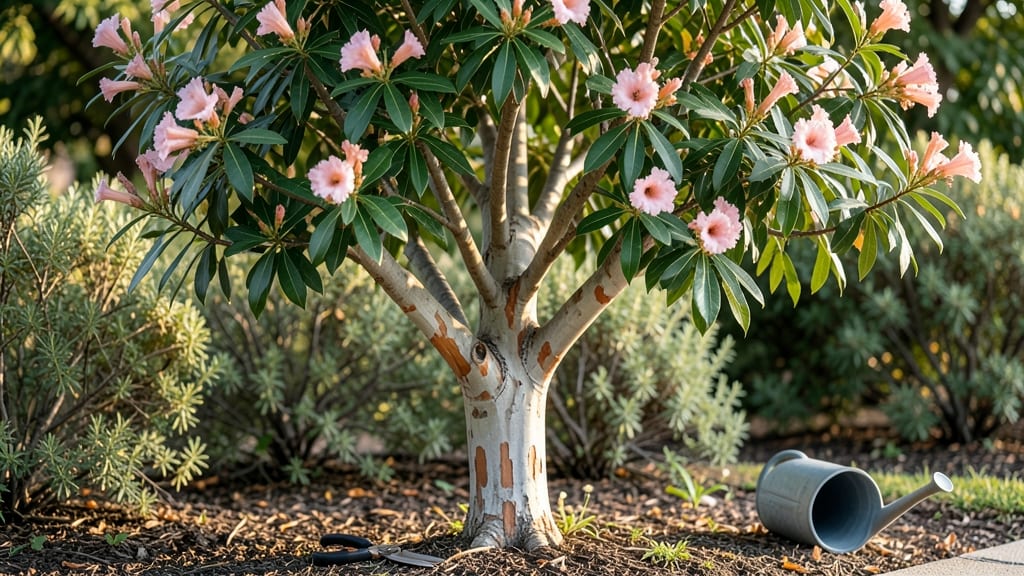
Your crape myrtle's hardiness zone determines whether it thrives or struggles—zones 7-9 are its sweet spot, but the right cultivar can push those boundaries. 🌿 I planted mine in zone 8 last spring, expecting vibrant blooms, but the late frost nearly took it out.
The difference between a surviving shrub and a showstopper comes down to variety selection, planting timing, and a few zone-specific tricks most gardeners miss.
Crape myrtles aren't one-size-fits-all: dwarf varieties like 'Acoma' handle cooler zones (6b) better, while heat-lovers like 'Muskogee' dominate zone 9's summer heat.
The key is matching your zone to the cultivar's cold tolerance—below 10°F is the danger line for most, but some tougher types survive down to 5°F. Planting after the last frost (usually mid-April in most zones) gives roots time to establish before winter stress hits.
What you end up with is a drought-tolerant beauty that blooms from summer to fall, with bark that turns stunning in winter. My zone 8 plant now towers 8 feet tall, its lavender blooms attracting hummingbirds all season.
The secret? Mulching heavily in fall, watering deeply during establishment, and pruning old wood in late winter—before new growth starts.
Works for urban landscapes, rural yards, or even large containers if your zone edges the limits. Here's how to pick the perfect variety for your microclimate and keep it thriving—no matter where you live in the USDA map.
📚 In This Guide
- What you need
- Instructions
- Tips and common mistakes
- Wrapping up and next steps
What you need
- ● Crape myrtle plants: Choose 1–3 healthy nursery-grown specimens (bare-root or containerized), matching your USDA hardiness zone (6–9).
- ● Shovel or trowel: A 6-inch hand trowel for small holes or a heavy-duty shovel for bulk planting.
- ● Garden gloves: A pair of durable, breathable gloves (e.g., nitrile-coated) to protect your hands.
- ● Compost or well-aged manure: 5–10 pounds per plant to enrich the soil.
- ○ Mulch (optional but recommended): 2–3 inches of pine straw, shredded bark, or wood chips to retain moisture and suppress weeds.
- ● Watering can or hose: A gallon-sized watering can for seedlings or a soaker hose for established plants.
- ● Pruning shears: Bypass pruners (sharp and clean) for trimming dead branches post-planting.
- ○ Planting hole marker (optional): Stakes or flags to mark hole locations for precision.
- ● Soil test kit: To check pH (ideal range: 5.0–6.5) and adjust with lime or sulfur if needed.
- ● Slow-release fertilizer: 10–20 lbs of balanced 10-10-10 or low-phosphorus formula for young plants.
- ● Plant support (for young trees): A 3–4 ft bamboo stake and soft tie straps if planting in windy areas.
- ● Drip irrigation system: For automated watering in dry crape myrtle zones (e.g., Zone 8–9).
- ● Organic pest control: Neem oil or insecticidal soap to preempt aphids or scale.
Step-by-step guide to planting crape myrtles in the right USDA zone
Here's how to choose and plant crape myrtles for maximum beauty and longevity in your climate.
🌱 Step 1: Determine Your USDA Hardiness Zone
Crape myrtles thrive in USDA Zones 6 through 10, but specific varieties perform best in certain ranges. Check your zone using the USDA Hardiness Zone Map—just enter your ZIP code. For example, Lagerstroemia indica handles cooler zones (6-9), while Lagerstroemia fauriei prefers warmer climates (7-10).
If you're near a zone boundary (like 6a or 10a), opt for cold-hardy varieties like 'Natchez' or 'Tonto' for extra protection. I always verify my zone twice—once online, then with a local nursery—because microclimates (like urban heat islands) can shift conditions by a full zone.
☀️ Step 2: Select the Perfect Planting Spot
Crape myrtles demand full sun—at least 6-8 hours daily—for vibrant blooms and compact growth. In zones 8-10, afternoon shade helps prevent leaf scorch, but morning sun is non-negotiable. I plant mine where they get south or west exposure, avoiding spots where they’ll compete with mature trees for light.
Well-draining soil is critical. Test your soil’s drainage by digging a 12-inch hole—if water pools after 30 minutes, amend with 2-3 inches of compost or plant on a slight mound. The roots hate soggy feet, and poor drainage is the #1 reason crape myrtles decline in zones with heavy clay.
🪴 Step 3: Plant at the Right Time and Depth
For zones 6-7, plant in early spring (after last frost) to establish roots before summer heat. Zones 8-10 can handle fall planting (October-November) for cooler winter establishment. Dig a hole twice as wide as the root ball but only as deep as the container’s root flare—burying too deep suffocates the plant.
Loosen the root ball if pot-bound, then backfill with native soil mixed with 1 part compost. Water deeply to settle the soil, then add a 2-inch layer of mulch (keep it 6 inches away from the trunk). This protects roots from temperature swings, which are brutal in zones 6-7 during winter.
💧 Step 4: Water and Fertilize for Zone-Specific Needs
First year: Water deeply once a week (more in zones 8-10 during droughts). You’ll know it’s enough when top 6 inches of soil feel moist. Overwatering in zones 6-7 leads to root rot—always check before watering. After establishment (year 2+), crape myrtles are drought-tolerant but still appreciate deep watering every 2 weeks in extreme heat.
Fertilize lightly in spring with a balanced 10-10-10 (follow label rates). In zones 9-10, I skip fall fertilization—too much growth invites winter damage. Prune dead blooms in early spring to encourage new flowers, but never prune in fall—it stresses the plant before dormancy.
⏰ Step 5: Protect in Extreme Zones
For zones 6-7, wrap young trunks with tree guards in winter to prevent rodent damage. A 4-inch layer of mulch (like pine straw) insulates roots from freeze-thaw cycles. In zones 9-10, shield from hurricane winds by staking if needed—these plants are tough but not stormproof.
Watch for powdery mildew in humid zones (8-9). Space plants 10-15 feet apart for airflow, and avoid overhead watering. If you see white residue on leaves, spray with neem oil (follow label). With proper care, your crape myrtle will reward you with summer-long blooms for decades—no matter your zone.
Tips & tricks for thriving crape myrtle planting
These simple strategies will help you avoid common pitfalls and get the most vibrant blooms from your crape myrtle investment.
Zone-Specific Variety Selection: When choosing between Lagerstroemia indica and Lagerstroemia fauriei, remember that indica handles zones 6-9 while fauriei thrives in 7-10. For boundary zones like 6a or 10a, cold-hardy varieties like 'Natchez' or 'Tonto' are your best bet. I always cross-reference the USDA map with local nursery recommendations—microclimates can shift your effective zone by up to 1 full zone, especially in urban areas.
Sunlight Strategy: The 6-8 hours of full sun requirement is non-negotiable, but here's what I've learned: In zones 8-10, afternoon shade becomes crucial to prevent leaf scorch. Position your plants to receive morning sun and afternoon shade from nearby structures. For maximum bloom intensity, south or west-facing spots work best—just avoid areas where mature trees will eventually compete for light.
Soil Test Hack: That 30-minute water test for drainage is your secret weapon. If water pools after 30 minutes, you're dealing with heavy clay soil. The fix is simple: either amend with 2-3 inches of compost or plant on a slight mound to improve drainage. I've seen crape myrtles fail spectacularly in soggy soil, but proper drainage makes all the difference for root health.
Winter Protection: In zones 6-7, the 4-inch mulch layer isn't just decoration—it's insulation. I use pine straw because it breaks down slowly and provides consistent protection against freeze-thaw cycles. For young trees, add tree guards to prevent rodent damage during winter. In hurricane-prone zones 9-10, staking provides that extra stability without restricting growth.
Pro Tips for Crape Myrtle Zone
- These simple strategies will help you avoid common pitfalls and get the most vibrant blooms from your crape myrtle investment.
- Zone-Specific Variety Selection: When choosing between Lagerstroemia indica and Lagerstroemia fauriei, remember that indica handles zones 6-9 while fauriei thrives in 7-10.
- Sunlight Strategy: The 6-8 hours of full sun requirement is non-negotiable, but here's what I've learned: In zones 8-10, afternoon shade becomes crucial to prevent leaf scorch.
Frequently asked questions
Got questions about planting and caring for crape myrtles in the right USDA hardiness zones? Here are some of the most common concerns—plus straightforward answers to help you grow a stunning, healthy tree!
What USDA zones do crape myrtles thrive in?
Crape myrtles are hardy in USDA zones 7 through 10, though some varieties (like Lagerstroemia fauriei) can handle zones 6-9 with winter protection. Always check your local zone and pick a cultivar suited to your climate—this ensures vibrant blooms and long-term survival!
How do I protect crape myrtles in colder zones (like 6 or below)?
For zones 6 or colder, wrap the trunk with burlap or tree guards in late fall, and mulch heavily (3-4 inches) around the base. Avoid overwatering before winter, and prune lightly in early spring to encourage new growth. Pro tip: Choose dwarf or cold-hardy varieties like ‘Natchez’ or ‘Sioux’ for extra resilience!
Can I plant crape myrtles in containers or small spaces?
Dwarf crape myrtles
(like ‘Tonto’ or ‘Acoma’) thrive in containers (15+ gallon pots) and are perfect for patios, balconies, or small yards. Use well-draining soil, and repot every 2-3 years. Bonus: Container plants can be moved indoors during harsh winters if needed!
Why are my crape myrtle leaves turning yellow or dropping?
Yellowing leaves often signal overwatering, nutrient deficiency, or fungal issues (like powdery mildew). Check soil moisture—crape myrtles prefer dry soil in summer! If leaves curl or spots appear, prune affected branches and apply neem oil for pests. Pro tip: Test soil pH (ideal: 5.5–6.5) and fertilize lightly in spring.
Do crape myrtles need full sun, or can they tolerate partial shade?
While crape myrtles love full sun (6+ hours daily), they can tolerate partial shade (4-6 hours), especially in hotter zones (9-10). In shadier spots, expect fewer blooms but still lush foliage. For best results, plant in morning sun + afternoon shade to balance heat stress.
Wrapping up and next steps
Ready to transform your garden with stunning crape myrtles? 🌸 By understanding crape myrtle zones and the USDA Hardiness Map, you’ve got all the tools to pick the perfect variety for your climate.
Whether you’re a seasoned gardener or just starting, the key is planting in the right zone and giving your tree the care it deserves.
Now’s the perfect time to take action—visit your local nursery, grab some soil, and get planting! Your future blooms will thank you. Happy gardening! 🌱