
Planting
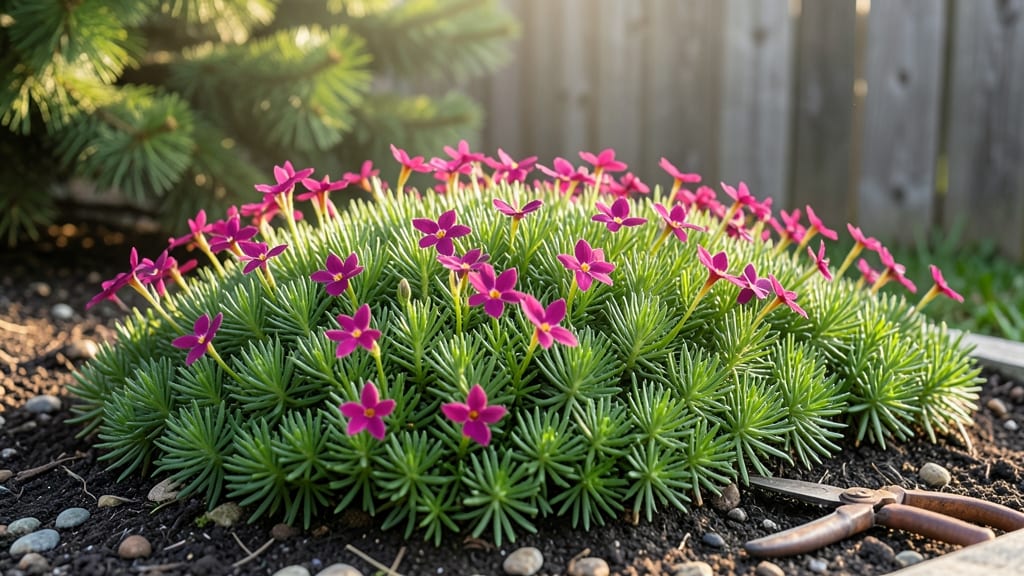
The creeping phlox hardiness zone spans 3 through 8, but its true magic happens when you match it to your local climate—where this ground-hugging beauty spreads across rocky slopes in New England and thrives in mild winters. 🌿 of the Pacific Northwest—it’s all about understanding its natural range and how your microclimate plays into it.
The key to success isn’t just the zone number—it’s the sunlight, soil, and airflow where you plant it. Creeping phlox craves full sun to partial shade and well-draining soil, which means rocky or sandy spots work better than heavy clay.
In hotter zones (7-8), afternoon shade helps prevent scorching, while colder zones (3-5) benefit from a thick mulch layer to protect roots from freeze-thaw cycles.
Once established, creeping phlox becomes nearly indestructible, blooming in early spring with a carpet of color that lasts for weeks. The trick is planting in fall or early spring when roots can settle before summer heat or winter cold hits.
A little deadheading after flowering keeps it looking tidy and encourages a second, lighter flush of blooms.
Don’t let zone numbers fool you—microclimates matter more. Check your local frost dates and test your soil drainage before planting. If you’re on the edge of its range (like zone 9), opt for varieties like ‘Sherwood Purple’ or ‘Emerald Blue’—they handle heat better than standard types.
📚 In This Guide
- What you need
- Instructions
- Tips and common mistakes
- Wrapping up and next steps
What you need
- ● Creeping phlox plants: 3–5 mature plants (or 10–15 young starts) per square foot, depending on desired ground cover density.
- ● Well-draining soil: Amend heavy clay or sandy soil with 2–3 inches of compost or organic matter (e.g., peat moss, coconut coir).
- ● Organic mulch: 2–3 inches of pine straw, shredded bark, or wood chips to retain moisture and suppress weeds.
- ● Slow-release fertilizer: 10-10-10 or 5-10-10 NPK blend (apply 1–2 tbsp per plant at planting time).
- ● Watering can or hose: With a gentle spray nozzle for even moisture distribution.
- ● Garden trowel or hand shovel: For digging small holes (6–8 inches deep).
- ● Garden gloves: Heavy-duty to protect hands while handling soil and plants.
- ● Pruners: Bypass pruners for trimming spent blooms or shaping plants.
- ● Measuring tape or ruler: To space plants 12–18 inches apart (closer for dense coverage).
- ● Garden rake: For leveling soil and removing debris.
- ● Epsom salt: 1 tbsp dissolved in 1 gallon of water (monthly spray for magnesium boost in Zones 3–5).
- ● Drip irrigation kit: For automated watering in dry climates (Zones 6–9).
- ● Plant stakes or markers: To track varieties (e.g., ‘Mango Tango’ vs. ‘Emerald Blanket’).
- ● Frost cloth: Lightweight 30–40g fabric for Zone 3–4 protection during late frosts.
- ● Soil pH test kit: Aim for 6.0–7.0 pH (creeping phlox thrives in slightly acidic to neutral soil).
Step-by-Step guide to planting creeping phlox in your hardiness zone
This hardy ground cover thrives in zones 3-9, but knowing your specific climate’s nuances makes all the difference.
🌱 Step 1: Verify Your USDA Hardiness Zone and Select Varieties
Creeping phlox adapts beautifully from zone 3 to zone 9, but cooler climates (zones 3-5) need cold-hardy varieties like 'Emerald Blue' or 'Sherwood Purple', while warmer zones (7-9) flourish with heat-tolerant types like 'David Ward' or 'Blue Ridge'. Check your zone using the USDA Plant Hardiness Zone Map—it’s the foundation for everything else.
Here’s the thing—some phlox varieties have late-spring blooms, while others bloom in early spring. If you’re in zone 6 or below, focus on early-blooming types to avoid frost damage. In zones 8-9, prioritize heat-tolerant selections that won’t scorch in summer heat. I always double-check the label or plant database to match my zone with the right cultivar.
☀️ Step 2: Choose the Perfect Sunlight Spot Based on Your Zone
Creeping phlox craves full sun (6+ hours daily), but in zones 7-9, afternoon shade prevents leaf scorch. In cooler zones (3-5), it thrives in morning sun with afternoon shade, especially if summers run hot. Look for a location with well-draining soil—phlox roots rot quickly in soggy conditions.
Watch for microclimates in your yard. A south-facing slope might be zone 5 in your area but zone 6 where phlox grows—ideal for cooler-climate gardeners. In warmer zones, a north-facing bed with afternoon shade extends bloom time. I always test the spot for a week before planting by observing how much direct sunlight it gets at different times of day.
💧 Step 3: Prepare Soil and Plant at the Right Time for Your Climate
Amend native soil with 2-3 inches of compost to improve drainage and fertility. In zones 3-5, plant in early spring (April-May) when soil warms to 50°F but before buds swell. Warmer zones (6-9) get planted in fall (September-October) so roots establish before summer heat.
Dig holes twice as wide as the root ball but only as deep as the container. Space plants 12-18 inches apart—closer in zones 7-9 where growth is vigorous, farther in cooler zones where spread is slower. Water deeply after planting to eliminate air pockets, then let the soil dry slightly before watering again. This prevents root rot, which is especially critical in zones with heavy clay soil.
✂️ Step 4: Mulch and Maintain for Seasonal Zone Needs
Apply 2-3 inches of mulch (straw or shredded bark) to retain moisture and regulate soil temperature. In zones 3-5, mulch heavily in winter to protect roots from freeze-thaw cycles. In zones 6-9, mulch lightly in summer to prevent soil overheating. I always leave 1 inch of space between mulch and stems to avoid rot.
Deadhead spent blooms to encourage reblooming in zones 6-9, but leave seed heads in cooler zones for winter interest. Fertilize lightly in early spring with a balanced 10-10-10 formula—overfeeding in warmer zones leads to leggy growth. Watch for powdery mildew in humid zones (7-9) and treat promptly with neem oil. In drier zones (3-5), supplemental watering during drought keeps foliage lush.
⏰ Step 5: Overwinter Care by Zone
Zones 3-5 need winter protection: apply 4-6 inches of mulch after the first hard frost and cover with burlap if temperatures dip below -10°F. In zones 6-7, a light mulch suffices, while zones 8-9 may need no winter care beyond regular maintenance.
Prune back by one-third in early spring (March-April) to stimulate new growth. In warmer zones, you’ll see fresh foliage by early April; cooler zones may take until May. The key is timing—prune too early and you risk frost damage; too late and you delay spring blooms. I always prune after the last frost date in my zone to avoid both pitfalls.
Tips & tricks for perfect creeping phlox planting by zone
Between us, the difference between a thriving phlox ground cover and one that struggles often comes down to these key adjustments for your specific climate. Here's what nobody tells you about making creeping phlox truly shine in your hardiness zone.
Variety Selection Matters: The specific cultivars mentioned in Step 1 are non-negotiable for zone performance. For example, 'Emerald Blue' thrives in zone 3 where it would scorch in zone 8. Always verify the cultivar's hardiness range matches your zone—some labels are misleading. I've seen gardeners plant heat-tolerant varieties in cooler zones only to watch them fail by late summer.
Soil Temperature Timing: That 50°F soil temperature in Step 3 is your golden window for planting in cooler zones. Use a soil thermometer to confirm—cold soil delays root establishment. In zones 6-9, fall planting works because roots establish before winter, but if your fall is unusually warm, consider early September planting to avoid summer stress.
Microclimate Mastery: The sunlight adjustments in Step 2 reveal why your yard might need different treatments in the same bed. Test potential spots for a week before planting—use a simple shadow tracking method. Mark the ground with chalk at solar noon and track shadows throughout the day. This helps determine if a location truly gets 6+ hours of sun or if it's borderline for your zone.
Winter Protection Strategy: For zones 3-5, the 4-6 inches of mulch plus burlap is essential when temperatures drop below -10°F. I've learned this the hard way after watching phlox die back in my zone 4 garden during harsh winters. Use a weather forecast app to track your local freeze warnings—this helps time your winter protection perfectly before the first hard frost.
Pro Tips for Creeping Phlox Hardiness Zone
- Between us, the difference between a thriving phlox ground cover and one that struggles often comes down to these key adjustments for your specific climate.
- Variety Selection Matters: The specific cultivars mentioned in Step 1 are non-negotiable for zone performance.
- Soil Temperature Timing: That 50°F soil temperature in Step 3 is your golden window for planting in cooler zones.
Frequently asked questions
Got questions about growing creeping phlox in your zone?
Here are answers to the most common ones—so you can plant with confidence!
What are the best hardiness zones for creeping phlox?
Creeping phlox thrives in USDA Hardiness Zones 3–9, making it versatile for most U.S. climates. In colder zones (3–5), it’s hardy to -40°F, while warmer zones (6–9) enjoy its spring blooms year after year. Just ensure well-draining soil to prevent winter rot!
Can creeping phlox survive harsh winters in Zone 4?
Creeping phlox is winter-hardy in Zone 4 but benefits from a 3-inch mulch layer (like shredded bark or straw) to protect roots. Avoid heavy mulch, which can suffocate plants. Prune back dead foliage in early spring to encourage fresh growth.
When is the best time to plant creeping phlox?
Plant in early spring or fall (4–6 weeks before frost) for ideal establishment. Spring planting lets roots settle before summer heat, while fall planting avoids drought stress. Avoid planting in extreme heat or freezing temperatures—creeping phlox hates stress!
What can I plant with creeping phlox for a low-maintenance ground cover?
Pair it with ajuga, sedum, or heuchera for a colorful, drought-tolerant combo. These plants thrive in similar zones (3–9) and complement creeping phlox’s early spring blooms. Avoid aggressive spreaders like mint, which can crowd it out.
Why is my creeping phlox dying back in Zone 5?
Check for overwatering, poor drainage, or pests (like slugs or vine weevils). Ensure soil drains well and mulch lightly. If leaves yellow or wilt, reduce watering. In Zone 5, heavy clay soil can suffocate roots—amend with compost to improve aeration!
Wrapping up and next steps
Creeping phlox is a low-maintenance, high-reward ground cover that thrives in zones 3 through 8, bringing vibrant color and texture to gardens across the U.S. Whether you’re in the chilly Midwest or the milder South, its adaptability makes it a fantastic choice for sun-loving landscapes.
With the right soil prep, sunlight, and a little care, you’ll enjoy its blooms for years to come!
Ready to transform your garden? Start by sketching your design—consider pairing creeping phlox with complementary perennials or using it as a border. Happy planting! 🌸