
Planting
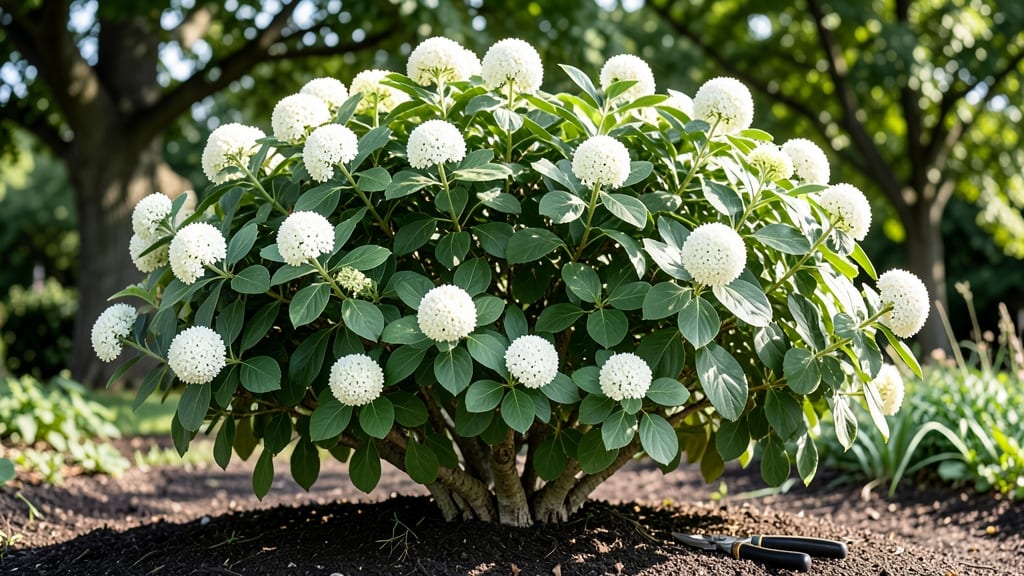
If you're planting an Eastern Snowball Viburnum, zones 3 through 8 are your sweet spot for this cold-hardy beauty. 🌿 I fell in love with its cloud-like white blooms and glossy leaves, but the real magic happens when it thrives in your yard—with minimal fuss.
This shrub isn’t just pretty; it’s tough enough to handle winter winds and still burst into bloom come spring.
The key to success starts with soil that drains well but holds moisture—think rich, slightly acidic loam. A spot with morning sun and afternoon shade keeps the leaves lush while protecting delicate blooms from harsh afternoon rays.
Unlike fussy plants, this viburnum tolerates clay soil (with amendments) and even urban pollution, making it a low-maintenance star for any landscape.
By late spring, you’ll be rewarded with fragrant, snowball-shaped clusters that attract pollinators, followed by deep red berries that persist through winter. The foliage turns a soft yellow in fall, giving you year-round interest without extra work. Just prune lightly after flowering to keep the shape tidy.
Common challenges? Early spring frost can nip buds, but a light blanket of burlap or choosing a sheltered spot solves that. Deer usually leave it alone, and pests rarely bother this resilient shrub. Once established, it’s basically set-and-forget—just water deeply during droughts and watch it thrive.
📚 In This Guide
- What you need
- Instructions
- Tips and common mistakes
- Wrapping up and next steps
What you need
- ● Eastern snowball viburnum plants: 1-3 nursery-grown shrubs (3-5 ft tall, bare-root or containerized). Choose healthy specimens with sturdy stems and lush foliage.
- ● Garden soil: Well-draining, slightly acidic to neutral (pH 5.0-7.0). Amend heavy clay with compost (2-3 inches) or peat moss if needed.
- ● Organic mulch: 2-3 inches of wood chips, shredded bark, or pine straw to retain moisture and suppress weeds.
- ● Fertilizer: Balanced 10-10-10 or slow-release organic fertilizer (1 tbsp per plant at planting time).
- ● Watering can or hose: With a gentle spray nozzle for even moisture distribution.
- ● Gloves & pruners: Bypass pruners (clean, sharp) for trimming and gardening gloves for protection.
- ○ Stakes (optional but helpful): 3-4 6-inch wooden or bamboo stakes + twine for young plants in windy areas.
- ● Soil test kit: To check pH and nutrient levels before planting.
- ● Epsom salt: 1 tbsp dissolved in water (monthly) for magnesium boost if leaves show yellowing.
- ● Pest control: Neem oil or insecticidal soap (for aphids or spider mites).
- ● Winter protection: Burlap wrap or mulch blanket for young plants in Zone 2-3 during harsh winters.
How to plant and care for Eastern Snowball viburnum in cold climates
This cold-hardy beauty thrives in zones 3-8 with minimal fuss—here’s how to plant and maintain it for decades of blooms.
🪴 Step 1: Choose the Perfect Planting Spot
Eastern snowball viburnum (Viburnum opulus) loves full sun to partial shade—at least 6 hours of sunlight daily for best flowering. I always plant mine where they’ll get morning sun and afternoon shade in hotter zones, which prevents leaf scorch while keeping stems sturdy. Avoid low spots where cold air pools—this shrub handles winter well, but soggy soil invites root rot.
Test your soil’s drainage by digging a 12-inch deep hole and filling it with water. If it drains in under 2 hours, your site is ready. Amend heavy clay with 2-3 inches of compost mixed into the top 12 inches of soil—this shrub prefers well-draining, slightly acidic soil (pH 5.0-6.5). The roots will thank you for not being smothered.
🌱 Step 2: Plant at the Right Depth and Spacing
Dig a hole twice as wide as the root ball but no deeper—you’ll see why in a minute. Gently remove the plant from its container and loosen any circling roots with your fingers. Place it in the hole so the top of the root ball sits level with the surrounding soil—burying too deep suffocates the stem, while planting too high stresses the roots.
For 4 plants, space them 6-8 feet apart in a loose group or hedge formation. I like to stagger them in a 3x3 grid for visual balance. Backfill with native soil mixed with 1 part compost to encourage root spread. Water deeply right after planting to eliminate air pockets—you’ll know it’s right when moisture reaches the edges of the hole.
☀️ Step 3: Water Deeply and Mulch for Winter Protection
Water once a week for the first month, then taper to every 2 weeks once established (unless your summer is bone-dry). The key is deep watering—soak the soil to 12 inches deep each time. You’ll see new growth spurt in spring if the roots got enough moisture. Avoid overhead watering after planting; it spreads disease spores onto fresh leaves.
Spread 3 inches of mulch (wood chips or shredded bark) over the root zone, keeping it 6 inches away from the stem. This insulates roots in winter and retains moisture in summer. Replenish mulch annually—it breaks down faster than you’d think. In zones 3-4, add an extra 2 inches of mulch in fall to shield roots from extreme cold snaps.
✂️ Step 4: Prune for Health and Abundant Blooms
Prune right after flowering (late spring) to shape the shrub and encourage next year’s blooms. Remove dead, crossing, or weak branches first—these compete for energy. Then cut back last year’s stems by ⅓ to promote bushier growth. I always use clean, sharp pruners (sterilized with rubbing alcohol) to prevent bacterial infections.
Skip heavy pruning in fall—you’ll sacrifice next year’s flowers. If a branch dies back to the ground in winter, cut it at the base in early spring. The shrub rebounds quickly, and you’ll have fuller growth within 2-3 years. Never prune into old wood (more than 3 years)—it won’t regrow.
🌿 Step 5: Monitor for Pests and Seasonal Care
Watch for viburnum leaf beetles—their yellow larvae skeletonize leaves in late spring. I spray affected areas with neem oil (mix 1 tbsp per gallon of water) every 7 days until they’re gone. For deer-prone areas, wrap young stems in hardware cloth until established—deer love the tender new growth.
In fall, fertilize lightly with ½ cup of 10-10-10 granular fertilizer spread over the root zone. Water it in immediately so roots absorb nutrients before winter dormancy. Skip spring fertilization unless your soil test shows deficiencies—this shrub prefers lean conditions and over-fertilizing leads to weak stems and fewer flowers.
Tips & tricks for perfect Eastern Snowball viburnum planting
These simple tricks will help your Eastern snowball viburnum thrive for years with minimal effort.
Sunlight Strategy: In Step 1, when choosing your planting spot, pay special attention to the 6 hours of sunlight requirement. I've found that placing plants where they get morning sun and afternoon shade works best in hotter zones. This balance prevents leaf scorch while still giving them enough light for those stunning blooms. If your yard has afternoon shade naturally, you can push the planting spot slightly farther north for better winter protection.
Root Ball Inspection: Before planting in Step 2, always check the root ball for circling roots. These can strangle the plant if left unchecked. Gently separate them with your fingers—this small step makes all the difference in how quickly your viburnum establishes itself. I've seen plants with severe root circling struggle for years, while those with loose roots thrive immediately.
Mulching Mastery: The 3 inches of mulch in Step 3 is non-negotiable, but here's the secret: use wood chips rather than shredded bark. Wood chips break down more slowly and provide better insulation. In zones 3-4, I double this to 5 inches total (3 inches regular + 2 inches extra) in fall. This extra layer acts like a thermal blanket, protecting roots during extreme cold snaps that can drop below -20°F.
Pruning Precision: When pruning in Step 4, focus on making clean cuts just outside the branch collar—the swollen area where the branch meets the stem. This helps prevent disease entry points. I always sterilize my pruners with rubbing alcohol between cuts, and I never prune into old wood (over 3 years). The plant's energy goes into new growth, not trying to heal old wounds.
Pro Tips for Eastern Snowball Viburnum Zone
- These simple tricks will help your Eastern snowball viburnum thrive for years with minimal effort.
- Sunlight Strategy: In Step 1, when choosing your planting spot, pay special attention to the 6 hours of sunlight requirement.
- Root Ball Inspection: Before planting in Step 2, always check the root ball for circling roots.
Frequently asked questions
Got questions about growing Eastern Snowball Viburnum in your zone? You’re not alone! Here are answers to the most common queries—from planting tips to winter care—so you can keep your shrub thriving with confidence.
What USDA Hardiness Zones does Eastern Snowball Viburnum thrive in?
The Eastern Snowball Viburnum (Viburnum opulus) is a cold-hardy superstar, flourishing in USDA Zones 2 through 8. Whether you’re in a snowy Midwest or a chilly Northeast, this shrub handles frost like a pro—just give it well-draining soil and full sun to partial shade for best results.
When is the best time to plant Eastern Snowball Viburnum?
Plant your Eastern Snowball in early spring or fall for ideal establishment. Spring (after the last frost) gives roots time to settle before summer heat, while fall (6-8 weeks before the first freeze) lets them grow before winter dormancy. Avoid planting in extreme heat or cold—think "goldilocks" conditions!
Why aren’t my Eastern Snowball Viburnum flowers opening?
No blooms? Don’t panic! Common culprits include over-fertilizing (too much nitrogen = leafy, no flowers), poor sunlight (they need 4+ hours of sun daily), or young age (they may take 2–3 years to flower). Prune spent blooms in late winter to encourage new growth, and ensure your shrub gets balanced fertilizer (like 10-10-10) in early spring.
Can I grow Eastern Snowball Viburnum in containers?
Yes! While they’re often planted in the ground, Eastern Snowball Viburnums can thrive in large containers (at least 18–24 inches wide) with well-draining soil. Use a mix of potting soil and compost, and repot every 2–3 years. Just remember: container-grown plants need more frequent watering and may require winter protection (like burlap wraps) in Zone 2–4.
Are there pests or diseases I should watch for with Eastern Snowball Viburnum?
This shrub is generally low-maintenance, but keep an eye out for aphids, spider mites, or viburnum leaf beetles (they love chewing on leaves!). For diseases, powdery mildew can occur in humid conditions—improve airflow and avoid overhead watering. A strong jet of water or neem oil usually does the trick. Pro tip: Prune out infected branches immediately to prevent spread!
Wrapping up and next steps
The Eastern Snowball Viburnum is a standout choice for gardeners in Zone 3-7, offering stunning blooms, vibrant foliage, and wildlife-friendly appeal—all while thriving in cold climates. Its low-maintenance nature and year-round interest make it a versatile, rewarding addition to any landscape.
Ready to transform your yard? Start by selecting the perfect spot, gathering your supplies, and planting with confidence. Watch your garden flourish with this hardy, beautiful shrub! 🌿✨