
Trees
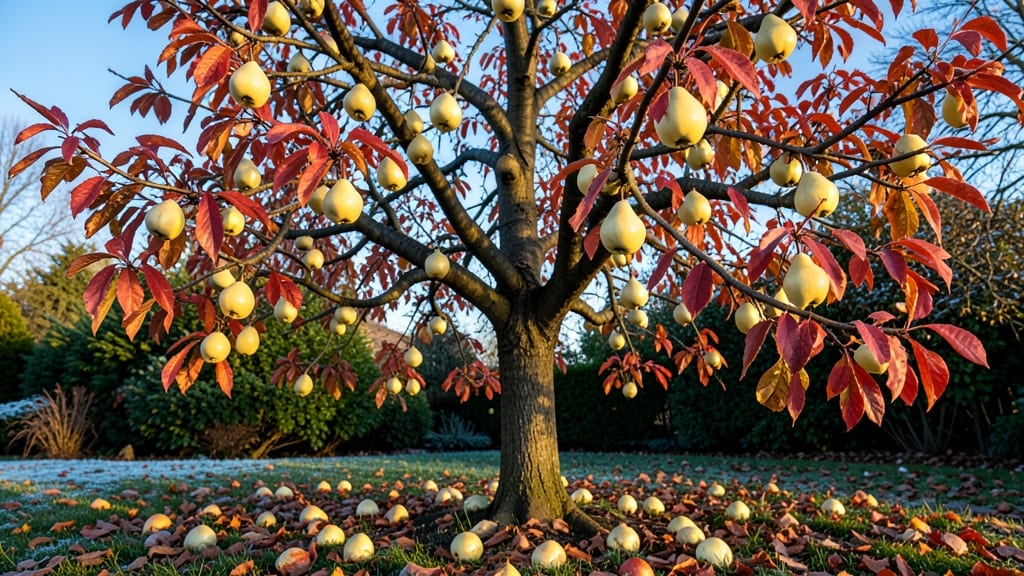
Zone 6 gardeners can still grow tropical flavors with these 10 cold-hardy exotic fruit trees. From citrus hybrids to hardy fig varieties, these fast-growing trees deliver exotic harvests without tropical climates.
Everbearing Fig Tree Cold-Hardy Variety
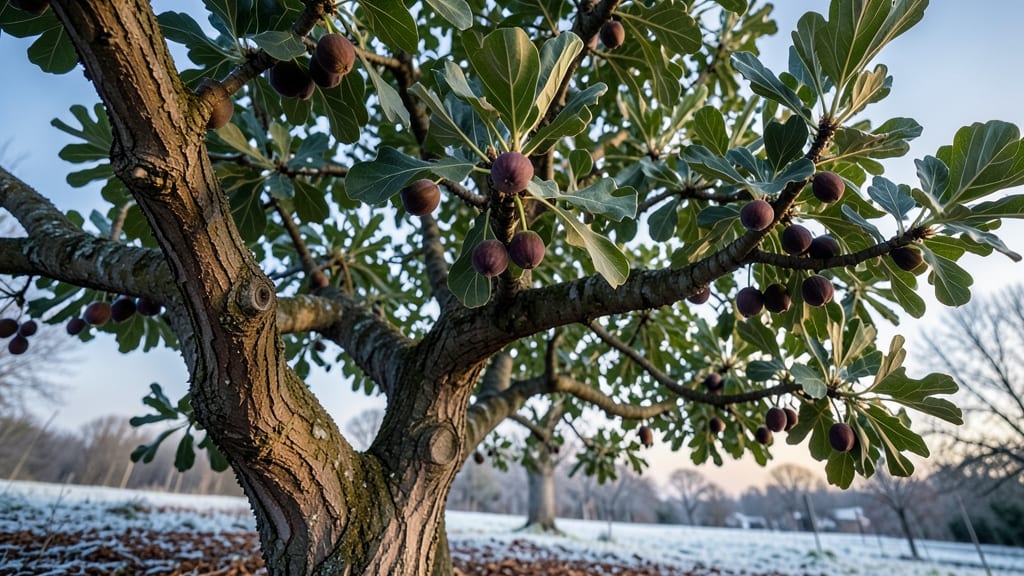
Imagine harvesting sweet figs twice a year—even in Zone 6 winters—without needing a greenhouse. The everbearing fig tree (like 'Chicago Hardy' or 'Celeste') defies expectations with its unmatched cold tolerance down to -15°F, making it the ultimate urban gardening hero.
These figs thrive in containers or in-ground plantings, producing fruit in early summer and again in fall. They love full sun (6+ hours) but adapt to partial shade, and their drought-resistant roots make them low-maintenance. Simply prune in late winter to shape the tree and protect it from late frosts. 🌟
Perfect for small spaces, balconies, or patios, this fig variety turns exotic fruit-growing into a reality for Zone 6 gardeners—no tropical climate required! 🌱
Hardy Kiwifruit Actinidia Arguta
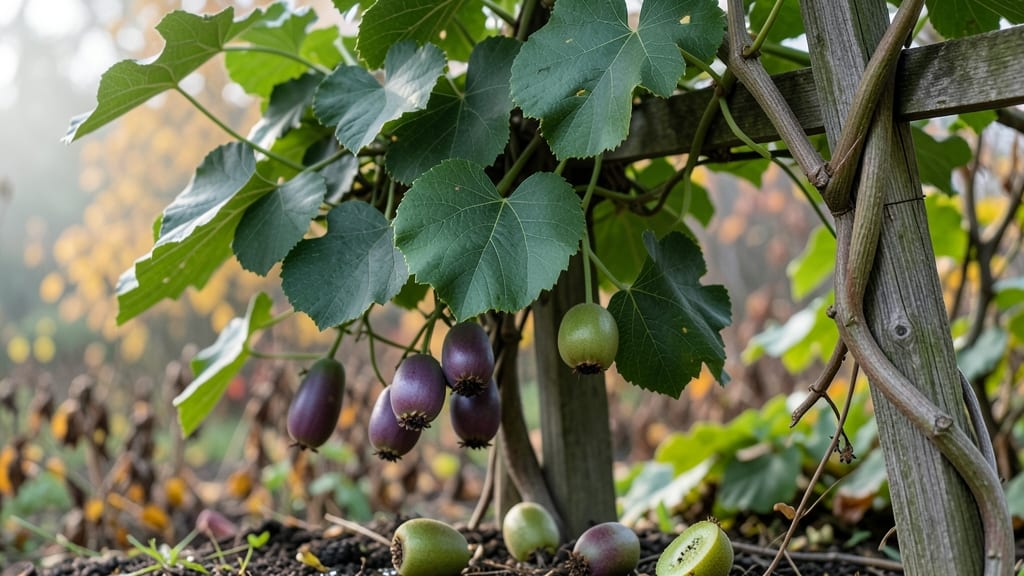
Skip the tropical greenhouse—Actinidia arguta, or hardy kiwifruit, delivers the same vibrant flavors right in your Zone 6 garden. Unlike its finicky tropical cousin, this vine thrives in cold winters, producing edible purple or green berries that ripen in late summer to fall.
With a 5-7 year harvest window (vs. 10+ for traditional kiwi), it grows aggressively on trellises or fences, reaching 20-30 feet if left unpruned. The berries—smaller than grocery store kiwis but packed with vitamin C—tolerate -25°F temperatures, making them ideal for gardeners who love flavor but hate fuss.
Perfect for small spaces or urban gardens, this vine pairs beautifully with companion plants like grapes or berries. The only catch? You’ll need both male and female vines for pollination—worth it for those tropical-tasting harvests without the tropical climate. 🌱
Cold-Resistant Meyer Lemon Tree
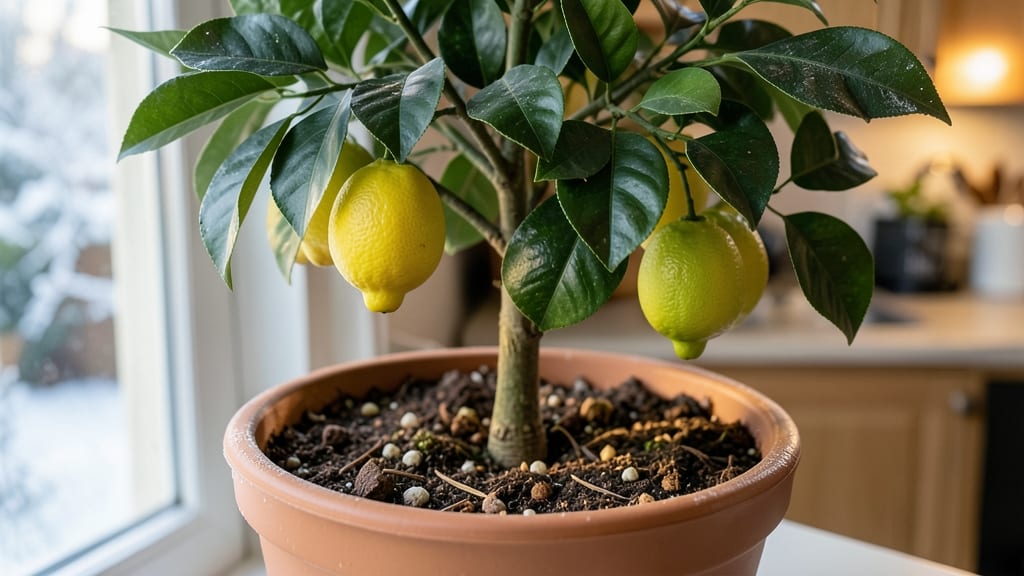
Craving fresh Meyer lemon flavor but living in Zone 6? This cold-resistant citrus hybrid delivers sweet, juicy fruit with a hint of honey—even through winter—when grown in containers and moved indoors during freezes.
Plant your Meyer lemon tree in a 15-gallon container with well-draining soil and place it in full sun during summer months. When temperatures drop below 20°F, move it to a sunny indoor spot (like a garage or basement with windows) until spring. Prune lightly in late winter to encourage bushier growth and harvest fruit year-round with proper care.
Perfect for urban gardeners or small-space growers, this tree thrives in containers and rewards you with homegrown citrus that’s sweeter and more aromatic than store-bought. 🌟
Hardy Loquat Tree Eriobotrya Japonica
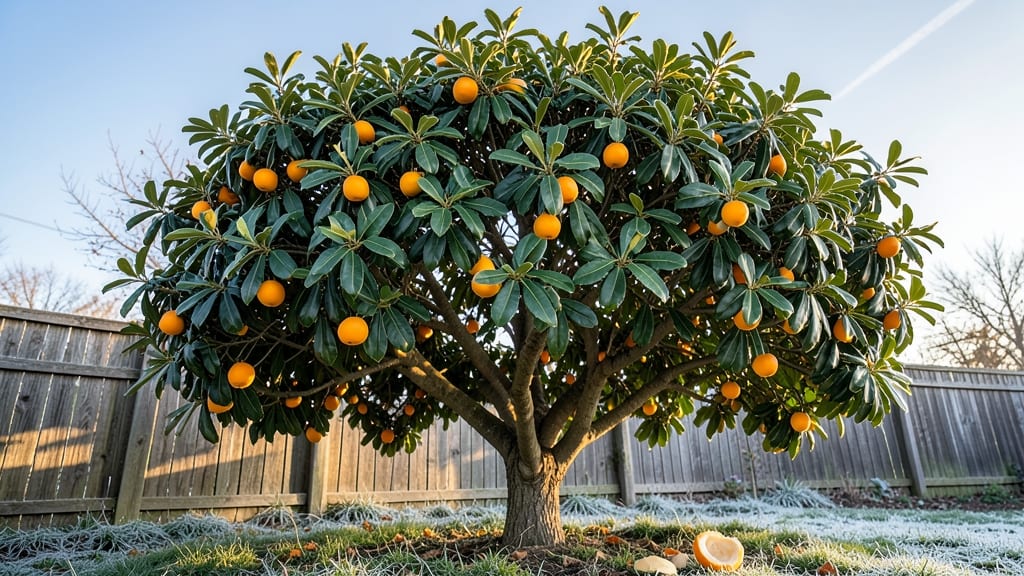
Tired of waiting for summer to enjoy tropical flavors? The loquat tree (Eriobotrya japonica) delivers sweet, custard-like fruit year-round—even in Zone 6—while keeping its glossy evergreen leaves year after year. Unlike other subtropical trees, it handles winter temperatures down to 10°F with ease, making it a standout for cold climates.
This tree thrives in full sun to partial shade and prefers well-drained soil, though it tolerates a range of conditions once established. Its fruit ripens from late fall through spring, offering a harvest when most gardens are dormant. Prune lightly in late winter to maintain shape and encourage new growth, and watch for scale insects—a common pest that can be managed with horticultural oil.
Perfect for gardeners who want tropical flavors without the fuss, the loquat tree also adds year-round interest with its dark green, leathery leaves. 🌟
Cold-Tolerant Persimmon Diospyros Virginiana
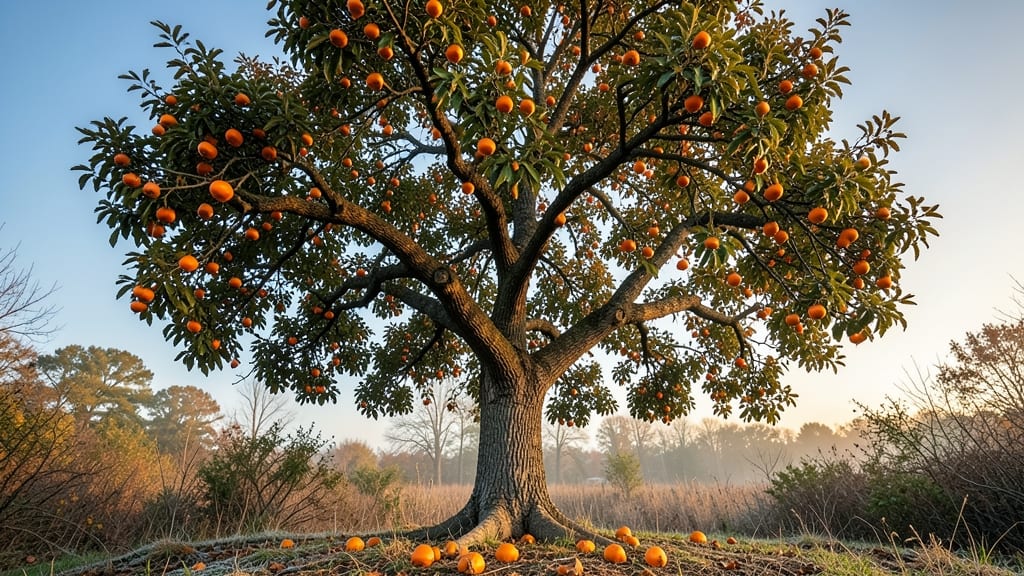
Skip the tropical climates—this native American persimmon (Diospyros virginiana) delivers sweet, orange fruit with zero fuss, even in Zone 6’s chilly winters. Unlike its Asian cousins, this hardy tree thrives in your backyard without coddling, making it the ultimate low-maintenance exotic fruit for colder regions.
Plant it in full sun to partial shade with well-drained soil, and watch as the astringent (unripe) fruit softens into a honey-sweet treat by late fall. Young trees benefit from a mulch ring to protect roots, but mature persimmons handle Zone 6 winters (-10°F to 0°F) with ease. Birds adore the fruit too, so consider netting if you want to enjoy the harvest yourself.
Perfect for homesteaders and foragers, this persimmon offers year-round interest—spring blooms, vibrant fall foliage, and edible fruit that pairs beautifully with cheese or baked goods. 🌟
Hardy Pawpaw Tree Asimina Triloba
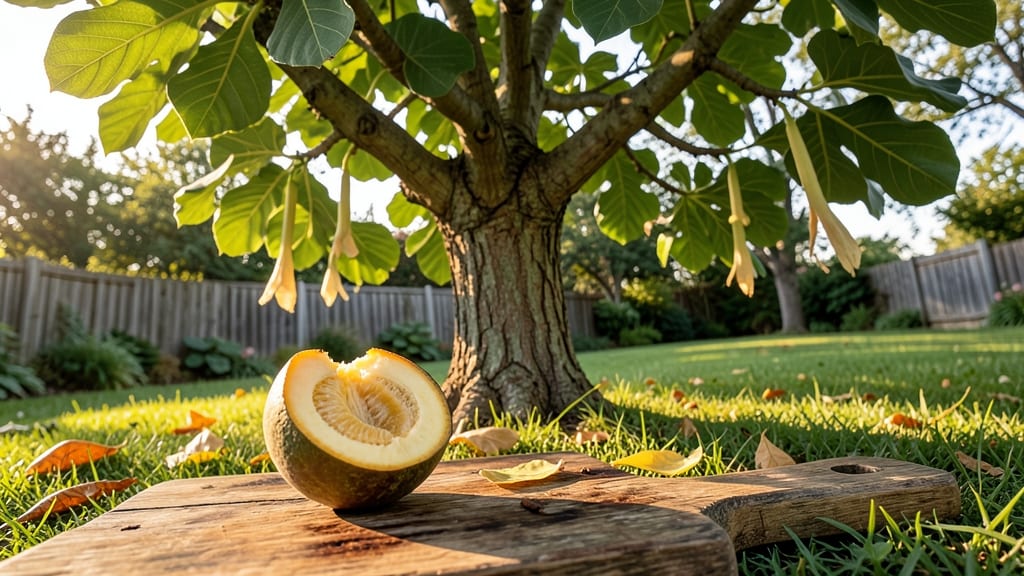
Imagine biting into a tropical-flavored fruit that grows right in your Zone 6 backyard—no greenhouse required! The pawpaw tree (Asimina triloba) delivers exactly that, producing custard-like fruit with flavors blending mango, banana, and vanilla in late summer.
This native North American tree thrives in humid Zone 6 climates, handling temperatures down to -20°F once established. Plant it in partial shade to full sun with well-drained, moist soil for best results. The large, tropical leaves create a stunning focal point, and the fruit ripens in August-September, just in time for fresh eating or baking.
Perfect for homesteaders and native plant enthusiasts, pawpaws require minimal care and reward you with a unique harvest. Plus, they attract pollinators and support local ecosystems. 🌱
Cold-Resistant Mulberry Tree Morus Alba
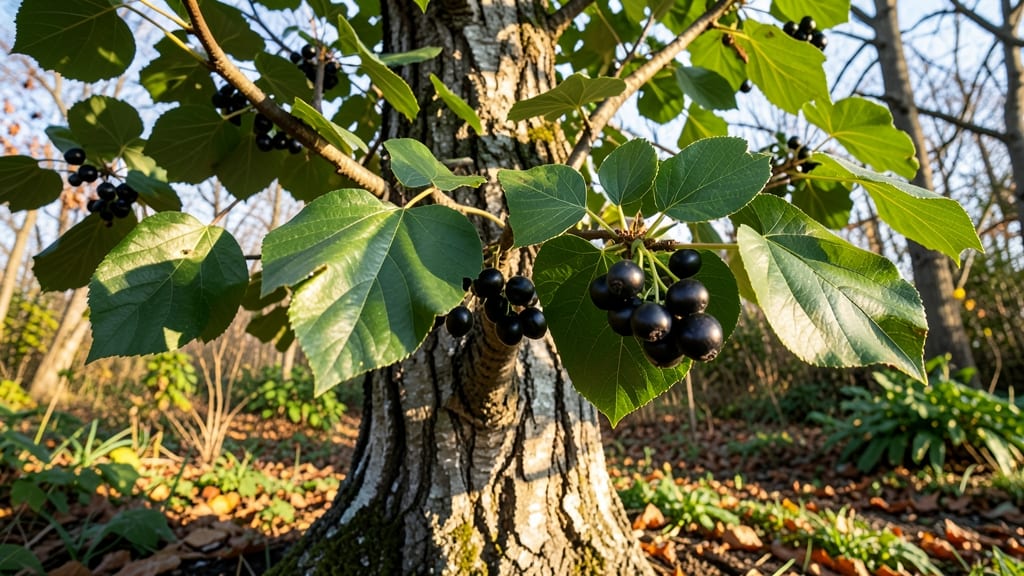
If you crave fast-growing fruit with minimal fuss, the Morus alba (white mulberry) delivers sweet black berries in just 3-5 years—no tropical climate required. This cold-hardy tree thrives in Zone 6 winters, making it a rare dual-purpose plant for both fruit and pollinator support.
Plant in full sun with well-draining soil, and watch it grow 30-50 feet tall—though dwarf varieties stay under 15 feet. The berries ripen in late summer, attracting birds and bees while providing you with edible, nutrient-rich fruit rich in antioxidants. Prune annually to shape and encourage fruit production.
Perfect for urban gardeners or homesteaders, this low-maintenance tree offers year-round benefits: shade in summer, wildlife habitat, and a harvest of tropical-tasting berries without the fuss of tender varieties. 🌻
Hardy Jujube Tree Ziziphus Jujuba
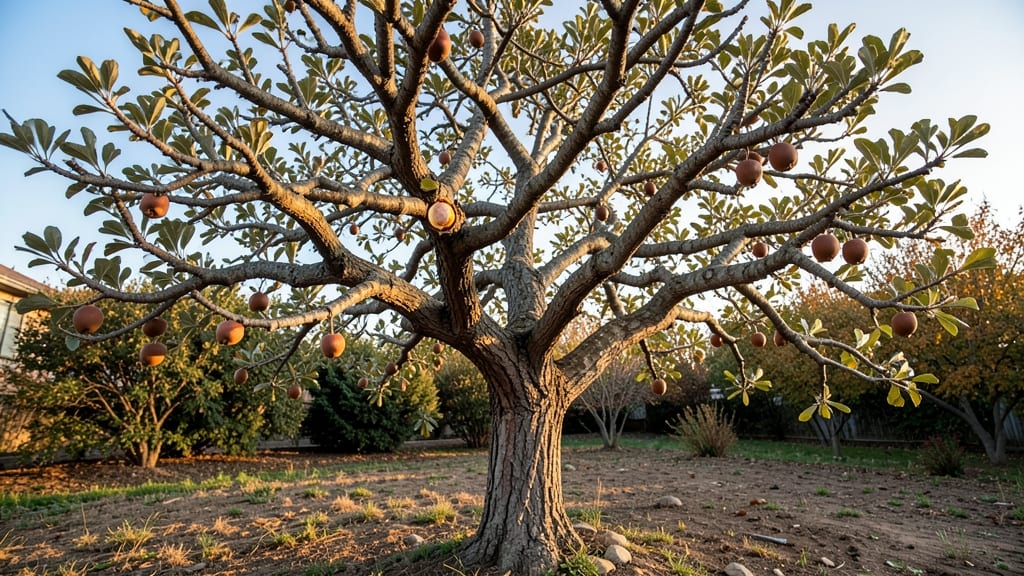
Tired of fruit trees that demand constant attention or struggle in Zone 6 winters? The jujube tree (Ziziphus jujuba) delivers sweet, apple-like fruit with almost no fuss—plus, it thrives in drought and handles -10°F winters with ease.
This drought-tolerant tree produces small, brown-skinned fruits that taste like a mix of apple and date, and they store for months at room temperature. Plant it in full sun with well-draining soil, and water only when the topsoil is dry. Unlike many exotic trees, jujubes require no winter protection beyond a light mulch.
Perfect for busy gardeners or those in arid climates, this low-maintenance tree offers both fruit and ornamental value with its spiky branches and glossy leaves. 🌻
Cold-Hardy Pomegranate Tree Punica Granatum
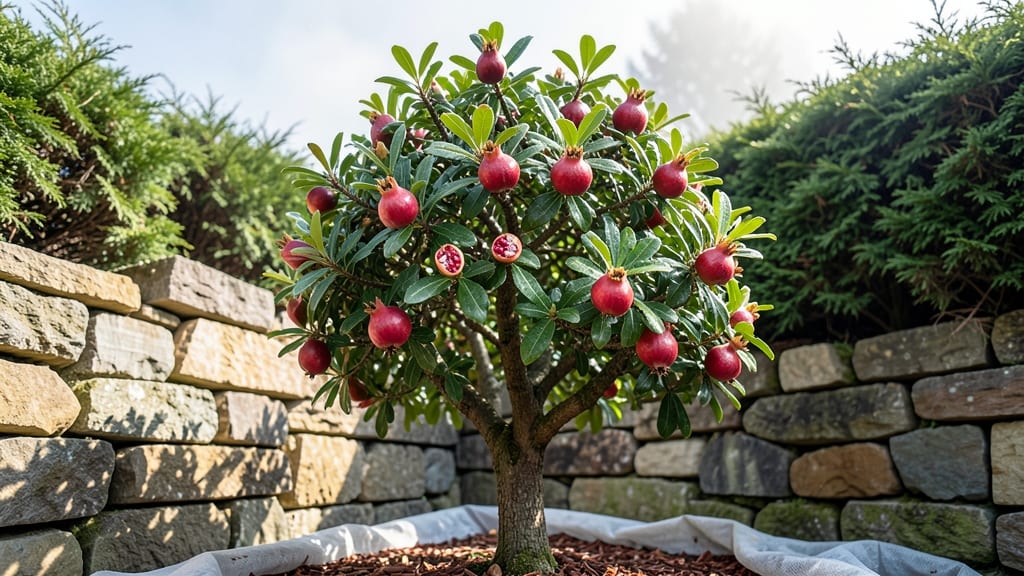
Want to grow pomegranates in Zone 6? Dwarf varieties like 'Wonderful' or 'Eversweet' can thrive with the right strategy—sheltered microclimates and winter protection make all the difference. These compact trees (6-10 feet tall) produce those iconic vibrant red fruits even in colder climates, offering a Mediterranean taste without the heat.
Plant your pomegranate tree in well-draining soil with full sun exposure (6+ hours daily). In fall, wrap the trunk with burlap or use a tree blanket to shield it from harsh winds and temps below 10°F. Prune lightly in late winter to encourage bushier growth and better fruit production. With these steps, you’ll enjoy homegrown pomegranates by late summer or early fall.
This tree is ideal for small gardens, containers, or urban patios—perfect for gardeners who love bold flavors but limited space. The drought-tolerant nature means less watering once established, too! 🌻
Hardy Asian Pear Pyrus Calleryana

Looking for a Zone 6 fruit tree that delivers both beauty and harvest? The Asian pear (Pyrus calleryana) is a standout choice, offering crisp white fruit and stunning fall foliage that turns fiery red—all while handling winters down to -10°F. Unlike traditional pears, this variety thrives in colder climates with minimal fuss.
Plant in full sun with well-draining soil, and expect rapid growth (up to 3 feet per year). The fruit ripens in late summer, with a flavor profile between a pear and apple—perfect for fresh eating or baking. Prune lightly in late winter to maintain shape, and watch as the tree becomes a four-season showstopper.
Ideal for homeowners who want low-maintenance fruit production paired with ornamental value, this tree works beautifully in yards, parks, or even large containers. 🌟