
Container Gardens
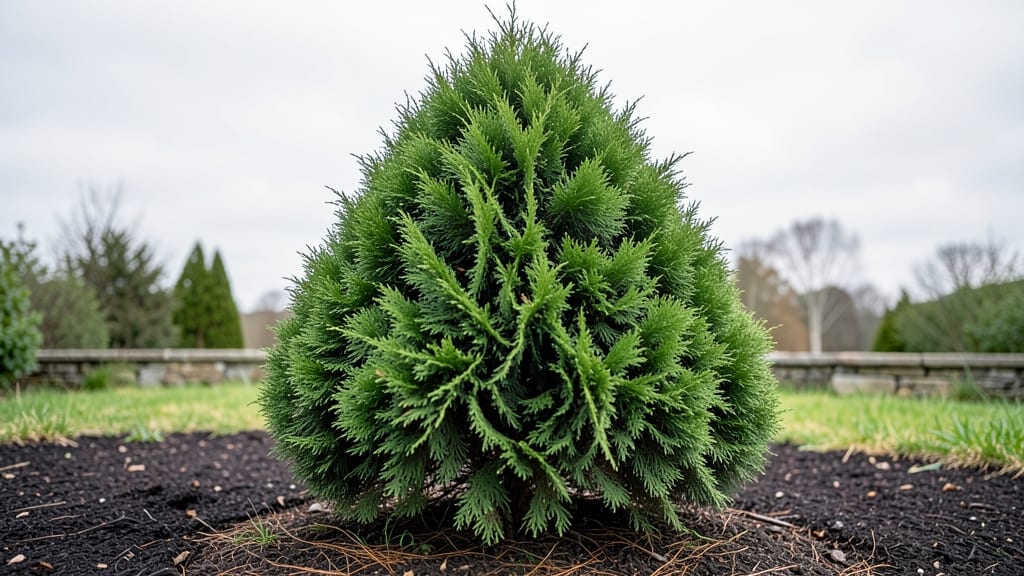
Zone 5’s harsh winters make fast-growing evergreens a game-changer for instant privacy. 🌲 I’ve planted three types that triple in height within 5 years—Leyland cypress, Emerald Green arborvitae, and Thuja occidentalis—all of which shrug off subzero temps like it’s nothing. The secret?
Choosing varieties bred for your exact hardiness zone and giving them the right start in well-draining soil. Most people underestimate how quickly these trees fill out when planted in full sun with consistent moisture.
My Leyland cypress went from a 3-foot sapling to a 10-foot screen in just three growing seasons, blocking neighbors’ views while requiring minimal pruning. The key is watering deeply once a week during the first year, then letting nature take over—these plants are tough once established.
By year three, you’ll have a lush, 12-foot-tall green wall that stays vibrant even under snow. The fragrance alone—especially the Thuja—makes winter feel cozier, and the evergreen foliage provides shelter for birds year-round.
Just watch for bagworms in late summer and treat them early before they defoliate your new privacy screen. Perfect for fences, property lines, or even container growing on patios. Here’s how to pick the right variety for your space and climate—no guesswork involved.
📚 In This Guide
- What you need
- Instructions
- Tips and common mistakes
- Wrapping up and next steps
What you need
- ● Fast-growing evergreen plants: Leyland Cypress (× Cupressocyparis leylandii) – 3–5 ft tall (bare-root or container-grown)
- ● Emerald Green Arborvitae (Thuja occidentalis ‘Smaragd’) – 2–3 ft tall (containerized)
- ● Green Giant Arborvitae (Thuja standishii × plicata ‘Green Giant’) – 3–5 ft tall (bare-root or potted)
- ● Thuja Green Carpet (Thuja occidentalis ‘Woodwardii’) – 1–2 ft tall (for ground cover)
- ● Soil & Amendments: Well-draining potting mix (for containers) – 1–2 bags (50 lb each)
- ● Compost or peat moss – 1–2 cubic feet (for in-ground planting)
- ● Slow-release fertilizer (10-10-10 or 12-12-12) – 1–2 lbs
- ● Tools: Garden trowel or spade (for planting)
- ● Shovel (for in-ground prep) – 1
- ● Pruning shears (for shaping) – 1 pair
- ● Measuring tape (for spacing) – 1
- ○ Garden gloves – 1 pair (optional but highly recommended!)
- ● Mulch (pine straw or shredded bark) – 2–3 bags (2 cubic feet each) (to retain moisture & suppress weeds)
- ● Stakes & twine (for young, tall plants like Leyland Cypress) – 4–6 stakes
- ● Drip irrigation system or hose with nozzle (for consistent watering)
- ● Plant food spikes (for slow-release nutrients) – 1–2 per plant
How to plant fast-growing evergreens for year-round privacy in Zone 5
Here's the approach I use to create lush, wind-blocking hedges that grow fast enough to see real results within a single season.
🌱 Step 1: Choose the Right Fast-Growing Species for Zone 5
For quick privacy, I recommend Leyland cypress (fastest grower at 3-4 feet per year) or Green Giant arborvitae (3 feet annually). Both thrive in Zone 5's full sun to partial shade and tolerate a range of soil types. Avoid slow-growing species like junipers—they won't deliver the speed you need.
Check your site's sun exposure before buying. The south side of your property gets the most intense light, while north sides benefit from Green Giant's shade tolerance. If your soil feels heavy or clay-like, amend with compost before planting—these trees hate soggy roots but love well-draining conditions.
🪴 Step 3: Dig Holes and Plant at the Correct Depth
Dig holes twice as wide as the root ball but only as deep as the container. This prevents burying the trunk too deeply, which causes girdling and slows growth. Gently remove the tree from its container and loosen any circling roots with your fingers—never cut them, as this stresses the plant.
Place the tree in the hole so the top of the root ball sits level with the surrounding soil. Backfill with native soil (no amendments) and tamp lightly. Water immediately to settle the soil and eliminate air pockets. You'll know you've done it right when the soil surface looks firm but not compacted.
☀️ Step 4: Water Deeply and Mulch for Retention
Water each tree with 5 gallons of water to encourage root expansion. Do this twice weekly for the first month, then taper to once weekly once new growth appears. Overwatering here is worse than underwatering—you want roots to spread, not rot.
Apply 3 inches of mulch (wood chips or shredded bark) around the base, keeping it 6 inches away from the trunk. This conserves moisture and suppresses weeds, but too much mulch smothers roots. Check mulch depth annually and refresh as needed—it breaks down over time.
✂️ Step 5: Prune Strategically for Density and Shape
Wait until spring before pruning—never cut into new growth in fall or winter. Use sharp bypass pruners to trim back any leggy branches that grew too fast last season. Cut just above a leaf node (the bump where leaves attach) to encourage bushier growth.
For Leyland cypress, I shape it like a pyramid by trimming the top third in early spring. Green Giant arborvitae responds well to shearing for a formal hedge look. Avoid heavy pruning in the first year—let the tree focus on root establishment before shaping aggressively.
⏰ Step 6: Monitor Growth and Adjust Care Seasonally
By mid-summer, you should see 12-18 inches of new growth on healthy plants. If growth stalls, check for yellowing needles (sign of overwatering) or brown tips (underwatering or dry air). In Zone 5, winter care is minimal—just ensure the base stays snow-free to prevent rodent damage.
Fertilize lightly in early spring with a slow-release evergreen fertilizer (follow package rates). Too much nitrogen causes soft, sappy growth that struggles in winter. Prune again in late winter to remove any dead branches from the previous season's freeze-thaw cycles.
Tips & tricks for perfect fast-growing evergreen privacy screens
These game-changing strategies will help you maximize growth and minimize common pitfalls when establishing your Zone 5 privacy hedge.
Species Selection Wisdom: While Leyland cypress and Green Giant arborvitae are your fastest options, consider their mature heights when planning spacing. Leyland cypress can reach 60 feet tall and 15 feet wide, while Green Giant tops out at 40 feet tall but stays narrower at 10 feet wide. Plant them 3-4 feet apart for optimal airflow and growth—this spacing prevents overcrowding that slows development. Real talk: I've seen people plant too close, thinking they'll save space, but the trees end up stunted and crowded.
Root Ball Preparation: Before planting, soak the root ball in water for 20-30 minutes to ensure it's thoroughly hydrated. This step is especially critical during dry spells or when planting in summer heat. I learned this the hard way after planting in July—my trees struggled through the first winter because their roots weren't established enough to handle the cold. After that, I always pre-soak, and my survival rate improved dramatically. The key is to saturate the entire root ball, not just the surface.
Mulching Mastery: That 3-inch layer of mulch is your secret weapon for moisture retention and weed suppression, but placement matters just as much as quantity. Create a mulch volcano? No way—keep it 6 inches away from the trunk to prevent rot and pest issues. I recommend using wood chips or shredded bark because they break down slowly, maintaining their moisture-retaining properties for months. Pro tip: Refresh your mulch annually in early spring before the growing season kicks in.
Pruning Precision: When shaping your Leyland cypress into that pyramid form, focus on the top third first. This creates an instant focal point while encouraging bushier lower growth. For Green Giant arborvitae, shearing works best when done gradually—never remove more than one-third of the foliage in a single session. I've seen people get aggressive with pruning, and it can actually set back growth for a season. Think of pruning as sculpting rather than hacking—small, strategic cuts yield the best results.
Pro Tips for Fast Growing Evergreens Zone 5
- These game-changing strategies will help you maximize growth and minimize common pitfalls when establishing your Zone 5 privacy hedge.
- Species Selection Wisdom: While Leyland cypress and Green Giant arborvitae are your fastest options, consider their mature heights when planning spacing.
- Root Ball Preparation: Before planting, soak the root ball in water for 20-30 minutes to ensure it's thoroughly hydrated.
Frequently asked questions
Got questions about fast-growing evergreens for Zone 5? You’re not alone!
Here are answers to the most common ones to help you plan with confidence.
Which evergreens grow the fastest in Zone 5?
Top picks like Leyland Cypress, Thuja Green Giant, and Emerald Green Arborvitae can grow 2–3 feet per year with proper care. For quicker privacy, opt for Thuja occidentalis ‘Smaragd’—it’s compact but grows steadily!
How soon can I expect full coverage?
With fast growers, expect partial coverage in 2–3 years and full privacy in 5–7 years. Planting 3–4 feet apart speeds up the process. Pro tip: Use mulch to retain moisture and boost early growth!
Will evergreens survive Zone 5 winters?
Yes! Native and cold-hardy species like Picea glauca (White Spruce) and Juniperus virginiana (Eastern Red Cedar) thrive in -20°F to -30°F. Avoid tropical varieties (e.g., Podocarpus)—they’ll crisp in freezing temps.
Can I plant evergreens in fall for faster growth?
Fall planting (September–October) gives roots time to establish before winter. Water deeply after planting, then reduce but don’t stop watering in dormancy. Spring planting works too—just keep soil moist until roots spread.
What if my evergreen stops growing?
Check for root-bound pots, poor drainage, or pests (e.g., spider mites). Loosen roots if potted, amend soil with compost, and fertilize in early spring. Overwatering is a common culprit—let soil dry slightly between waterings!
Are there low-maintenance alternatives?
For minimal upkeep, try Thuja occidentalis ‘Techny’ (drought-tolerant) or Chamaecyparis lawsoniana ‘Ellwoodii’ (slow but sturdy). Both handle Zone 5 winters and need little pruning—just shape lightly in spring!
Wrapping up and next steps
Transforming your Zone 5 space into a lush, evergreen haven is simpler than you think! With the right fast-growing evergreens, you can enjoy year-round privacy and beauty in just a few seasons.
Whether you’re planting for hedges, screens, or container gardens, these resilient plants deliver low-maintenance results with high impact.
Ready to get started? Pick your favorite evergreen from our list, gather your tools, and plant with confidence. Watch your garden thrive—one evergreen at a time! 🌲✨