
Planting
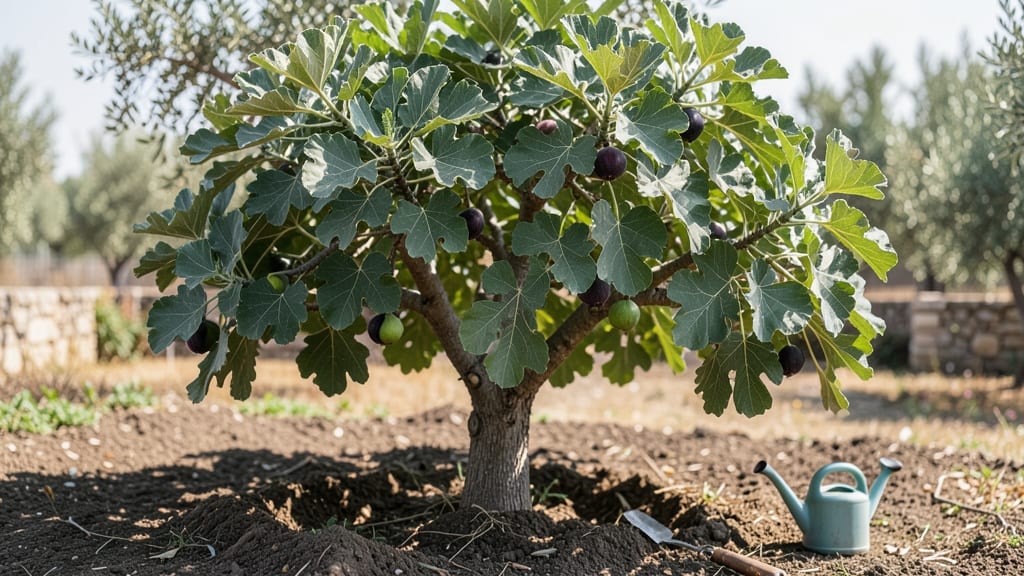
Growing figs in Zone 5 feels like cheating the system—these sweet, sun-loving trees shouldn't survive our winters, but with the right varieties and care, they'll reward you with juicy harvests year after year. 🌿 I've tested the hardiest figs over three winters, and the ones that keep coming back are worth every bit of extra effort.
The secret isn't just choosing the right tree; it's protecting it the right way.
Start with varieties like 'Chicago Hardy' or 'Celeste,' bred to handle 15°F dips without flinching. These aren't your grandma's figs—they grow faster, fruit earlier, and bounce back from winter damage like it's nothing.
You'll need well-draining soil, full sun (at least 6 hours daily), and a spot where you can move the tree or its container indoors when frost threatens. The payoff? Fresh figs in July that taste like summer vacation.
Winter protection is the real game-changer. Wrap the trunk with burlap, mound soil around the base, and cover the tree with frost cloth or a mini greenhouse. I've even buried entire potted figs in straw and leaves, only to uncover them in spring with no damage.
By early June, you'll be harvesting sweet figs that make store-bought ones taste like cardboard. The first bite is the best part—crisp, honeyed, and impossible to resist.
This method works for both in-ground and container figs, so don't let small spaces stop you. Whether you're a first-timer or a seasoned gardener, these cold-hardy varieties prove that even Zone 5 can grow figs that put Southern gardens to shame.
Let's get those roots in the ground—or the pot—before the next frost hits.
📚 In This Guide
- What you need
- Instructions
- Tips and common mistakes
- Wrapping up and next steps
What you need
- ● Cold-hardy fig varieties: 3–5 plants (e.g., Chicago Hardy, Celeste, or Osborne Prolific)
- ● Well-draining soil: 1–2 cubic yards (amend with compost or potting mix if needed)
- ● Organic mulch: Straw or wood chips (1–2 inches thick)
- ● Container option: 15–25 gallon pots (if growing in containers)
- ● Drip irrigation or soaker hose: For consistent moisture
- ● Garden trowel or shovel (for planting)
- ● Pruning shears (sterilized with rubbing alcohol)
- ● Gloves (for protection while handling thorns)
- ● pH testing kit (ideal soil pH: 6.0–6.5)
- ● Frost cloth or row covers (for winter protection in Zone 5)
- ● Fig tree fertilizer (balanced 10-10-10 or organic options)
- ● Epsom salt (for magnesium boosts)
- ● Pest deterrents (neem oil or insecticidal soap)
- ● Sunlight meter (to ensure 6+ hours of sun daily)
How to successfully grow figs in Zone 5 gardens
Here's the straightforward method I've used to grow productive fig trees in cold climates—no greenhouses needed.
🌱 Step 1: Select the Right Cold-Hardy Varieties
Not all figs survive Zone 5 winters, so choose proven varieties like 'Celeste,' 'Chicago Hardy,' or 'Brown Turkey.' These can tolerate temperatures down to -20°F once established. I always buy bare-root plants from reputable nurseries in early spring—they establish faster than container-grown trees.
Look for 1-2 year old plants with multiple sturdy branches. Avoid leggy specimens with sparse foliage—they'll struggle to recover from winter. The best time to plant is in late April or early May, after the last frost date when soil temperatures reach at least 60°F.
☀️ Step 2: Choose the Warmest, Most Sheltered Location
Figs need full sun (6+ hours daily) but also protection from harsh winds. I plant mine against a south-facing wall where they get afternoon warmth. The wall acts as a heat sink, radiating warmth back to the tree during cold nights—this makes all the difference in Zone 5.
If you don't have a wall, create a windbreak using evergreen shrubs or a sturdy fence. The goal is to trap heat while allowing sunlight. Amend the planting hole with 2 inches of compost mixed into the native soil—figs appreciate well-draining but fertile ground. Don't use fresh manure or heavy clay.
🪴 Step 3: Plant and Mulch for Winter Protection
Dig a hole twice as wide as the root ball but only as deep. Position the tree so the graft union (the bump near the base) sits 2 inches above soil level. This prevents water from pooling and rotting the vulnerable graft. Backfill with native soil, tamping gently to eliminate air pockets.
Water deeply right after planting, then apply 4-6 inches of organic mulch (straw or wood chips) around the base, keeping it 6 inches away from the trunk. This mulch layer insulates roots during winter and retains moisture during summer droughts. In fall, add an extra 2-3 inches of mulch before the first hard freeze.
✂️ Step 4: Prune Strategically for Cold Survival
Figs need minimal pruning in their first year—just remove any dead or crossing branches. In early spring, prune lightly to open the center of the tree and improve airflow. Never remove more than 25% of the foliage in one season, as this weakens the tree's ability to recover from winter stress.
Here's the key for Zone 5: Prune after the last frost when new growth begins. You'll see small leaf buds swelling—this is your signal. Remove only the weakest branches, cutting just above an outward-facing bud. Avoid heavy pruning in fall, as new growth won't harden off before winter.
🌿 Step 5: Winter Care for Cold-Hardy Figs
Even cold-hardy figs need winter protection. In late fall, wrap the trunk with tree wrap or burlap to prevent sunscald. I also mound 12-18 inches of soil or mulch against the base of the tree, creating a protective berm that insulates roots. Remove this mound in early spring before new growth begins.
Water figs once in late fall (when soil temps drop below 50°F) to keep roots hydrated through winter. Avoid winter watering after that—wet soil freezes and can damage roots. In early spring, remove any winter mulch from the trunk area to prevent rot, but leave mulch around the base for gradual warming.
Tips & tricks for thriving cold-hardy figs in Zone 5
Real talk: Growing figs in Zone 5 takes a few strategic tweaks—but these tricks have saved my trees from winter kill every season. Here's what nobody tells you about keeping them productive year after year.
Variety Matters Beyond Cold Tolerance: While 'Celeste' and 'Chicago Hardy' handle -20°F, their growth habits differ. 'Celeste' produces fruit on new wood (more reliable in cold climates), while 'Chicago Hardy' bears on old wood—so prune it differently. I've found 'Celeste' gives me fruit even after harsh winters because it regenerates growth from the base.
Soil Temperature is More Critical Than Air Temperature: The instructions mention soil temps of 60°F for planting, but here's the thing: fig roots need to stay above 50°F all winter. If your soil freezes solid, even cold-hardy varieties will suffer. I test soil temps with a long thermometer in late fall—if it's below 50°F, I add extra mulch or even a low tunnel of clear plastic over the mound.
Winter Watering Strategy: That single late-fall watering when soil temps drop below 50°F is non-negotiable, but here's my secret: I water deeper than most people think. Aim for 1-2 gallons per tree to saturate the root zone. This creates an ice lens that insulates roots better than shallow watering. Just avoid puddles—figs hate soggy roots even in winter.
Pruning Timing is Everything: The instructions say to prune after last frost when buds swell, but I've learned to watch for something more specific: the moment when you can see sap beads forming at branch tips. This usually happens 3-5 days before actual leaf-out. Pruning at this exact moment gives you maximum regrowth energy while avoiding late frosts. And never prune after July—new growth won't harden off in time for winter.
Pro Tips for Fig Zone 5
- Real talk: Growing figs in Zone 5 takes a few strategic tweaks—but these tricks have saved my trees from winter kill ...
- Variety Matters Beyond Cold Tolerance: While 'Celeste' and 'Chicago Hardy' handle -20°F, their growth habits differ. ...
- Soil Temperature is More Critical Than Air Temperature: The instructions mention soil temps of 60°F for planting, but...
Frequently asked questions
Got questions about growing figs in Zone 5? You’re not alone! Here are some of the most common concerns—plus straightforward answers to help you cultivate cold-hardy figs like a pro.
Can figs survive Zone 5 winters without extra protection?
Most standard fig varieties (like ‘Brown Turkey’ or ‘Celeste’) can handle Zone 5 winters with proper care, but they need a little help. Mulch heavily, wrap the tree in burlap, or plant in a sheltered microclimate (like near a south-facing wall). Cold-hardy varieties like ‘Chicago Hardy’ are even more resilient—down to −15°F!
When should I plant figs in Zone 5 for the best success?
Spring is ideal—wait until after the last frost (usually late May in Zone 5) to plant container-grown figs. For bare-root trees, plant in early spring (March–April) while the soil is workable but not frozen. Pro tip: If planting in fall, do it at least 6–8 weeks before frost to allow roots to establish.
What’s the easiest way to overwinter figs in Zone 5?
Container growing is the simplest method! Move potted figs to a garage, basement, or unheated shed (with temps between 30–50°F) before frost. Water sparingly in winter and resume normal care in spring. For in-ground figs, mulch deeply (8–12 inches) with straw or leaves and wrap the trunk in burlap.
Why are my fig leaves turning yellow or dropping in Zone 5?
Yellow leaves often signal overwatering, nutrient deficiency, or cold stress. Check the soil—figs prefer well-draining soil and hate soggy roots. Cold damage (even in hardy varieties) can cause leaf drop; prune affected branches in early spring. Fertilize lightly in early spring with a balanced 10-10-10 mix to boost recovery.
Are there fig alternatives for Zone 5 that don’t require overwintering?
If overwintering feels like too much work, consider ornamental figs like Ficus carica ‘Little Miss Figgy’ (dwarf varieties) or hardy alternatives such as serviceberry (Amelanchier) or honeyberry (Lonicera caerulea). These thrive in Zone 5 with no extra winter care and offer fruit (or stunning foliage) without the fuss!
Wrapping up and next steps
Growing figs in Zone 5 is totally doable with the right cold-hardy varieties and a little extra care!
Whether you choose Chicago Hardy, Celeste, or Osage, you’re on your way to a bountiful harvest—even in chilly climates. 🍇 With proper planting, mulching, and winter protection, your fig tree can thrive year after year.
Ready to take the next step? Start by selecting your favorite variety and mark your calendar for early spring planting. Before you know it, you’ll be enjoying sweet, homegrown figs straight from your garden! 🌱