
Shrubs
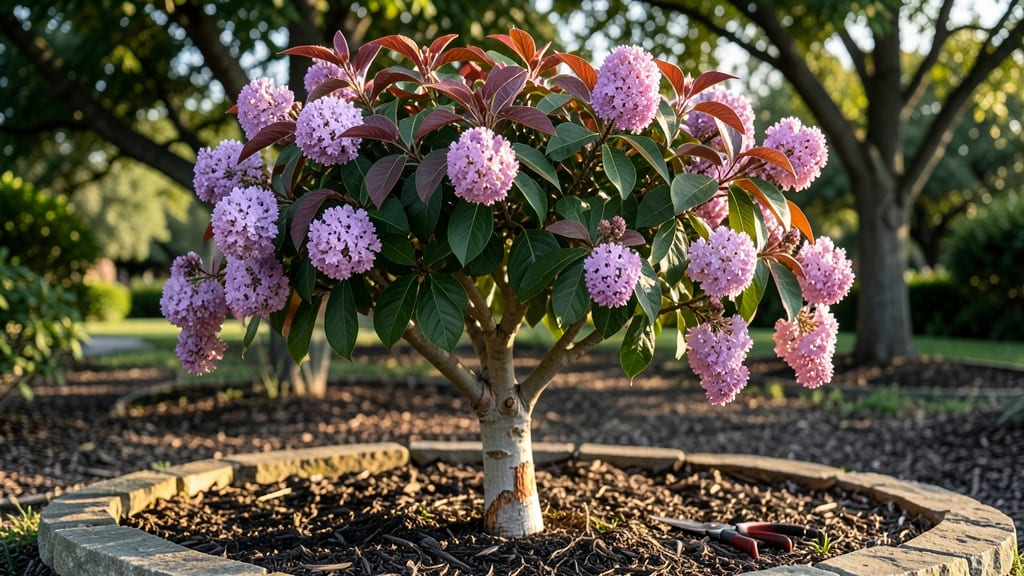
Zone 9’s relentless sun and heat demand flowering bushes that won’t wilt by noon. 🌿 I’ve tested dozens—from bougainvillea’s papery blooms to abelia’s fragrant clusters—and these are the ones that survive (and thrive) when others give up. The secret? Picking varieties bred for heat, drought, and our long growing season.
Most Zone 9 bushes need 6+ hours of sun daily but hate soggy soil—think well-draining, sandy loam mixed with compost. Water deeply 2-3 times per week until established, then cut back to once weekly.
Prune right after flowering to encourage bushier growth, and always use clean, sharp shears to avoid disease.
You’ll end up with a garden that stays vibrant through 100°F+ days—think bougainvillea’s magenta cascades, hibiscus’ dinner-plate blooms, or abelia’s pink clusters that perfume the air. These plants reward patience with year-round interest, from spring’s first flush to winter’s bare branches that still hold shape.
For beginners, start with bougainvillea (drought-proof once established) or dwarf gardenia (fragrant and low-maintenance). Both handle our heat like champs and need minimal fuss. Let’s get your Zone 9 garden blooming reliably—no wilting in sight.
📚 In This Guide
- What you need
- Instructions
- Tips and common mistakes
- Wrapping up and next steps
What you need
- ● Flowering bushes: Choose 3–5 Zone 9-friendly varieties (e.g., Abelia, Gardenia, Camellia, or Lantana). Opt for 1–3 gallon containers for mature plants or seeds/pelletized seed packs for DIY growers.
- ● High-quality potting mix: 1–2 cubic yards (or 5–10 bags) of well-draining, organic-rich soil (e.g., Miracle-Gro Garden Soil or FoxFarm Ocean Forest). For in-ground planting, amend native soil with 2–3 inches of compost.
- ● Fertilizer: Slow-release granular: 10–20 lbs (e.g., Osmocote Smart-Release 14-14-14 for balanced growth).
- ● Organic option: 5–10 lbs of fish emulsion or bone meal (for phosphorus-rich blooms).
- ● Mulch: 2–3 bags of pine bark fines or cypress mulch (3–4 inches deep) to retain moisture and regulate soil temp.
- ● Tools: Trowel or hand shovel
- ● Garden gloves (1 pair)
- ● Pruners (bypass pruners for clean cuts)
- ● Watering can or hose with adjustable nozzle
- ● Measuring tape (for spacing)
- ● Soil test kit: To check pH (aim for 6.0–7.0 for most flowering bushes).
- ● Epsom salt: 1–2 lbs (for magnesium boost, especially for Camellias or Hydrangeas).
- ● Drip irrigation system: For automated watering (Zone 9’s heat demands consistency!).
- ● Plant supports: Stakes or cages for tall varieties like Bougainvillea.
- ● Slow-release water crystals: 1–2 lbs (e.g., Poly-Hydro) to reduce watering frequency.
How to select and plant flowering bushes for Zone 9 year-round success
Zone 9’s warm winters and long growing season make it perfect for flowering shrubs—but choosing the right varieties and planting them properly is key to vibrant, low-maintenance beauty.
🌿 Step 1: Choose Compact, Heat-Tolerant Varieties
Focus on shrubs that thrive in Zone 9’s 25-30°F winters and 90°F+ summers. My top picks include Abelia ‘Kaleidoscope’ (pink-white blooms), Dwarf Gardenia ‘Kleim’s Hardy’ (fragrant white flowers), and Texas Sage ‘Green Cloud’ (silver foliage with purple blooms). These stay compact—3-6 feet tall—without needing constant pruning.
Check each plant’s USDA heat tolerance before buying. Some tropical-looking bushes (like hibiscus) struggle in Zone 9’s heat unless given afternoon shade. I always verify sunlight needs—full sun for most, but morning sun only for heat-sensitive varieties like Camellia sasanqua.
🪴 Step 2: Prepare the Planting Site for Year-Round Health
Test your soil’s pH (6.0-7.0 ideal) and amend with 2-3 inches of compost mixed into the top 12 inches of soil. Zone 9’s clay-heavy soils often need 50% organic matter to prevent waterlogging. I dig a hole twice as wide as the root ball but only as deep—planting too deep suffocates roots.
For well-draining soil, add a 1-inch layer of coarse sand at the bottom of the hole. Mulch with 3 inches of shredded bark (not wood chips) to retain moisture and regulate soil temperature. Keep mulch 6 inches away from stems to prevent rot—this is a common mistake that kills young bushes.
☀️ Step 3: Plant and Water for Immediate Establishment
Remove the bush from its container and loosen roots if they’re circling. Place it in the hole so the top of the root ball sits level with the soil—never bury the stem. Backfill with native soil, pressing gently to eliminate air pockets. Water deeply (1 gallon per plant) to settle the soil.
After planting, water every 2-3 days until new growth appears (usually 4-6 weeks). Overwatering now causes root rot, while underwatering stresses the plant. I use drip irrigation to deliver moisture directly to roots—surface watering wastes water and encourages fungal diseases in Zone 9’s humidity.
✂️ Step 4: Prune for Shape and Seasonal Blooms
Prune right after flowering to shape the bush and encourage next season’s blooms. For spring-flowering varieties (like Abelia), cut back 1/3 of the oldest stems to stimulate new growth. For summer-bloomers (like Texas Sage), trim lightly (10-15%) to maintain shape without sacrificing flowers.
Use clean, sharp pruners to make 45-degree cuts just above a leaf node. Avoid cutting into old wood—new growth emerges from the outer 1/3 of the stem. In Zone 9, prune late winter (February) to remove deadwood and shape for spring. This prevents pests from hiding in dense foliage during winter.
🌱 Step 5: Fertilize and Protect for Long-Term Beauty
Apply a slow-release, balanced fertilizer (10-10-10) in early spring and mid-summer. Zone 9’s heat burns plants if fertilized too late—stop by August 1st to avoid encouraging tender new growth before winter. I use organic compost tea every 6 weeks for a gentle nutrient boost without salt buildup.
Watch for aphids or spider mites (common in Zone 9’s dry heat). Spray affected areas with neem oil (mix 1 tbsp per gallon of water) at dusk to avoid harming pollinators. Healthy bushes need minimal intervention—if you’re pruning more than once a year or fertilizing heavily, the plant isn’t suited to Zone 9’s climate.
Tips & tricks for thriving Zone 9 flowering bushes
These practical insights will help your flowering shrubs flourish in Zone 9's challenging climate without the guesswork.
Variety Selection: When choosing your compact bushes, prioritize those with USDA heat zone ratings of 9 or higher. The Abelia 'Kaleidoscope' and Texas Sage 'Green Cloud' are particularly resilient—their ability to handle 90°F+ temperatures makes them standout performers. I always cross-reference with local nursery recommendations, as microclimates within Zone 9 can vary significantly. For example, coastal areas may handle more tropical varieties than inland desert regions.
Soil Preparation: The 2-3 inches of compost mixed into the top 12 inches of soil is non-negotiable for Zone 9's clay-heavy conditions. I've seen firsthand how this amendment prevents waterlogging, which is the #1 killer of newly planted bushes in our climate. For even better drainage, add that 1-inch layer of coarse sand at the bottom of the planting hole—it creates a natural barrier that prevents root suffocation during our occasional heavy rains.
Watering Strategy: The every 2-3 days watering schedule is crucial during establishment, but timing matters just as much. Water in the early morning (before 9 AM) to allow foliage to dry completely, preventing fungal diseases that thrive in Zone 9's humidity. I've had success using drip irrigation on a timer—it delivers water directly to roots while minimizing evaporation losses that occur with overhead sprinklers.
Pruning Precision: When pruning spring-flowering varieties like Abelia, focus on removing 1/3 of the oldest stems—this stimulates vigorous new growth without sacrificing next year's blooms. For summer-bloomers, keep cuts to 10-15% of the plant's volume. I always use sterilized pruners (wipe with rubbing alcohol between cuts) to prevent spreading diseases common in our warm climate. The 45-degree angle cuts just above leaf nodes create perfect healing surfaces for new growth.
Pro Tips for Flowering Bushes Zone 9
- These practical insights will help your flowering shrubs flourish in Zone 9's challenging climate without the guesswork.
- Variety Selection: When choosing your compact bushes, prioritize those with USDA heat zone ratings of 9 or higher.
- Soil Preparation: The 2-3 inches of compost mixed into the top 12 inches of soil is non-negotiable for Zone 9's clay-heavy conditions.
Frequently asked questions
Got questions about growing flowering bushes in Zone 9? You’re not alone! Here are some of the most common concerns—and their easy answers—to help you pick and care for the perfect plants for your space.
What are the best low-maintenance flowering bushes for Zone 9?
Look for drought-tolerant varieties like Abelia, Lantana, or Texas Sage. These thrive with minimal water once established and handle Zone 9’s heat and humidity beautifully. Bougainvillea is another winner—just prune it lightly to keep it in check!
When is the ideal time to plant flowering bushes in Zone 9?
Fall (September–November) is the best time to plant, as cooler temps reduce stress on roots. Spring (February–March) works too, but avoid peak summer heat. Give new plants a good soak after planting to help them settle in.
How do I keep my flowering bushes blooming all year in Zone 9?
Most Zone 9 bushes bloom seasonally, but some like Lantana or Plumbago can flower nearly year-round with regular deadheading (snipping spent blooms) and balanced fertilizer (low-nitrogen, high-phosphorus). Mulch helps too—it keeps roots cool and retains moisture.
What pests or diseases should I watch for in Zone 9 flowering bushes?
Common culprits include aphids, scale insects, and powdery mildew (especially in humid summers). Spray plants with neem oil or insecticidal soap for pests, and improve airflow to prevent mildew. Prune affected leaves promptly to stop spread.
Can I grow flowering bushes in containers in Zone 9?
Compact varieties like Dwarf Gardenia, Petunia bushes, or Miniature Roses thrive in pots. Use well-draining soil, a container with drainage holes, and move them to partial shade during the hottest afternoons. Just water consistently—containers dry out faster!
Wrapping up and next steps
Transforming your Zone 9 landscape into a vibrant, low-maintenance haven is easier than you think! From drought-resistant Abelia to fragrant Gardenia, these flowering bushes bring year-round color and charm while adapting seamlessly to your climate.
Whether you’re a seasoned gardener or just starting out, the right plants can turn your outdoor space into a blooming paradise with minimal effort.
Ready to get started? Pick your favorite bushes, grab your gardening tools, and plant with confidence—your future garden will thank you! 🌸 For extra inspiration, browse local nurseries or sketch a quick layout to visualize your dream space.