
Trees
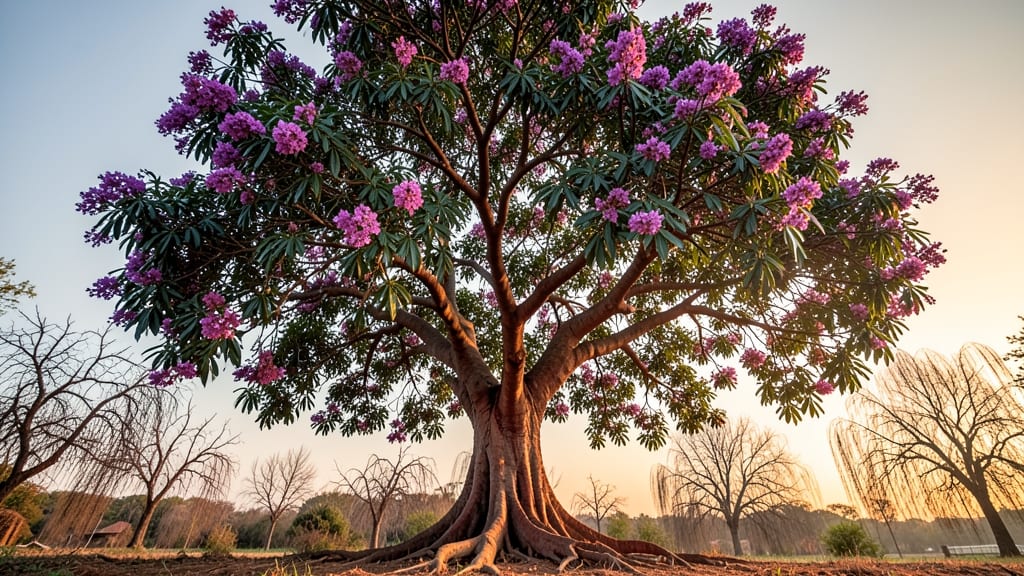
Zone 8 gardeners crave vibrant, low-maintenance flowering trees that thrive in heat and humidity. These 10 fast-growing varieties deliver stunning blooms from spring to fall while adapting effortlessly to your climate.
Crape Myrtle for Year-Round Interest

If you're looking for a drought-tolerant tree that delivers year-round visual interest without the fuss, crape myrtle is your game-changer. This adaptable beauty thrives in Zone 8’s heat and humidity, offering 60+ days of summer blooms in shades of pink, purple, or white—plus dramatic exfoliating bark that adds winter texture when other trees go dormant.
Plant crape myrtle in full sun with well-draining soil, and watch it reward you with low-maintenance resilience. Prune only to remove dead wood or shape the canopy, avoiding the "crape murder" trend of aggressive trimming. Varieties like 'Muskogee' or 'Natchez' offer compact sizes (10–15 feet), making them perfect for urban landscapes, small yards, or as focal points near patios.
Urban gardeners and busy homeowners will love this tree’s pollinator-friendly blooms and minimal water needs once established. It’s the ultimate multi-season performer that keeps your garden buzzing with color and conversation. 🌻
Japanese Snowbell Tree Blooms White

Struggling to find a flowering tree that thrives in your shady Zone 8 garden? The Japanese Snowbell Tree (Styrax japonicus) delivers fragrant white blooms in spring and subtle fall color—without demanding full sun like most flowering trees.
This elegant tree thrives in partial to full shade, making it perfect for understory planting where other trees fail. Its bell-shaped flowers release a light, sweet fragrance that attracts pollinators, while its dark green foliage turns soft yellow in autumn. Mature trees reach 20-30 feet tall with a rounded canopy, providing year-round interest.
Ideal for gardeners with limited sun or woodland-style landscapes, this tree requires minimal maintenance and tolerates moist, well-drained soil—just avoid waterlogged conditions. 🌿
Royal Poinciana's Fiery Summer Display

Ready to turn your summer garden into a tropical paradise? The Royal Poinciana (Delonix regia) delivers showstopping orange-red blooms that dominate landscapes from June through September, making it the star of any bold design.
This drought-tolerant tree thrives in full sun and Zone 8's heat, with clusters of fiery flowers that can reach 3 inches across. While it needs space to grow (30-50 feet tall), its dramatic foliage and vibrant blooms create instant visual impact—ideal for focal points or tropical-themed gardens. Just be prepared for its messy seed pods in fall, which require cleanup.
Perfect for gardeners who want high-impact color with minimal effort, this tree steals the show when other summer blooms fade. Just plant it where its bold personality won't be overshadowed! ✨
Bradford Pear with Spring Blizzard

Looking for an instant privacy screen that bursts into bloom before other trees even think about waking up? The Bradford pear delivers a spectacular March show with clouds of white flowers that transform your yard overnight—ideal for Zone 8's mild winters.
This fast-growing tree can reach 30-50 feet tall in just 10-15 years, making it perfect for quick hedges or focal points. The prolific blooms attract early pollinators, but be prepared to thin fruit later in the season to prevent messy drops. Plant it where it gets full sun to partial shade and well-draining soil for best results.
Perfect for beginners or urban gardeners who want immediate impact, just remember this isn't a low-maintenance tree—regular pruning keeps it healthy and tidy. 🌱
Forsythia's Golden Spring Wake-Up

When winter's gray skies feel endless, forsythia bursts onto the scene like nature's own alarm clock. This deciduous shrub-turned-small-tree is the first to bloom in late winter, often as early as February, with vibrant yellow flowers that light up bare branches before other plants even think about waking up.
Forsythia thrives in full sun to partial shade and adapts to most soil types, making it ideal for Zone 8's variable conditions. Prune immediately after flowering to maintain shape and encourage next year's blooms. Its fast growth (up to 3 feet per year) means you'll see dramatic color changes within seasons, and it's equally happy in urban courtyards or rural landscapes.
Perfect for beginners or gardeners who want instant spring cheer, forsythia's early blooms signal that winter is finally over—without requiring any special care. 🌱
Crepe Myrtle 'Natchez' for Pure White Drama

Want a tree that transforms your garden into a dreamy wedding venue or formal entrance with minimal effort? The Crepe Myrtle 'Natchez' delivers three months of pure white blooms that cascade like clouds, creating an elegant focal point that's both dramatic and low-maintenance.
This variety thrives in full sun (6+ hours daily) and handles Zone 8's heat and humidity with ease, making it perfect for urban or formal landscapes. Unlike other crepe myrtles, 'Natchez' blooms exclusively in pristine white, with soft pink undertones that catch the light—ideal for photographers capturing special moments. Prune lightly in late winter to maintain its natural shape and encourage fresh growth.
Perfect for gardeners who want long-lasting color without the upkeep of seasonal replacements, 'Natchez' offers year-round interest with its distinctive bark and lush foliage. 🌟
Eastern Redbud's Spring Purple Show

When your yard has shady spots where most flowering trees refuse to thrive, the Eastern redbud steps in as a magenta-clad hero. This understory tree bursts into bloom in March, often before leaves appear, creating a breathtaking contrast against its emerging heart-shaped foliage.
Unlike sun-loving giants, Eastern redbud thrives in partial shade (3-6 hours of sun) and tolerates a wide range of soils, including clay. Its 20-30 foot height makes it ideal for small gardens or woodland edges, where it adds vertical interest without overwhelming the space. Prune lightly after flowering to shape, but avoid heavy cuts that remove next year's blooms.
Perfect for gardeners who want early spring color without the maintenance of larger trees, this native beauty also attracts pollinators and provides seasonal interest with its golden fall foliage. 🌷
Lagerstroemia 'Tuscarora' for Purple-Pink Perfection

Looking for a compact flowering tree that delivers three seasons of color without the bulk of traditional crepe myrtles? Lagerstroemia 'Tuscarora' is your answer—packing purple-pink blooms in summer, fiery red fall foliage, and even winter interest from its peeling cinnamon bark.
This dwarf variety (reaching just 10-12 feet tall) thrives in full sun to partial shade and handles Zone 8's heat and humidity with ease. Plant it as a standalone specimen or in small gardens where space is limited—its layered interest ensures year-round appeal with minimal maintenance. Prune lightly after blooming to maintain shape and encourage dense foliage.
Perfect for urban gardeners, small yards, or pollinator-friendly landscapes, 'Tuscarora' offers the drama of a full-sized tree in a fraction of the footprint. 🌻
Magnolia 'Little Gem' for Fragrant White Blooms

When space is limited but you still crave a stunning, fragrant tree, Magnolia 'Little Gem' delivers big impact in a narrow footprint. This evergreen beauty grows just 12-15 feet tall while maintaining a 6-8 foot spread, making it perfect for tight urban yards or as a living privacy screen along property lines.
Each spring, it bursts into bloom with creamy white, cup-shaped flowers that perfume the air, followed by glossy dark green leaves that stay vibrant year-round. Unlike other magnolias, 'Little Gem' thrives in full sun to partial shade and handles Zone 8 heat with ease—just provide well-draining soil and occasional watering once established.
Urban gardeners and small-space planners will love how this tree creates vertical interest without overwhelming the landscape. Its compact size also makes it easier to maintain than larger magnolia varieties, while still offering that classic magnolia elegance. 🌱
Chinese Pistache for Heat-Tolerant Purple Flowers

When your Zone 8 summers feel like a furnace and other flowering trees wilt, the Chinese pistache steps in as the unsung hero. This adaptable tree thrives in 100°F+ heat while delivering late-summer purple blooms that few other trees can match—plus its striking blue-green foliage adds year-round texture.
Unlike thirsty show-off trees, Chinese pistache requires minimal water once established, making it ideal for drought-prone areas. Its slow-growing habit (20-30 feet tall) means it won’t outgrow small yards, and its disease-resistant nature keeps maintenance simple. Plant it in full sun for maximum blooms, and watch it become the backbone of your low-water, high-impact landscape. 🌻