
Planting
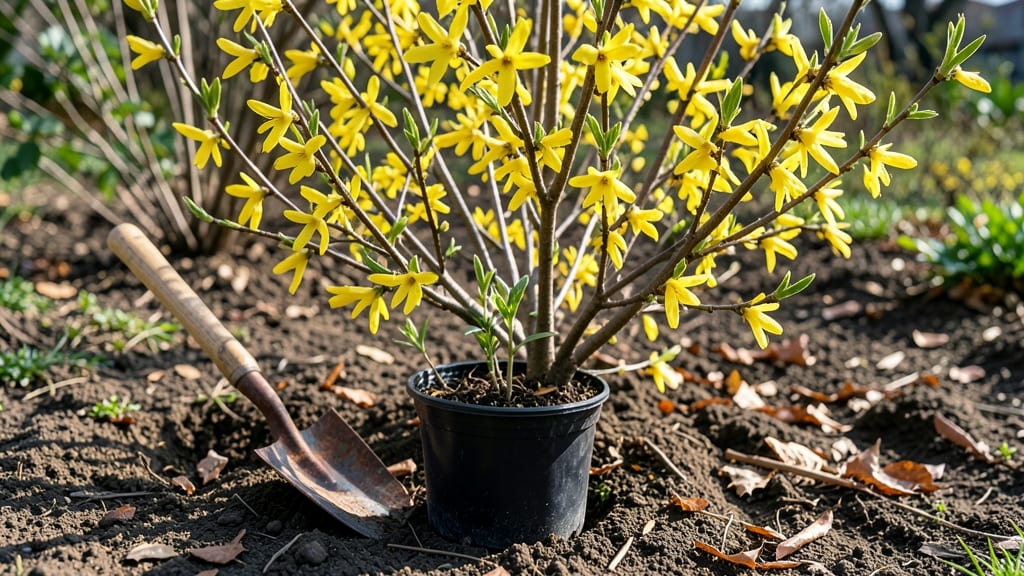
Forsythia thrives in zones 3 through 9, turning early spring into a golden explosion of color. 🌸 I planted mine last year in zone 5, and by March, the bright yellow blooms were the first sign that winter was over.
The key isn’t just the zone—it’s how you prep the site for your specific climate. Cold hardiness varies by variety, but most handle -20°F to -30°F with ease. Dwarf types like ‘Little Gold’ suit zones 5-7, while ‘Northern Gold’ stretches into zone 3.
Well-draining soil and full sun are non-negotiable—these shrubs despise soggy roots. You’ll get 10-15 years of reliable blooms with minimal fuss. Just avoid heavy clay unless you amend it, and watch for late frosts that can nip buds.
The payoff? A shrub that announces spring before anything else. Works for urban yards, rural borders, or even large containers. Here’s how to set it up right for your zone.
📚 In This Guide
- What you need
- Instructions
- Tips and common mistakes
- Wrapping up and next steps
What you need
- ● Forsythia shrubs: 1-3 bare-root or container-grown plants (choose Forsythia × intermedia for hardiness in zones 3-9).
- ● Well-draining soil: Native soil amended with 2-3 inches of compost (or potting mix for containers).
- ● Organic mulch: 2-3 inches of wood chips, straw, or pine needles (keeps roots cool and moist).
- ● Watering can or hose: With a gentle spray nozzle for post-planting hydration.
- ● Garden trowel or spade: For digging holes 2-3 times wider than the root ball.
- ● Pruning shears: To trim dead or damaged branches before planting.
- ○ Garden gloves: (Optional but recommended!) For protection from thorns and soil.
- ● Measuring tape or ruler: To ensure proper spacing (6-10 feet apart for mature shrubs).
- ○ Stakes (optional): 1-2 per plant for support if needed in windy areas.
- ● Sunlight: Full sun (6+ hours/day) for optimal blooms (partial shade in zones 8-9).
- ● Frost-free window: Plant in early spring (after last frost) or fall (6-8 weeks before first frost).
- ● Drainage test: Dig a hole, fill with water—if it drains in 1 hour, your soil is ready!
- ○ pH check (optional): Ideal range: 5.0-6.5 (test with a soil kit if unsure).
Step-by-step instructions for planting forsythia in zones 3-9
Here's how to plant forsythia for vibrant spring blooms—no matter where you live.
🌱 Step 1: Choose the Right Planting Spot
Forsythia thrives in full sun to partial shade, with at least 6 hours of sunlight daily. I always pick a location with morning sun and afternoon shade to prevent leaf scorch, especially in hotter zones like 7-9. The soil should drain well—forsythia roots rot in soggy conditions.
Dig a hole twice as wide as the root ball but only as deep. This encourages roots to spread horizontally rather than settling too low, which can suffocate the plant. Loosen the sides of the hole with a shovel to reduce compaction around the roots later.
🪴 Step 2: Prepare the Soil for Optimal Growth
Forsythia adapts to most soil types but performs best in slightly acidic to neutral soil (pH 6.0-7.0). Mix the native soil with 2-3 inches of compost to improve drainage and fertility. I avoid heavy amendments like peat moss, which can make the soil too dense.
Gently place the forsythia in the hole, ensuring the top of the root ball sits 1-2 inches above ground level. This prevents water from pooling around the stem during heavy rains. Backfill with the amended soil, tamping lightly to remove air pockets but not compacting too firmly.
☀️ Step 3: Water Deeply and Mulch for Frost Protection
Water the newly planted forsythia deeply right after planting—this helps settle the soil and removes air gaps. In zones 3-5, I water again every 3-4 days until the first frost, keeping the soil consistently moist but not soggy. In warmer zones (6-9), water every 5-7 days once established.
Spread 2-3 inches of mulch around the base, keeping it 3 inches away from the stem. I use shredded bark or pine straw to insulate roots in winter and retain moisture in summer. This mulch layer also protects young plants from temperature swings that can stress forsythia.
⏰ Step 4: Prune for Shape and Encourage Blooms
Wait until late spring or early summer (after flowering) to prune. Remove any dead, diseased, or crossing branches first. Then, shape the shrub by cutting back overgrown stems to 1/3 of their length. This encourages bushier growth and more vibrant blooms next spring.
In colder zones (3-5), I avoid heavy pruning in fall—it stimulates new growth that won’t harden off before winter. Instead, I focus on cleanup pruning in early spring before buds swell. This keeps the plant healthy and ready for its spectacular display.
Tips & tricks for perfect forsythia planting in zones 3-9
Here's what nobody tells you about getting those showstopping spring blooms—without the guesswork.
Sunlight Strategy: In zones 7-9, I've found that morning sun with afternoon shade is key—especially in the first year. If your yard gets intense afternoon sun, consider planting near a north-facing wall or under a light canopy. The 6 hours of daily sunlight is non-negotiable, but timing matters just as much as duration.
Root Ball Placement: That 1-2 inch elevation above ground level is critical for preventing waterlogging. I've seen too many new gardeners bury the root ball too deep, which can lead to root rot. Use a level to check—when you're done planting, the top of the root ball should be clearly visible above the surrounding soil.
Zone-Specific Watering: The 3-4 day watering schedule for zones 3-5 is perfect for establishing roots before winter. For zones 6-9, I like to water every 5-7 days once established, but always check soil moisture first—stick your finger 2 inches down. If it's dry, water; if it's moist, wait. Overwatering is the #1 killer of newly planted forsythia.
Pruning Timing: That late spring/early summer window for pruning is your best bet for encouraging next year's blooms. I've made the mistake of pruning too early in spring and missed the entire flowering season. Mark your calendar right after those bright yellow blooms fade—it's the perfect time to shape your shrub without sacrificing next year's show.
Pro Tips for Forsythia Planting Zone
- Here's what nobody tells you about getting those showstopping spring blooms—without the guesswork.
- Sunlight Strategy: In zones 7-9, I've found that morning sun with afternoon shade is key—especially in the first year.
- Root Ball Placement: That 1-2 inch elevation above ground level is critical for preventing waterlogging.
Frequently asked questions
What are the best forsythia planting zones for healthy growth?
Forsythia thrives in USDA Zones 3-9, making it one of the most adaptable shrubs. It handles cold winters well (down to -20°F) and loves mild summers. For best results, plant in zones with hot summers and cold winters—this triggers vibrant spring blooms! If you’re in Zone 10+, opt for Forsythia suspensa, a heat-tolerant variety.
When is the ideal time to plant forsythia?
Plant forsythia in early spring or fall (4-6 weeks before frost). Spring planting lets roots establish before summer heat, while fall gives time to settle before winter. Avoid planting in peak summer—the heat stresses young shrubs. If you must plant in winter, do so in mild climates (Zones 7-9) and mulch heavily to protect roots.
Can forsythia grow in containers, or is it best planted in the ground?
Forsythia can grow in containers but needs large pots (at least 18” deep) with well-draining soil. Use a balanced fertilizer and repot every 2-3 years. However, container-grown forsythia may bloom less vigorously than in-ground plants. For maximum growth, plant in the ground with 6-8 feet of space between shrubs to allow airflow and sunlight.
Why isn’t my forsythia blooming, even though it’s in the right zone?
Poor blooming often stems from over-fertilizing (too much nitrogen), pruning at the wrong time, or shade issues. Prune right after flowering (never in late summer/fall) to encourage next year’s buds. Ensure it gets 6+ hours of sunlight and avoid heavy mulch around the base. If soil is too rich, blooms may focus on foliage instead.
Are there drought-tolerant forsythia varieties for dry climates?
Yes! Forsythia × intermedia (like ‘Lynwood Gold’) is the most drought-tolerant, thriving in Zones 4-8 with minimal water once established. For arid regions (Zones 5-9), try Forsythia ovata. Always mulch deeply (3-4 inches) and water deeply but infrequently to encourage root growth. Avoid soggy soil—forsythia hates “wet feet.”
Wrapping up and next steps
Planting forsythia is a rewarding way to brighten your landscape with vibrant blooms—just remember, zones 3-9 are your sweet spot! 🌸 Whether you’re battling early frosts or late springs, these cheerful shrubs adapt beautifully with the right care.
Now that you’re armed with frost-free tips and planting know-how, it’s time to roll up your sleeves and get growing.
💡 Next step: Mark your calendar for early spring or fall, grab those bare-root plants, and watch your garden burst into golden-yellow cheer!