
Planting
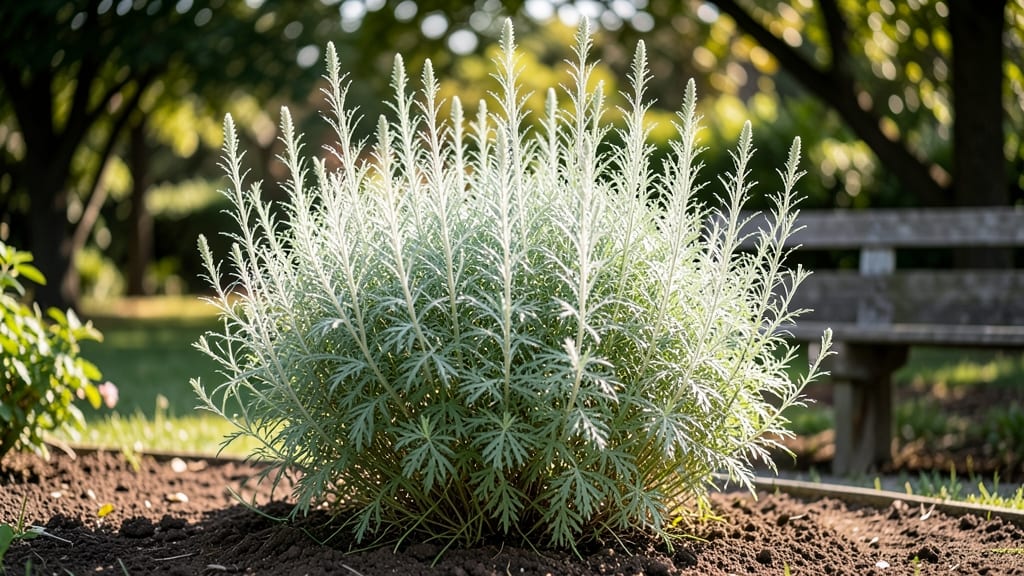
French tarragon does best in USDA hardiness zones 4 through 8, where it can survive winters down to -30°F (-34°C) once fully established. Newer plants in colder areas need extra protection, while mature plants benefit from mulching to improve cold resistance.
French tarragon's hardiness comes from its ability to enter dormancy when temperatures drop, but this process requires time. 🌱 Young plants lack the root strength to handle harsh winters, which is why gardeners in Zone 3 often grow it in containers or under frost blankets.
The key to success lies in proper winter prep—adding thick mulch (like straw or leaves) insulates roots, while pruning back foliage before the first frost reduces stress on the plant. Even in ideal zones, sudden cold snaps can damage tender new growth, so monitoring weather forecasts helps prevent surprises.
What many growers don't realize is that French tarragon's hardiness isn't just about surviving winter—it's also about thriving afterward. Plants that experience proper dormancy often produce more vigorous growth in spring, while those forced to stay active in cold climates may struggle.
This is why Zone 9 and above can actually be challenging: the lack of winter chill can lead to weak stems and reduced flavor intensity. Balancing protection with natural dormancy cycles makes all the difference in long-term plant health.
💡 In This Article
- French Tarragon’s Cold Tolerance: How Temperature Affects Growth
- Protecting French Tarragon in Marginal Zones: Mulching and Winter Care
French tarragon’s cold tolerance: how temperature affects growth
French tarragon’s resilience to cold stems from its natural dormancy cycle, triggered by shorter daylight hours and dropping temperatures. When exposed to 30-45°F (-1 to 7°C) for 4-6 weeks, the plant undergoes vernalization—a biological process where it prepares for winter by slowing metabolic activity.
This adaptation allows it to survive -30°F (-34°C) once fully established, but young plants lack the root system to handle such extremes. 🌱 The critical threshold lies in Zone 4, where roots can sustain damage below -25°F (-32°C), leading to stunted growth or death.
Beyond Zone 8, heat becomes the bigger challenge. French tarragon thrives in moderate climates but struggles in Zone 9+ due to intense summer sun and lack of winter chill. Without proper dormancy, the plant’s growth becomes leggy and flavorless, as its energy focuses on survival rather than herb production.
In contrast, Zone 5-7 offers the perfect balance—cold enough for dormancy but not so extreme that roots suffer. This is why gardeners in these zones often see the most robust, aromatic tarragon.
The plant’s frost sensitivity varies by stage. New shoots in spring are particularly vulnerable, as they lack the protective woody stems of mature plants. A sudden drop to 20°F (-7°C) can blacken tender foliage, but the roots often survive to regrow.
This is why mulching with 4-6 inches of straw or wood chips is essential—it insulates roots while allowing soil temperatures to fluctuate naturally. Without this protection, even established plants in Zone 4 may struggle to rebound.
Temperature also affects flavor. Plants grown in colder zones develop more intense, anise-like compounds due to stress-induced chemical changes. However, if winter damage occurs, the plant diverts energy to recovery rather than flavor production.
This is why Zone 8 gardeners sometimes report milder-tasting tarragon—their plants experience less winter stress but may lack the complexity of their northern counterparts. 💫
One often-overlooked factor is soil temperature. French tarragon prefers well-drained soil that stays 50-70°F (10-21°C) in growing season. When soil freezes solid, root activity halts, and the plant becomes dependent on stored nutrients.
In Zone 3, this means container-grown tarragon is the safest option—pots can be moved to sheltered areas before hard freezes, giving roots a fighting chance. The key is mimicking the natural dormancy cycle while minimizing stress.
For those in marginal zones, timing is everything. Pruning back foliage by one-third in early fall reduces winter stress, while dividing mature plants every 3-4 years rejuvenates root systems. This practice isn’t just about survival—it’s about ensuring the plant enters dormancy strong enough to bounce back.
The result? A hardier, more productive tarragon that delivers that signature anise-kissed flavor year after year. 🌿