
Planting
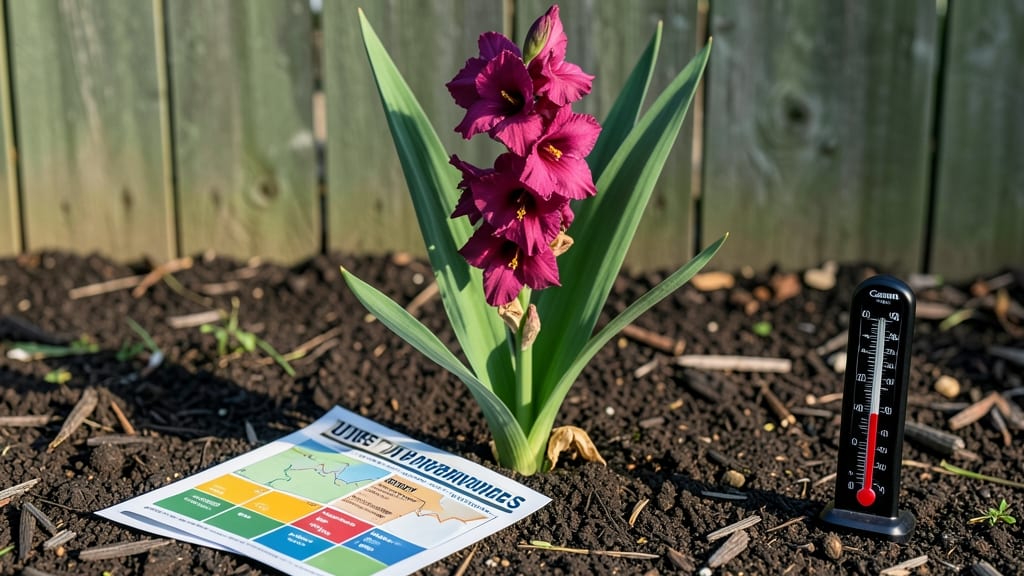
Gladiolus thrive best in USDA hardiness zones 7 through 10, where they can survive winter dormancy without damage. These tender perennials need protection in colder regions, often requiring bulb removal or annual replanting for consistent blooms.
Gladiolus bulbs are particularly sensitive to freezing temperatures, which is why they struggle outside zones 7-10. 🌱 The corms can survive brief cold snaps in zone 7 with mulch protection, but prolonged frost will kill them back to the ground.
In cooler climates (zones 5-6), gardeners often treat them as annuals, planting fresh bulbs each spring for vibrant summer displays. What's fascinating is how their heat tolerance varies—some tropical varieties even thrive in zone 11 with proper shade and water management.
For those in marginal zones (8-9), overwintering strategies like deep mulching or container growing can extend their lifespan. I've found that 'Green Star' and 'Telemon' varieties handle cooler nights better than others, while 'Picasso' and 'Black Star' shine in warmer regions.
The key is matching the right cultivar to your microclimate for the best results.
💡 In This Article
- Understanding Gladiolus Cold Tolerance and Growth Limits
- Best Gladiolus Varieties for Different USDA Zones
Understanding gladiolus cold tolerance and growth limits
Gladiolus bulbs, or corms, are classified as tender perennials because their growth tissues freeze at temperatures below 25°F (-4°C). Unlike hardy bulbs like tulips (which survive to -30°F/-34°C in zone 4), gladiolus corms lack the protective layers that allow other bulbs to endure winter.
Their thin outer skin and high moisture content make them particularly vulnerable to frost damage, which is why they struggle in zones colder than 7.
The critical threshold occurs when nighttime temperatures drop below 32°F (0°C) for extended periods.
At this point, the corms begin to dehydrate and cellular damage occurs, leading to rot or failure to sprout in spring. 🌱 What's interesting is how their growth cycle compounds this sensitivity—gladiolus corms need 60-90 days of warm soil temperatures (above 60°F/15°C) to mature properly, making them ill-suited for short growing seasons in northern climates.
Comparing gladiolus to other spring-blooming bulbs reveals their unique challenges. Tulips and daffodils store nutrients in their outer scales, creating natural insulation, while gladiolus store energy in their fleshy corms that lack this protective layer.
Even in zone 7, gardeners must use 6-8 inches of mulch or frost blankets to protect corms during winter, as a single hard freeze can kill them back to the ground.
Temperature fluctuations also play a role in their hardiness. Gladiolus corms can tolerate brief exposures to 28°F (-2°C) if the ground remains dry, but prolonged moisture combined with cold triggers fungal diseases like Fusarium or Botrytis, which further weaken the bulbs.
This is why many gardeners in marginal zones opt for annual planting rather than risk overwintering failures.
For those pushing the limits in zone 6, selecting early-blooming varieties like 'Green Star' or 'Telemon' gives them a better chance of maturing before frost. These cultivars typically bloom 2-3 weeks earlier than late-season types, allowing their corms to develop more protective layers before winter sets in.
The trade-off is slightly smaller blooms, but the survival advantage makes it worthwhile.
In warmer zones (8-10), the challenge shifts from cold protection to heat management. While gladiolus tolerate summer heat, prolonged exposure above 95°F (35°C) can cause corms to dry out or develop sunburn, particularly in sandy soils with poor moisture retention.
Varieties like 'Picasso' and 'Black Star' handle these conditions better due to their darker pigmentation, which reflects more sunlight and reduces heat stress.
What most gardeners don't realize is that gladiolus corms actually prefer cooler soil temperatures (60-65°F/15-18°C) for optimal growth. When soil exceeds 85°F (29°C), their metabolic processes slow down, leading to stunted growth and smaller blooms.
This is why planting in late spring (after the last frost) and providing afternoon shade in hot climates yields better results than early planting.