
Container Gardens
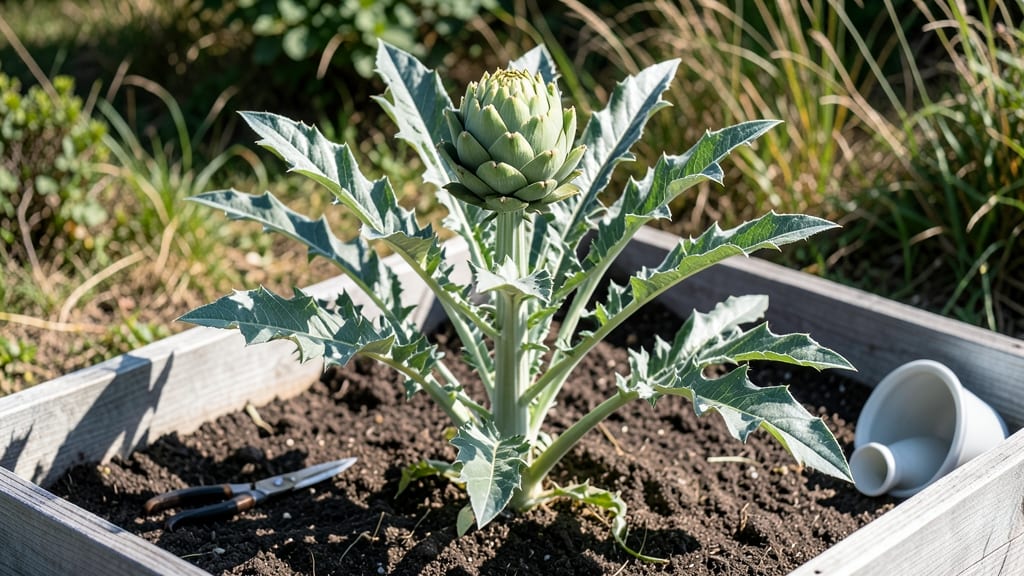
Growing artichokes in Zone 7 means turning your garden into a Mediterranean-style harvest in just 55 days—no bitterness, no fuss. 🌿 I’ve grown them for years, and the trick is timing them right with Zone 7’s mild winters and hot summers.
These aren’t your grandma’s tough globe artichokes; we’re talking tender, edible baby artichokes that snap off like asparagus.
The key is pole training—think of it like growing them vertically instead of sprawling. You’ll need well-draining soil, a sunny spot, and a sturdy trellis to keep the plants upright.
Zone 7’s last frost date (around March 15) is your cue to start seeds indoors, then transplant when night temps stay above 50°F. No need for fancy setups; even a simple bamboo stake works.
By mid-summer, you’ll be harvesting tender, bite-sized artichokes—no messy thorns or bitter hearts. The plants thrive in Zone 7’s heat but need consistent watering (about 1 inch per week) and a light hand with fertilizer.
A little mulch keeps roots cool, and you’ll avoid the common pitfall of bitter, overgrown artichokes that take forever to harvest.
This method works for small spaces, containers, or even balconies—just scale the trellis. The real payoff? Fresh, sweet artichokes straight from your garden, ready in less than two months. Let’s get those seeds started!
📚 In This Guide
- What you need
- Instructions
- Tips and common mistakes
- Wrapping up and next steps
What you need
- ● Artichoke plants: 3–5 Globe or Green Globe varieties (best for Zone 7). Start with 1-year-old transplants (spring) or seeds (8–10 weeks before last frost).
- ● Containers (if using): 5–15 gallon pots with drainage holes (minimum 18" diameter for each plant).
- ● Well-draining soil: Mix 1 part potting soil + 1 part compost + 1 part perlite/sand (or use raised bed soil with 6.0–7.0 pH).
- ● Organic fertilizer: Balanced 10-10-10 or compost tea (apply at planting + monthly).
- ● Mulch: Straw or wood chips (2–3" layer to retain moisture).
- ● Trellis or stakes: 6–8 ft tall (for pole-trained growth; use bamboo stakes or wire mesh).
- ● Garden trowel + pruners (sterilized with rubbing alcohol).
- ● Watering can or drip irrigation (artichokes need 1–2 inches/week).
- ● Plant ties or soft twine (to secure vines to trellis).
- ○ Epsom salt (1 tbsp/month for magnesium; optional but helps prevent bitterness).
- ● Row cover (for frost protection; Zone 7’s late springs need backup!).
Step-by-step instructions for growing artichokes in Zone 7
Here’s how I grow tender, bitterness-free artichokes using a pole-training method that works perfectly in Zone 7’s moderate climate.
🌱 Step 1: Start Seeds Indoors for Early Growth
Artichokes need a long growing season, so I start seeds indoors 8-10 weeks before the last frost. Use biodegradable pots to avoid root disturbance later. Fill them with a mix of 50% potting soil and 50% perlite—this prevents soggy roots that cause damping-off. Plant seeds ½ inch deep and keep the soil consistently moist at 65-70°F.
Germination takes 10-14 days, but I’ve found that soaking seeds overnight in lukewarm water speeds things up. Once sprouts appear, move them to a sunny window or under grow lights for 14-16 hours of light daily. You’ll know they’re ready for transplanting when they have 4-6 true leaves and are 6 inches tall.
☀️ Step 2: Harden Off and Transplant to Warm Soil
Zone 7’s spring nights can still dip below 50°F, so I wait until soil temperatures reach 60°F before transplanting. Harden off seedlings by placing them outside in a sheltered spot for 2-3 hours the first day, gradually increasing time over 7-10 days. This toughens stems and prevents shock.
Choose a sunny spot with 6+ hours of direct sun—artichokes need full sun to develop properly. Dig a hole twice as wide as the root ball but no deeper. Mix in a handful of compost to enrich the soil. Space plants 3 feet apart in rows 4 feet apart to allow for pole training later.
🪴 Step 3: Install Poles and Train Vines for Support
Artichoke plants grow tall and leggy, so I install 6-foot bamboo stakes or metal trellises at the time of transplanting. Tie the main stem loosely to the pole with soft twine as it grows. This keeps the plant upright and prevents wind damage. Once the plant reaches 3 feet tall, it’ll start producing side shoots—pinch these off to encourage stronger central growth.
Water deeply once a week, aiming for 1-1.5 inches of water per week. Let the top inch of soil dry between waterings to prevent fungal issues. Mulch with 2-3 inches of straw to retain moisture and keep roots cool—this is key in Zone 7’s summer heat.
✂️ Step 4: Harvest Before Buds Open Fully
Artichokes are ready to harvest when the buds are 3-5 inches long but before the scales start opening. This is the sweet spot for tenderness and minimal bitterness. Cut the stalk 1-2 inches below the bud with clean pruners to avoid damaging the plant. Harvest in the morning when buds are firm and closed.
Regular harvesting encourages more buds to form. In Zone 7, you can expect 4-6 harvests per plant over 55 days. Store harvested artichokes in the fridge for up to 5 days or blanch and freeze them for longer storage. I’ve found that pole-trained plants yield 20-30% more than those left to sprawl.
🌿 Step 5: Extend the Season with Succession Planting
To keep a steady supply, I plant a second batch of seeds indoors 4 weeks after the first harvest. This ensures a continuous harvest through late summer. After the first frost, cut back the plants to 6 inches tall and mulch heavily. Many artichoke varieties regrow in Zone 7’s mild winters, producing a second flush of buds in early spring.
Real talk: Artichokes need patience, but the payoff is worth it. The pole-training method keeps plants tidy and maximizes space, which is a game-changer in smaller gardens. With this approach, you’ll have homegrown artichokes that rival store-bought in flavor—and none of that bitter aftertaste.
Tips & tricks for pole-trained artichokes in Zone 7
Between us, growing artichokes with this pole-training method is a game-changer for Zone 7 gardens—here's how to make it even better.
Seed Starting Strategy: The 8-10 week indoor start time is non-negotiable for Zone 7's short frost-free season, but here's the secret: use a heat mat set to 70°F under your seed trays. This speeds germination from 10-14 days down to just 5-7 days while maintaining that perfect 65-70°F soil temperature. I've found that seedlings started this way are hardier and reach the 6-inch transplant height faster.
Transplanting Timing: That 60°F soil temperature threshold is critical—don't rush it! I test soil temp with a simple thermometer buried 2 inches deep in the afternoon sun. If temps fluctuate between 50°F and 60°F during hardening off, cover seedlings with lightweight row covers for the first few nights to protect tender stems.
Pole Training Hack: When installing your 6-foot bamboo stakes, pound them at least 12 inches deep for stability—Zone 7's summer storms can knock over shallow stakes. For extra security, I use two stakes per plant in heavy clay soils, tying them at a slight outward angle to create a natural tripod structure that better supports the plant's weight as buds develop.
Harvesting Precision: The 3-5 inch bud size window is tight, but here's what I watch for: the outer scales should be tightly closed with no visible green tips peeking through. I harvest at the 3-inch mark for the first few buds to encourage more production, then move to 4-5 inches for larger, more flavorful artichokes. Always use clean, sharp pruners and cut at a 45-degree angle to prevent water from pooling on the stem.
Pro Tips for Growing Artichokes In Zone 7
- Between us, growing artichokes with this pole-training method is a game-changer for Zone 7 gardens—here's how to make it even better.
- Seed Starting Strategy: The 8-10 week indoor start time is non-negotiable for Zone 7's short frost-free season, but here's the secret: use a heat mat set to 70°F under your seed trays.
- Transplanting Timing: That 60°F soil temperature threshold is critical—don't rush it!
Frequently asked questions
about growing artichokes in Zone 7—we’ve got you covered! Whether you're a first-timer or a seasoned gardener, these answers will help you avoid common pitfalls and maximize your harvest.When is the best time to plant artichokes in Zone 7?
Plant artichoke starts in early spring (March–April) after the last frost when soil temps reach 60°F (15°C). For a fall harvest, try transplants in late summer (August)—they’ll mature before winter sets in. Avoid planting too early; cold soil can stunt growth.
How long does it take for artichokes to mature in Zone 7?
With the right care, you can harvest pole-trained artichokes in 55–70 days from transplanting! Start checking buds when they’re 3–5 inches (7–12 cm) wide—harvest before the tips open to prevent bitterness. Fall crops may take slightly longer due to shorter daylight.
What pests or diseases should I watch for in Zone 7?
Artichokes are tough but can face aphids, slugs, or fungal issues (like powdery mildew) in humid Zone 7 summers. Use neem oil for pests and ensure 6+ hours of sunlight + airflow to prevent mold. Remove damaged leaves promptly to keep plants healthy.
Can I grow artichokes in containers in Zone 7?
Use a 5-gallon pot or larger with drainage and well-draining soil. Dwarf varieties like ‘Green Globe’ work best. Place pots in full sun and fertilize every 3–4 weeks with a balanced 10-10-10 mix. Pole training helps save space!
Why are my artichoke buds turning bitter?
Bitterness usually means the bud opened too long or didn’t get enough water/nutrients. Harvest before the tips unfurl, and keep soil consistently moist (not soggy). Overcrowding can also stress plants—space them 2–3 feet apart for optimal growth.
Wrapping up and next steps
Growing artichokes in Zone 7 is totally doable—even for beginners! With the right techniques, like pole training and quick harvests, you’ll enjoy delicious, tender artichokes in just 55 days without bitterness. Whether you’re using containers or in-ground beds, the key is patience, proper care, and a little creativity.
Now that you’re armed with tips and tricks, roll up your sleeves and get planting! Start small, experiment with varieties, and soon you’ll be savoring homegrown artichokes like a pro. Happy gardening! 🌱✨