
Container Gardens
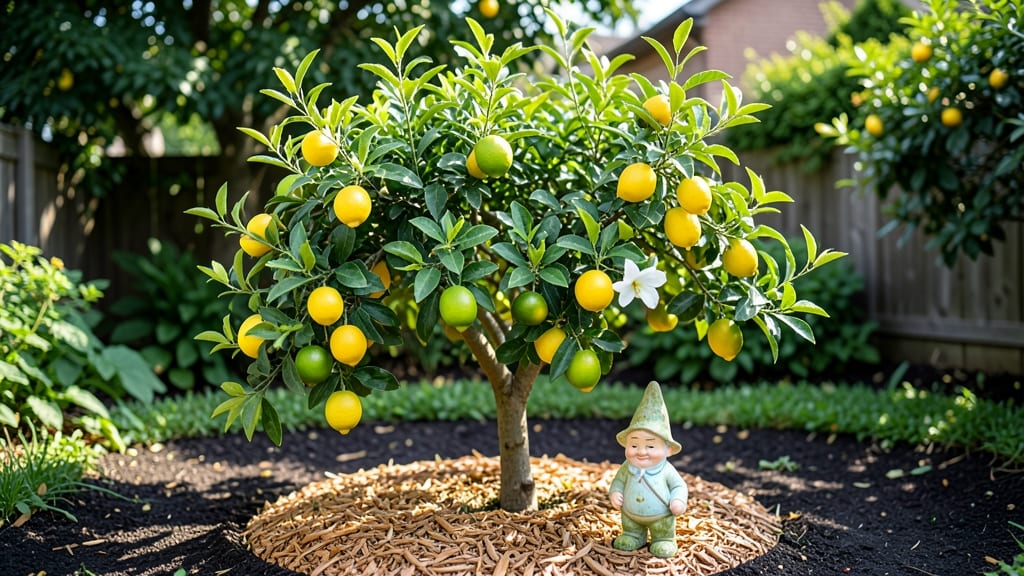
Growing in Zone 10 lets you cultivate tropical and subtropical plants year-round since frost never occurs, with ideal conditions for citrus, palms, and heat-loving vegetables like okra and eggplant. Water management and soil drainage are critical for success in this warm climate.
Zone 10's frost-free environment creates a paradise for gardeners who love tropical plants. 🌴 The consistent warmth and high humidity levels mimic natural habitats for species like mango trees and hibiscus, while the lack of seasonal temperature swings eliminates the stress of transplant shock.
This makes it easier to grow delicate varieties that would struggle in cooler climates. However, the trade-off is increased vigilance against pests like aphids and fungal diseases, which thrive in these conditions.
Many gardeners in Zone 10 also take advantage of microclimates—like coastal areas with cooler breezes—to extend the growing season for even more diverse plantings.
One key advantage is the ability to grow fruit-bearing plants continuously. Unlike northern zones where citrus trees need winter protection, Zone 10 gardeners can harvest oranges, lemons, and limes year-round with proper care. The same goes for vegetables like sweet potatoes and eggplants, which produce more vigorously in warm climates.
For beginners, low-maintenance options like bougainvillea or dwarf citrus varieties are excellent starting points—they're drought-tolerant once established and require minimal pruning.
💡 In This Article
- Why Zone 10’s Warm Climate Supports Tropical Plant Growth
- Top 10 Frost-Free Plants for Zone 10 Gardens
Why Zone 10’s warm climate supports tropical plant growth
Zone 10's climate acts like a natural greenhouse, maintaining temperatures between 60-90°F year-round with minimal seasonal variation. This consistency eliminates the shock of temperature swings that damage tropical plants in other zones.
The lack of frost means no need for protective covers or winter dormancy periods—citrus trees, for example, can produce fruit continuously instead of needing a cold rest period like their northern counterparts.
Humidity levels in Zone 10 typically range from 40-70%, creating ideal conditions for plants that thrive in moist environments. This mimics the tropical rainforest conditions where many of these species evolved. The warm nights (70-80°F) prevent the chilling injury that can stunt growth in cooler climates.
For instance, avocado trees require these stable nighttime temperatures to set fruit properly—a challenge in zones with cold winters.
Microclimates become powerful tools in Zone 10 gardening. Coastal areas often experience 5-10°F cooler temperatures due to ocean breezes, creating perfect spots for heat-sensitive plants like coffee or vanilla. Conversely, inland areas can get 5°F warmer, making them ideal for ultra-tropical species like banana trees or papayas.
This microclimate diversity allows gardeners to grow a wider variety than the zone's average suggests.
The downside? This climate accelerates pest cycles. Aphids, whiteflies, and fungal diseases like powdery mildew multiply faster in these conditions. The solution lies in proactive care: using neem oil sprays every 2-4 weeks and ensuring proper air circulation around plants.
Unlike northern gardens where pests slow down in winter, Zone 10 gardeners must stay vigilant year-round.
Comparing to other zones highlights Zone 10's advantages. While Zone 5 gardeners struggle with 100+ days below freezing, Zone 10's plants experience only 0 days below 20°F. This means tropical plants like hibiscus or bougainvillea can grow to their full potential without winter dieback.
The trade-off is increased water needs—evaporation rates can be 30-50% higher than in temperate zones, requiring drip irrigation systems for efficient water delivery.
For gardeners new to Zone 10, the key is starting with plants that match your specific microclimate. Coastal gardeners might prioritize salt-tolerant varieties like sea grapes, while inland areas thrive with drought-resistant options like desert rose.
The consistent growing conditions mean you can plant year-round, but timing still matters—avoid the hottest summer months (July-August) for transplanting delicate species.