
Container Gardens
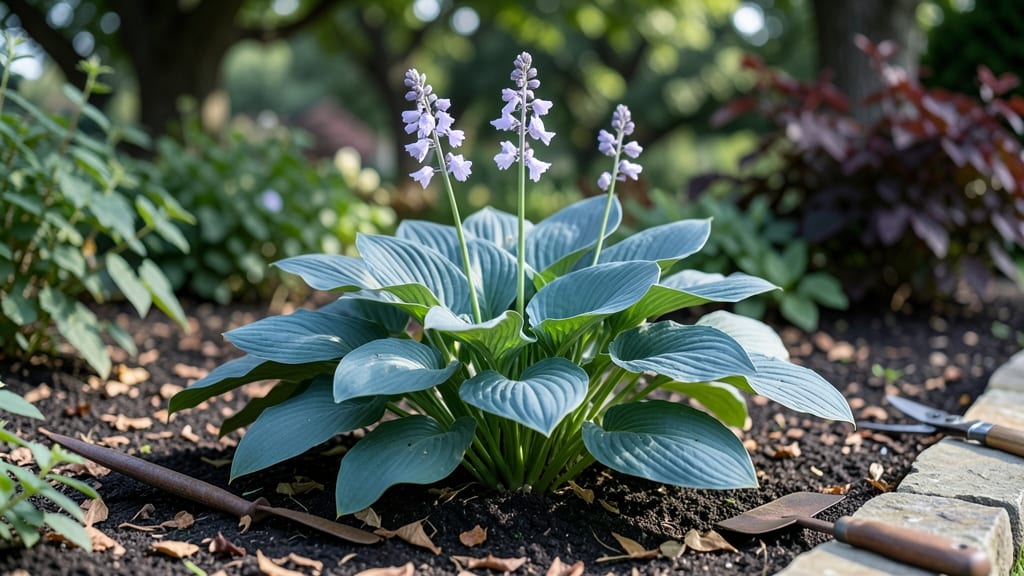
Growing in Zone 4 means working with cold winters (-30°F to -20°F) where resilient perennials like coneflowers and hostas survive year-round. Start cool-season crops (kale, spinach) in early spring or late summer, while warm-season plants (tomatoes) must wait until after your last frost, usually May or June, depending on your local frost dates.
Zone 4's short growing season demands smart planning—think of it as a puzzle where timing and plant choices determine success. 🌱 The key is selecting cold-tolerant varieties that can handle late frosts while still producing well.
For example, Russian sage thrives in these conditions, while tomatoes need the warmth of summer. I've found that extending the season with row covers or cold frames can add crucial weeks to your growing window, especially for heat-loving crops.
Local frost patterns are everything in Zone 4. Some areas might see frost as late as June 15, while others can start planting tomatoes by May 1. Always check your last frost date—it's the difference between a thriving garden and a failed experiment.
I recommend planting cool-season crops like peas and lettuce as soon as the soil is workable (around April 15 in most Zone 4 regions), while warm-season plants should wait until two weeks after your last frost date.
💡 In This Article
- Understanding Zone 4 Climate and Plant Hardiness
- Zone 4 Planting Calendar: Month-by-Month Guide
Understanding Zone 4 climate and plant hardiness
Zone 4's defining feature is its extreme cold—average minimum temperatures plummet to -30°F to -20°F, creating a growing environment that demands plants with exceptional hardiness. The USDA Plant Hardiness Zone Map divides this into two subzones (4a and 4b), where 4a (-30°F to -25°F) is the harshest.
This cold forces gardeners to prioritize perennials that can regenerate from roots each spring, like coneflowers (which survive -40°F) or Russian sage (tolerating -30°F with ease).
The key difference between annuals and perennials here is survival strategy: annuals complete their lifecycle in one season, while perennials store energy underground to rebound when temperatures rise.
Frost patterns are the real game-changer in Zone 4. Early spring frosts can linger until May 15 in some areas, while late frosts may strike as late as June 10.
These fluctuations explain why cool-season crops like kale and spinach thrive when planted in early spring (March-April) or late summer (August-September)—they're designed to handle light frosts (28°F) without damage.
Warm-season plants like tomatoes, however, need soil temperatures above 55°F to germinate, which typically occurs after your last frost date. Microclimates add another layer: a south-facing wall can create a 5-10°F warmer microclimate than the surrounding area, extending the growing season for heat-sensitive plants.
What most gardeners don't realize is how soil temperature interacts with air temperature. Even when air temperatures dip below freezing, soil at 4 inches deep might stay above 32°F—this is why root crops like carrots and beets can often survive light frosts.
The science here involves heat capacity: soil holds warmth longer than air, creating a protective buffer for underground plant parts. This is why Zone 4 gardeners often plant cold-hardy crops 2-3 weeks earlier than warm-season varieties, giving roots time to establish before surface temperatures drop.
Mulching with 4-6 inches of straw can add an extra 4-8°F of protection to soil temperatures.
Plant selection becomes a balancing act between cold tolerance and growth requirements.
For example, broccoli (hardy to 20°F) can be planted in early spring but bolts (goes to seed) when days lengthen in late spring—this is why gardeners often plant a second crop in late summer to avoid this issue.
The same logic applies to flowers: black-eyed Susans bloom reliably in Zone 4 because their roots survive winter, while marigolds (hardy to 28°F) must be replanted annually. Understanding these thresholds means you can push your garden's limits without risking total failure.
Urban heat islands present a fascinating twist in Zone 4 gardening. Pavement and buildings absorb heat during the day and radiate it at night, creating pockets where temperatures can be 5-15°F warmer than rural areas.
This effect is most noticeable in July and August, when urban gardens might support plants like peppers that typically struggle in Zone 4's cooler summers. The trade-off? These same areas can experience earlier frosts in fall because heat radiates away more quickly at night.
Testing your microclimate by planting frost-sensitive basil in different locations can reveal these patterns in your own backyard.
One advanced technique Zone 4 gardeners use is "succession planting" to maximize short seasons. By staggering plantings of lettuce every 2 weeks from April through July, you create a continuous harvest despite the region's limited growing window.
The math is simple: if your last frost is May 20 and first frost arrives September 15, you've got roughly 118 days for warm-season crops—enough for one full cycle of tomatoes or peppers, but not two.
This is why many Zone 4 gardeners focus on fast-maturing varieties (like 45-day tomatoes) or use season extenders like cold frames.
Remember: Zone 4 gardening isn't about fighting nature—it's about working with its rhythms. The plants that thrive here have evolved to handle these extremes, and by understanding their cold tolerance thresholds, you can create a garden that's not just functional, but downright resilient. 💫