
Container Gardens
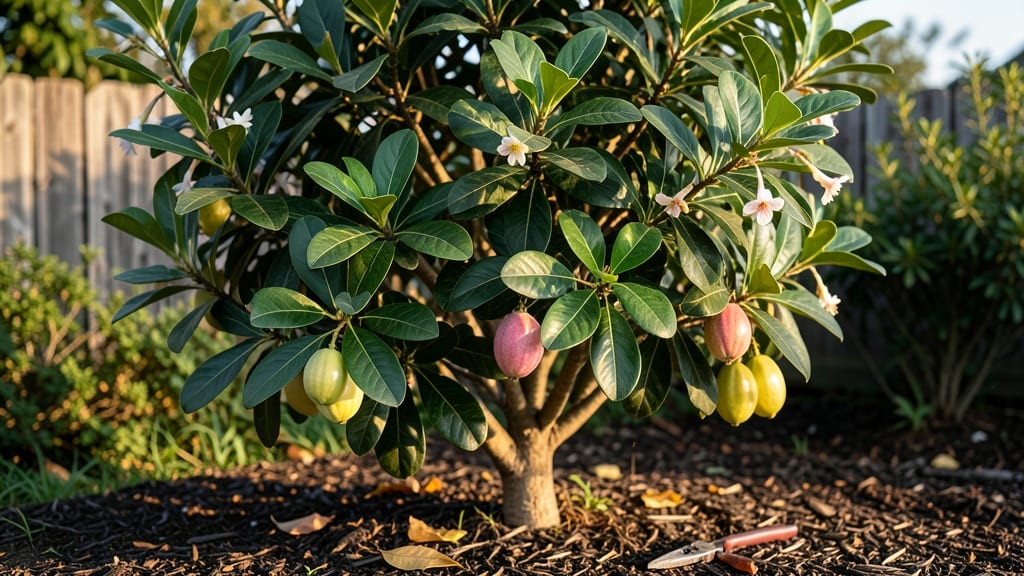
Guava trees thrive where temperatures stay above 50°F—think Florida’s heat, California’s coastal warmth, or Southeast Asia’s tropical embrace. 🌴 I’ve grown guavas in Zone 10 and warmer, and the difference between a struggling plant and a fruit-laden tree comes down to heat consistency.
These trees aren’t just picky; they demand warmth year-round, with even a light frost sending them into shock.
If you’re in Zones 10-12, you’re in the sweet spot—guavas grow wild here, producing fruit without fuss. But even in Zone 9, with some winter protection (like a thick mulch or frost cloth), they’ll reward you with harvests.
The key is avoiding sudden cold snaps; guavas hate temperature swings more than they hate heat. In cooler microclimates, container growing lets you move plants indoors or under cover when temps dip.
What you’ll get is a tree that bursts with creamy, fragrant fruit—sweet when ripe, tart when green—within 2-3 years of planting. The leaves stay glossy green, the branches fill with blossoms, and the scent of ripe guavas in summer is unmistakable.
Just don’t expect patience: guavas grow fast, but they need that perfect heat belt to truly shine.
For those outside these zones, don’t give up—container growing or greenhouse setups can extend your guava dreams. The trade-off? Smaller trees and fewer fruits, but still delicious rewards.
Start with a young tree from a nursery that specializes in tropical plants; they’ll know the varieties that handle your local heat best.
📚 In This Guide
- What you need
- Instructions
- Tips and common mistakes
- Wrapping up and next steps
What you need
- ● Guava Seedlings or Grafted Trees: 1-2 healthy saplings (choose Psidium guajava varieties like Allahabad Safeda or L-49 for container growing). Ensure roots are intact and free of pests (nursery-sourced is ideal).
- ● Well-Draining Soil Mix: 50% cactus/succulent mix (for aeration). 30% compost or coconut coir (for nutrients). 20% perlite or coarse sand (to prevent waterlogging).
- ● Container (if growing in pots): 1 large pot (15–20 gallons) with drainage holes. OR a fabric grow bag (for flexibility as the tree grows).
- ○ Fertilizer: Balanced 10-10-10 NPK fertilizer (1 tbsp per month during growing season). Citrus-specific fertilizer (optional, for micronutrients like zinc and iron).
- ● Mulch: 2–3 inches of straw, wood chips, or pine bark (to retain moisture and regulate soil temp).
- ● Basic Gardening Tools: Trowel or small shovel. Pruning shears (sterilized with rubbing alcohol). Gloves (to protect from thorns and soil-borne pathogens).
- ○ Watering Supplies: Drip irrigation kit or watering can with a long spout. Moisture meter (optional, to monitor soil hydration).
- ● Sunlight Access: Full sun exposure (6–8 hours daily). Use a moveable trellis or greenhouse in cooler zones (USDA Zones 9–11; Zone 8 with winter protection).
- ● Pest Control (Preventative): Neem oil spray (for aphids or scale insects). Yellow sticky traps (to catch fruit flies).
How to select and prepare your region for guava cultivation
Guavas thrive where others falter—let’s pinpoint the ideal climate zones and prep your site for maximum fruit production.
🌡️ Step 1: Identify Your Hardiness Zone and Microclimate
Guavas (Psidium guajava) demand USDA Hardiness Zones 9-11, where winter lows stay above 30°F. In cooler zones (8 or below), grow them as container plants or protect them with frost blankets. I always check my local minimum winter temperatures—guavas won’t tolerate prolonged exposure below 28°F without damage.
Microclimates matter more than the zone number. A sheltered spot near a south-facing wall or under a deciduous tree can add 5-10°F of warmth. If you’re in Zone 8, plant near a heat-retaining brick wall or use black plastic mulch to raise soil temps by 5-7°F. Watch for frost pockets—guavas despise cold air settling in low areas.
☀️ Step 2: Choose the Perfect Sun Exposure Spot
Guavas crave full sun (6-8 hours daily), but they’ll tolerate partial shade (4-6 hours) in Zones 10-11 to prevent heat stress. In Zone 9, I plant mine where they get morning sun and afternoon shade—this balances fruit production with leaf health. Avoid deep shade; guavas produce fewer, smaller fruits when deprived of light.
Test your spot by observing nearby plants. If citrus or bougainvillea thrive there, your guava will too. If leaves yellow or drop prematurely, your site lacks sufficient light. Guavas also appreciate light breezes—they help pollinate flowers and prevent fungal diseases. A southeast or southwest exposure is ideal for most regions.
🪴 Step 3: Prepare Soil for Optimal Drainage and Nutrients
Guavas hate soggy roots—amend heavy clay soil with 3-4 inches of compost and sand or perlite to improve drainage. I test my soil’s pH first; guavas prefer slightly acidic to neutral (6.0-7.0). If your soil is too alkaline, mix in sulfur or peat moss to lower the pH gradually. Overly acidic soil (below 5.5) can stunt growth—lime can help here, but use sparingly.
Dig a 12-inch-deep hole twice as wide as the root ball. Loosen the native soil at the edges to encourage root spread. Guavas aren’t picky about soil type but drainage is non-negotiable—waterlogged roots lead to root rot. If your yard floods after heavy rain, plant on a mound or raised bed to keep roots elevated.
💧 Step 4: Time Planting for Seasonal Success
Plant guavas in early spring (March-April) in Zones 9-11, giving roots 6-8 weeks to establish before summer heat. In Zone 8, wait until late spring (May) when soil temps reach 65°F—cooler soil slows root growth. If planting from nursery stock, choose 1-2 year-old trees with sturdy trunks (thinner stems often indicate weak root systems).
Water deeply immediately after planting to eliminate air pockets, then maintain 1-2 inches of moisture weekly for the first month. Mulch with 2-3 inches of wood chips to retain moisture and regulate soil temp. Avoid overwatering—guavas are drought-tolerant once established but need consistent moisture during their first year. You’ll know you’ve got it right when new leaves appear within 4-6 weeks.
✂️ Step 5: Prune for Airflow and Fruit Production
Prune in late winter or early spring before new growth begins. Remove dead, crossing, or inward-growing branches to improve airflow and sunlight penetration. I always thin out crowded areas—guavas produce better-quality fruit when branches aren’t competing for resources. Aim to keep the canopy open so sunlight reaches the center.
For young trees, light pruning encourages bushier growth. Mature trees benefit from selective pruning to remove suckers (shoots at the base) and overly vigorous branches. Never prune more than 25% of the canopy in one season—this stresses the tree. After pruning, apply a balanced fertilizer (10-10-10) to support recovery and fruit development.
Tips & tricks for optimal guava cultivation
Between us, these little-known strategies will help you sidestep common pitfalls and get the most out of your guava trees.
Zone Adaptation: If you're in Zone 8 or cooler, consider using black plastic mulch around your container plants to raise soil temperatures by 5-7°F—this mimics the warmer conditions guavas crave. I've seen this simple trick extend the growing season by 2-3 weeks in marginal zones. For container growers, use pots with drainage holes and move them indoors when nighttime temps drop below 40°F.
Sunlight Strategy: In Zone 9, the morning sun and afternoon shade routine is non-negotiable for fruit quality. I test my spot by observing nearby citrus trees—if they thrive, your guava will too. For Zones 10-11, avoid deep shade entirely; even 4-6 hours of partial shade can reduce fruit production by 30-40%. A southeast exposure often gives the perfect balance of morning warmth and afternoon relief.
Soil Prep Pro Tip: When amending heavy clay soil with 3-4 inches of compost and sand or perlite, mix in 1 cup of bone meal (optional) for extra phosphorus—this boosts root development and early flowering. I always test my soil's pH first; guavas prefer 6.0-7.0, but I've found they tolerate 5.8-7.5 surprisingly well if drainage is perfect. The key is consistency—don't let pH swing more than 0.5 points in either direction.
Pruning Precision: When pruning in late winter, focus on removing suckers at the base—these sap-sucking growths drain energy from your fruit production. I use sterilized pruning shears and make cuts at a 45-degree angle just above an outward-facing bud. For mature trees, never remove more than 25% of the canopy in one session; this prevents stress that can lead to fruit drop. After pruning, I always apply a 10-10-10 fertilizer to support new growth.
Pro Tips for Guava Growing Zone
- Between us, these little-known strategies will help you sidestep common pitfalls and get the most out of your guava trees.
- Zone Adaptation: If you're in Zone 8 or cooler, consider using black plastic mulch around your container plants to raise soil temperatures by 5-7°F—this mimics the warmer conditions guavas crave.
- Sunlight Strategy: In Zone 9, the morning sun and afternoon shade routine is non-negotiable for fruit quality.
Frequently asked questions
Got questions about growing guavas in the right zones?
Here are answers to the most common ones—whether you're a container gardener or dreaming of a backyard harvest!
What are the best USDA hardiness zones for guava trees?
Guavas thrive in USDA zones 9-11 year-round. In cooler zones (8 or below), grow them as container plants and bring them indoors during winter. Tropical varieties like 'Red Malaysian' or 'White Kwa' love heat and humidity—just avoid frost!
Can I grow guavas in containers, or do they need a garden?
Guavas adapt well to large containers (15+ gallons) with drainage holes. Use a mix of well-draining soil and potting mix, and place them in full sun (6+ hours daily). Dwarf varieties like 'Sour Sop' are perfect for pots. Just remember: root-bound stress can limit fruit production!
How long does it take for a guava tree to bear fruit?
Patience is key! Dwarf varieties may fruit in 2-3 years, while standard trees take 4-6 years. Pollination helps—plant two trees nearby or hand-pollinate with a brush. Male and female flowers appear separately, so check your plant’s type (or grow both!).
Why aren’t my guava flowers turning into fruit?
Common culprits: lack of pollinators (try attracting bees!), poor nutrition (fertilize with citrus/avocado mix), or temperature stress (guavas need warmth, not cold). Over-pruning can also reduce fruiting. If flowers drop early, check for pests (aphids, mites) or disease (anthracnose).
Are there guava alternatives for cooler climates?
Yes! If guavas are too risky, try hardier tropical fruits like citron (Citrus medica), loquat (Eriobotrya japonica), or figs (Ficus carica), which tolerate zones 7-10. For containers, dwarf citrus trees (like calamondins) are great low-maintenance picks!
Still stumped? Drop your zone or setup details below—we’re happy to help troubleshoot!
Wrapping up and next steps
Growing guavas thrives in warm climates, but with the right knowledge—like choosing the perfect guava growing zone—you can cultivate this tropical delight even in containers!
Whether you’re in a frost-free belt or a slightly cooler region, selecting the ideal heat belt and providing proper care will reward you with abundant, sweet fruit. 🌿
Now that you’re equipped with the essentials, why not start your guava journey today? Pick your container, find your zone, and let nature do the rest—your future harvest (and taste buds) will thank you! 🍈✨