
Companion Plants
Hardiness Zone 10 gardens thrive with plants that attract pollinators, improve soil health, and require minimal maintenance. These ten resilient companions will transform your landscape into a vibrant ecosystem that supports both beauty and biodiversity.
California Native Buckwheat for Pollinator Havens
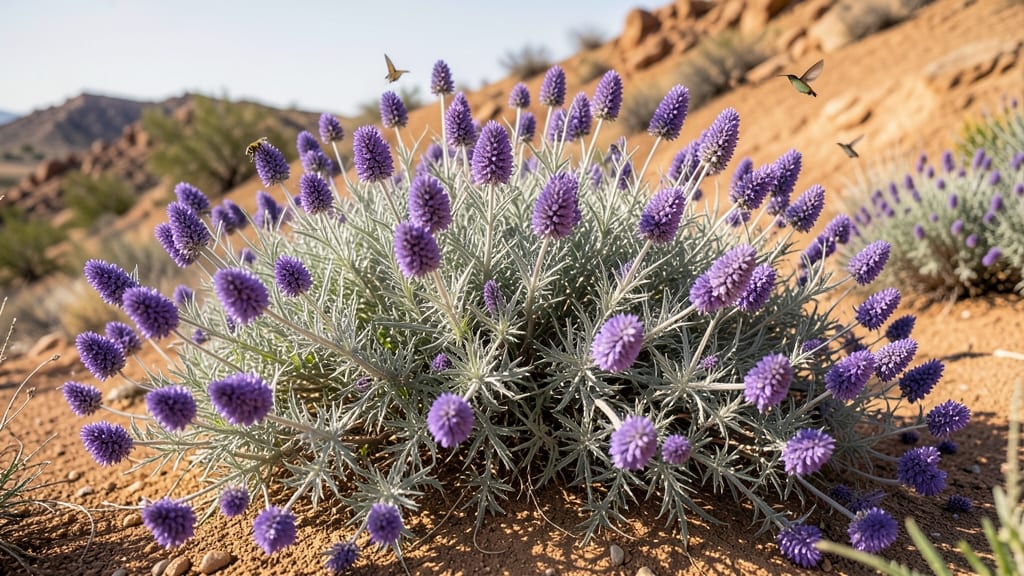
Transform your Zone 10 garden into a buzzing pollinator paradise with California native buckwheat (Eriogonum fasciculatum), a drought-resistant powerhouse that thrives where others fail. This purple-blooming perennial not only attracts bees, butterflies, and hummingbirds but also stabilizes slopes and prevents erosion with its deep root system.
Plant buckwheat in full sun and well-draining soil—it tolerates poor conditions once established. Deadhead spent blooms to encourage continuous flowering from spring through fall. Its striking foliage and flowers make it a standout in wildflower meadows or as a focal point in dry gardens.
Perfect for beginner gardeners and eco-conscious landscapers, this low-maintenance plant requires minimal water once rooted. 🌟
Mexican Sunflower for Year-Round Color
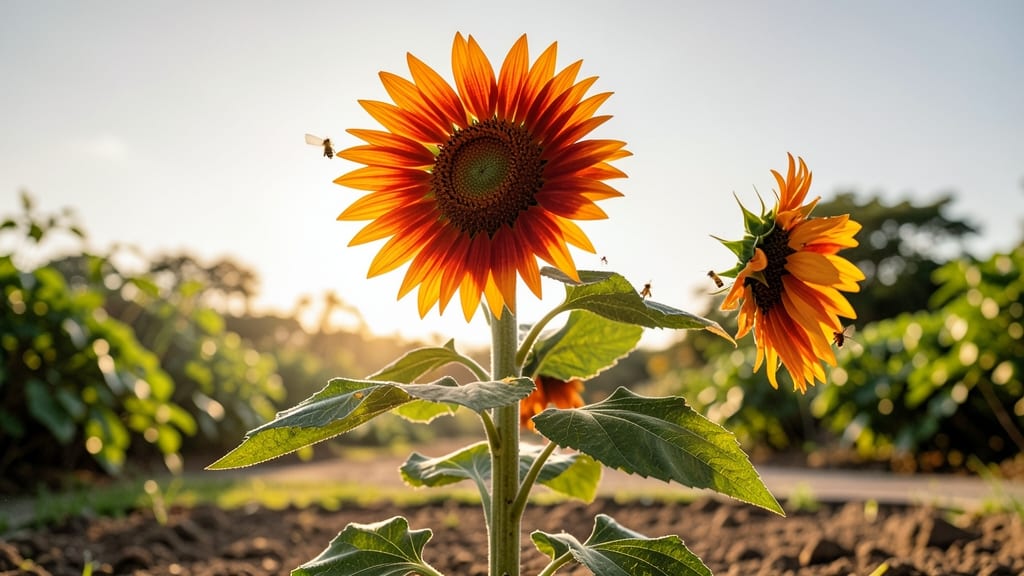
Want a plant that blooms from summer until frost with minimal effort? The Mexican sunflower (Tithonia rotundifolia) delivers bold, fiery colors while supporting pollinators—no complicated care required.
This fast-growing annual reaches 3-6 feet tall and thrives in full sun with well-drained soil, making it perfect for borders, wildflower meadows, or even container gardens. Deadhead spent blooms to encourage nonstop flowering, and watch monarch butterflies flock to its nectar-rich flowers. It's also deer-resistant, so you won’t lose your hard work to hungry browsers.
Ideal for beginners or busy gardeners, Mexican sunflowers add drama without fuss. Plant seeds directly after the last frost for instant summer color that lasts until winter. 🌻
Toyon Holly for Wildlife-Friendly Structure
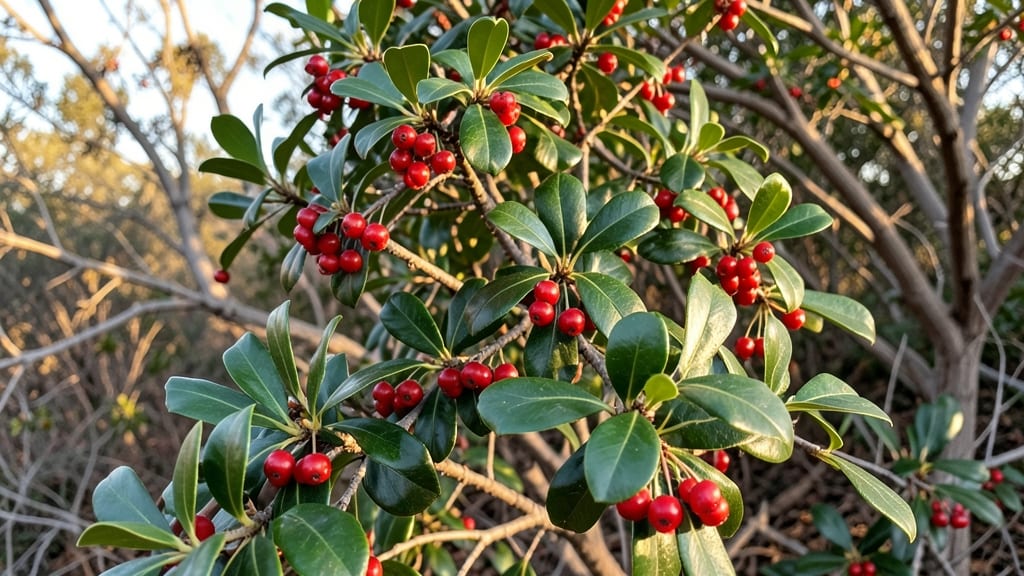
Looking for a low-maintenance evergreen shrub that doubles as a bird buffet? Toyon holly delivers year-round structure with its glossy leaves and clusters of bright red berries that feed birds from fall through winter—long after other plants have faded.
This native California shrub thrives in full sun to partial shade and becomes drought-tolerant once established, making it perfect for water-wise gardens. Prune lightly in late winter to shape, but avoid heavy cuts that remove next year's berries. Its holly-like foliage provides year-round interest while supporting wildlife ecosystems.
Ideal for gardeners who want structure without the upkeep of formal hedges, Toyon holly is especially valuable in urban landscapes where native plants are scarce. 🌟
California Fuchsia for Hummingbird Magnet
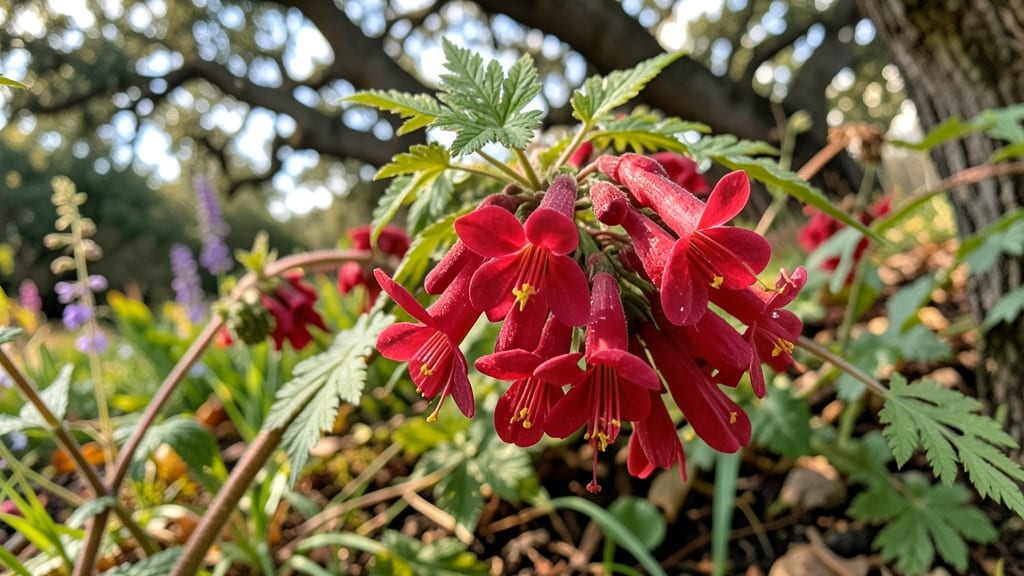
Want to turn your garden into a hummingbird hotspot without sacrificing shade? California fuchsia delivers with its tubular red flowers that hummingbirds can't resist—while thriving in partial shade where many plants struggle.
This native beauty produces cascading stems up to 3 feet long, perfect for spilling over walls, trellises, or garden edges. Plant in well-draining soil with morning sun and afternoon shade, and expect blooms from late spring through fall. The evergreen foliage provides year-round interest even when not in flower.
Urban gardeners and shade-loving plant enthusiasts will appreciate how California fuchsia fills vertical spaces without demanding full sun. 🌻
Yarrow for Pollinator Superfood Garden
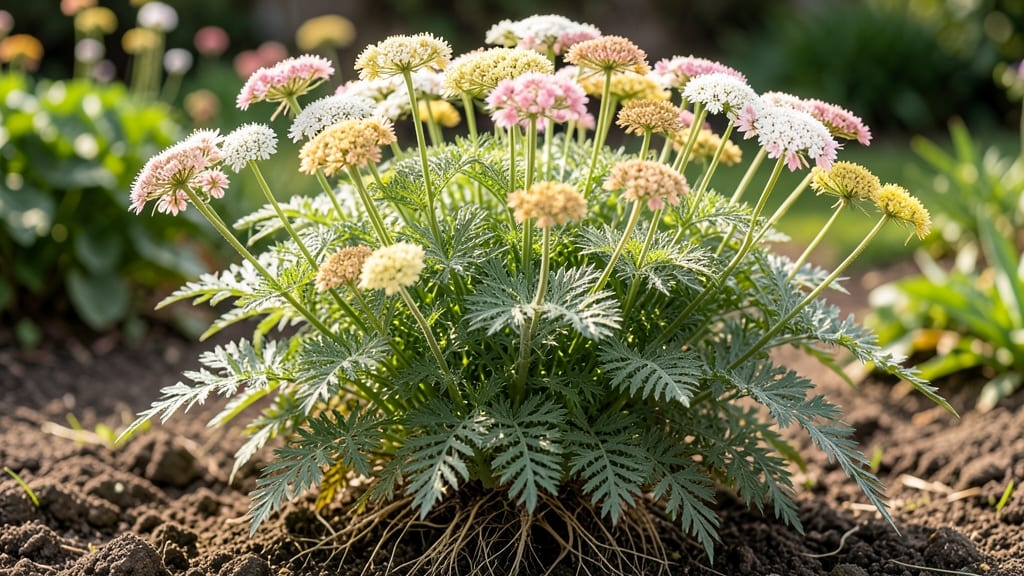
Looking for a low-maintenance perennial that doubles as a pollinator magnet and soil superfood? Yarrow delivers all three with its feathery foliage and flat-topped flower clusters in shades of white, pink, or yellow.
This medicinal powerhouse thrives in full sun to partial shade and improves soil through deep, fibrous roots that break up compacted earth. Its tiny flowers attract bees, butterflies, and beneficial wasps, making it a must-have for organic gardeners. Deadhead spent blooms to encourage continuous flowering from spring through fall.
Ideal for beginner gardeners and pollinator advocates, yarrow’s drought tolerance and deer resistance make it a reliable choice for Zone 10 landscapes. 🌟
Cleveland Sage for Drought-Proof Groundcover
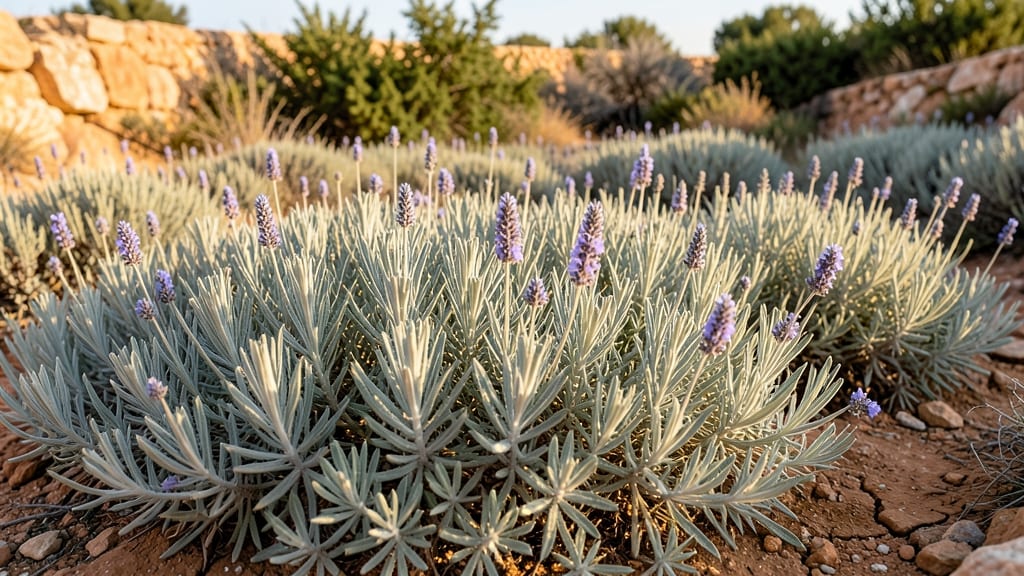
If you're tired of battling weeds and watering constantly, Cleveland sage is your low-maintenance solution for a lush, fragrant landscape. This evergreen perennial thrives in poor, rocky soil and forms dense mats that crowd out invasive plants—no irrigation needed once established.
With its silvery-gray foliage and purple-blue flower spikes in spring, it adds texture and color while repelling deer and rabbits. Prune back by one-third after flowering to encourage bushier growth, and enjoy its citrusy aroma when brushing against the leaves. It’s perfect for slopes, borders, or even as a living mulch.
Ideal for beginners or busy gardeners, Cleveland sage offers year-round greenery with almost zero upkeep. Plant it in full sun and watch it transform dry, challenging areas into fragrant, vibrant spaces. 🌿
California Poppy for Low-Water Meadows
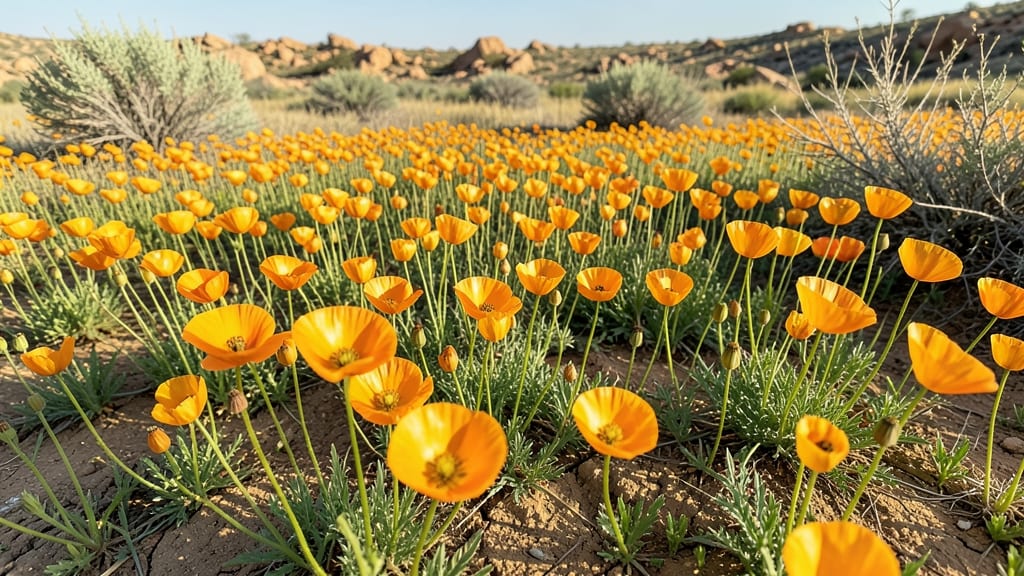
Want to create a golden carpet of flowers that thrives on neglect and turns your landscape into a pollinator paradise? The California poppy is your effortless solution—this iconic state flower spreads naturally, loves dry conditions, and blooms year after year with almost no care.
Plant seeds directly in well-draining soil after the last frost, and watch them self-seed into cheerful meadows. They flourish in full sun with minimal water once established, making them perfect for slopes, borders, or even between pavers. The delicate, cup-shaped blooms open in the morning, close by afternoon, and attract bees while repelling deer.
This is the ideal plant for beginner gardeners or anyone craving low-maintenance beauty. Just scatter seeds and let nature take over—your golden meadow will reward you with color for decades. 🌻
Manzanita for Year-Round Interest
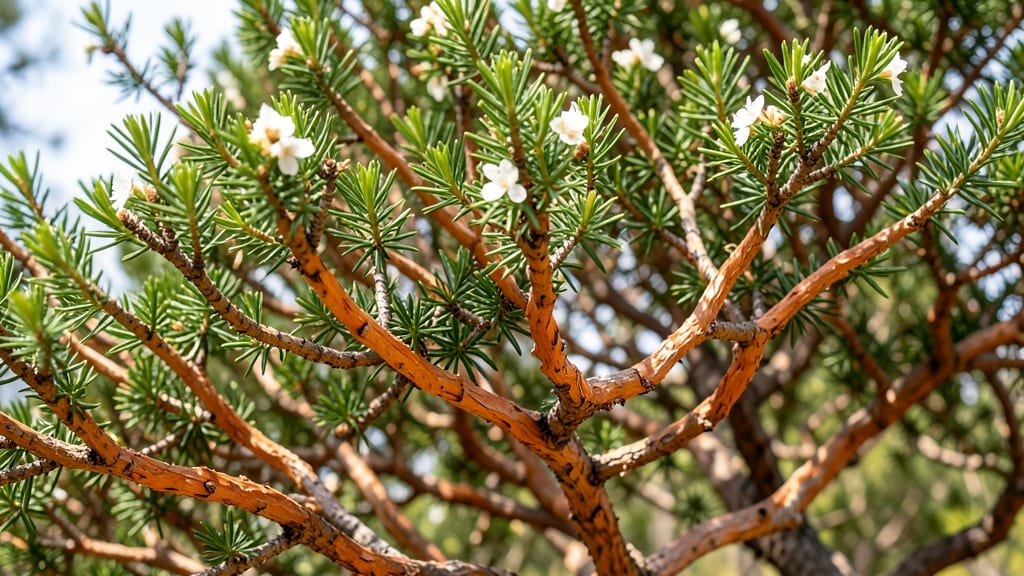
If you're craving a plant that delivers year-round visual drama without the fuss of seasonal color changes, manzanita is your answer. This slow-growing evergreen shrub thrives in Hardiness Zone 10, offering peeling cinnamon-colored bark that adds texture even in winter and delicate white spring flowers that attract native pollinators.
Plant manzanita in well-draining soil with full sun to partial shade, and once established, it becomes drought-tolerant—perfect for water-wise gardens. Its compact growth habit (typically 6-10 feet tall) makes it ideal for hedges, slopes, or as a focal point in dry landscapes. The winter interest from its bark and spring blooms ensure your garden stays lively year-round.
This native shrub also provides habitat for birds and insects, making it a great addition for wildlife gardens. Perfect for gardeners who want low-maintenance structure with natural beauty. 🌿
Blanket Flower for Long-Blooming Beauty
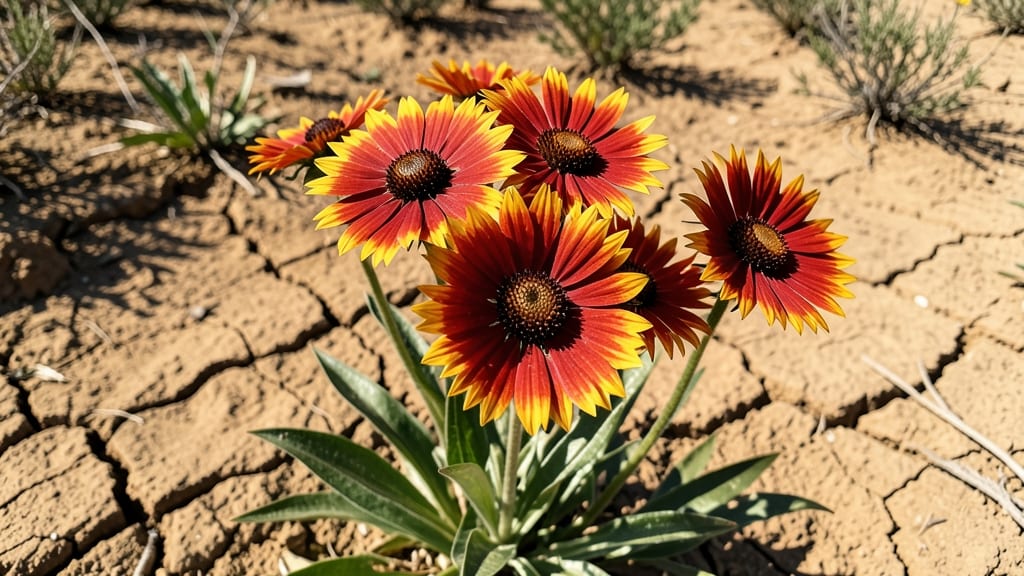
If you're looking for a heat-tolerant perennial that keeps blooming until frost, blanket flower (Gaillardia) is your answer. This drought-resistant beauty thrives in full sun, making it perfect for Zone 10's hot summers while requiring minimal water once established.
Available in vibrant shades like red, orange, and yellow, blanket flower produces daisy-like blooms that attract bees, butterflies, and hummingbirds. Deadhead spent flowers to encourage continuous blooming, and enjoy its cheerful display from late spring through fall. It's ideal for borders, containers, or wildflower meadows.
Perfect for busy gardeners or those with dry soil, blanket flower brings effortless color and pollinator support to your landscape. 🌻
Coastal Wood Fern for Shady Ecosystems

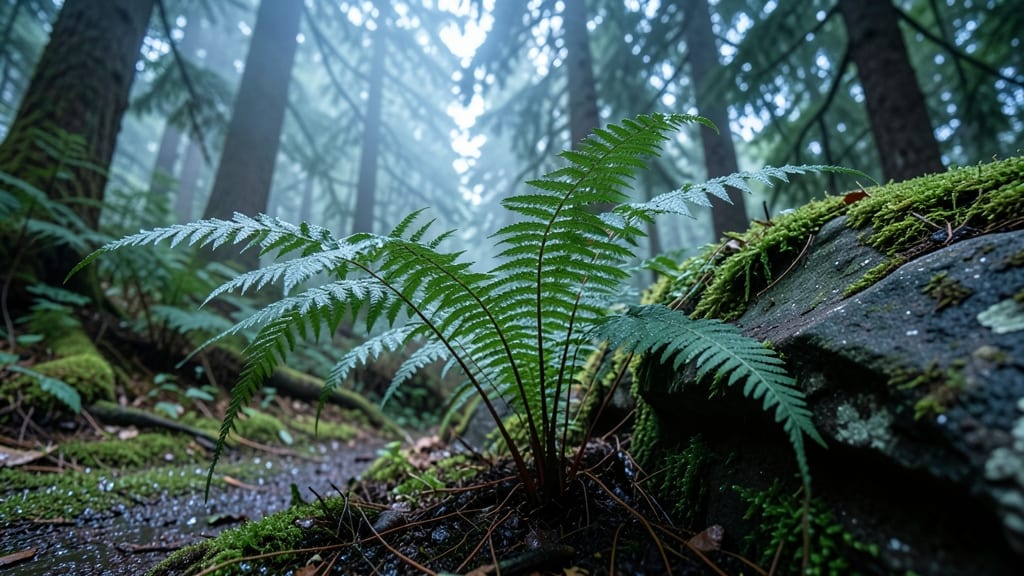
Turn your shady, damp corners into thriving ecosystems with the coastal wood fern—a native beauty that thrives where others falter. This understory specialist loves moist, shaded spots and creates lush texture that softens woodland gardens, slopes, and even rocky outcrops.
Unlike high-maintenance ferns, coastal wood fern is low-care once established, tolerating everything from partial shade to dappled sunlight. Its delicate fronds provide year-round habitat for beneficial insects like ladybugs and lacewings, while its deep roots help stabilize soil on slopes. Perfect for gardeners who want to recreate a natural understory without the upkeep of flowering plants. 🌿