
Plants
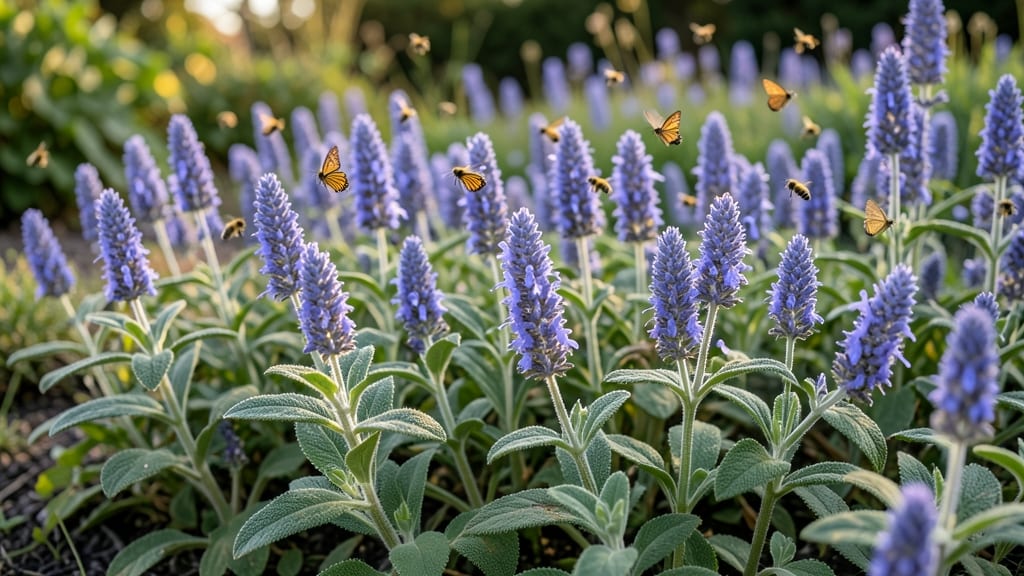
Zone 3 gardeners know brutal winters demand plants with serious staying power. These 10 cold-hardy species survive freezing temperatures, drought, and poor soil while delivering beauty, food, and ecosystem benefits year after year.
Russian Sage For Winter Interest

When winter winds howl and other perennials slump under snow, Russian sage stands tall like a silver sentinel. This drought-tolerant beauty thrives in Zone 3 winters, its upright stems defying frost while its silvery foliage adds texture to bleak landscapes.
Plant it in full sun with well-drained soil—it handles neglect like a pro, needing only occasional water once established. The purple-blue flower spikes emerge in midsummer and linger into fall, attracting bees and butterflies when few other plants are blooming. For maximum impact, pair it with ornamental grasses or lavender in sunny borders.
Perfect for busy gardeners, Russian sage requires zero pruning and spreads slowly to avoid taking over. Its year-round structure makes it a standout in winter interest gardens. 🌿
Wintergreen Heuchera For Ground Cover

Tired of bare spots under trees or on shady slopes where nothing seems to grow? Wintergreen heuchera is your secret weapon for Zone 3 shade gardens, delivering vibrant foliage color even when other plants are dormant.
This evergreen ground cover thrives in full to partial shade and handles -40°F winters with ease, making it perfect for containers, rock gardens, or erosion-prone slopes. Varieties like 'Palace Purple' or 'Plum Pudding' offer rich burgundy leaves that contrast beautifully with winter snow. Simply plant crowns 12-18 inches apart and mulch lightly to protect roots.
Urban gardeners and woodland gardeners will love how wintergreen heuchera transforms dull corners into year-round color displays with minimal care. It's the ultimate shade-tolerant plant that actually gets better with age! 🌱
Hardy Kiwi Vine For Fast Growth

Want a living privacy screen that survives -40°F winters while bearing fruit? The hardy kiwi vine (Actinidia arguta) delivers both beauty and harvests in Zone 3's harshest conditions. Unlike tropical kiwis, this cold-hardy variety thrives in your climate, producing sweet, edible fruits with a crisp texture perfect for fresh eating.
Plant female and male vines together for pollination, and watch them grow 10-15 feet per season when trained on a sturdy trellis. The deciduous foliage turns golden in autumn, adding seasonal interest, while the vine itself provides year-round privacy. For best results, choose a south-facing wall for maximum sunlight—this vine needs full sun to partial shade to produce abundant fruit.
Urban gardeners and homesteaders will love this dual-purpose plant, as it transforms fences into edible landscapes while requiring minimal maintenance. Just be patient—it takes 2-3 years to bear fruit, but the reward is worth the wait! 🌱
Candytuft Perennial For Spring Blooms

When your garden still looks like a winter wonderland while others are bursting with color, candytuft (Iberis sempervirens) steps in as the unsung hero of early spring. This evergreen perennial blooms as soon as temperatures rise above freezing, often in late winter or early spring—sometimes even through light snow.
Unlike finicky spring bloomers, candytuft thrives in rocky, poor, or well-draining soils where other plants struggle. Its delicate clusters of white, pink, or lavender flowers provide crucial nectar for bees and butterflies when food sources are scarce. Simply shear back spent blooms after flowering to encourage a second flush in late summer.
Perfect for rock gardens, alpine beds, or edging pathways, candytuft’s low-growing habit (6–12 inches tall) makes it ideal for small spaces. Zone 3 gardeners will love how it stays green all winter long. 🌷
Siberian Peashrub For Edible Pods

The Siberian peashrub (Caragana arborescens) is the ultimate multitasker for cold climates—it fixes nitrogen in the soil, produces edible peas, and blooms with fragrant purple flowers that hummingbirds adore. This hardy shrub thrives in Zone 3’s harsh winters while requiring almost no care, making it a permaculture gardener’s dream.
Plant it in full sun to partial shade and well-draining soil, where it will grow 8–12 feet tall with minimal watering once established. The edible pods (technically legumes) ripen in late summer and can be eaten fresh or dried, while the nitrogen-fixing roots improve soil fertility for neighboring plants. Deer and rabbits typically avoid it, adding another layer of resilience.
This shrub is ideal for urban homesteaders, pollinator gardens, and erosion-prone slopes—it’s a workhorse that rewards you with both beauty and bounty. 🌻
Dwarf Alberta Spruce For Year-Round Structure

Tired of fighting with unruly shrubs that demand constant pruning? The Dwarf Alberta Spruce (Picea glauca 'Conica') is nature's perfect miniature evergreen—growing just 2-4 feet tall with a sculptural, cone-shaped form that stays tidy without a single snip. This slow-growing beauty thrives in Zone 3's harshest winters, making it a rockstar for foundation plantings and alpine gardens.
Plant it in full sun to partial shade with well-draining soil, and watch it develop its signature dense blue-green needles that hold their color year-round. Unlike fast-growing shrubs, this spruce matures at a glacial pace—adding only 3-6 inches annually—so you'll enjoy its structured beauty for decades. It's equally happy in rock gardens, containers, or as a focal point near entryways.
Urban gardeners and small-space landscapers will love how this low-maintenance plant adds texture and vertical interest without overwhelming your yard. Plus, its wind-resistant branches make it ideal for exposed sites where other plants struggle. 🌿
Crown Imperial Fritillary For Bold Foliage

When your garden feels like a winter wasteland, Crown Imperial Fritillary (Fritillaria imperialis) emerges as a bold early-season hero. This striking perennial pushes through snowpack with dramatic, sword-like foliage that announces spring's arrival with unmatched confidence.
Unlike fussy perennials, this plant thrives in dry, rocky soils and full sun to partial shade, making it perfect for challenging spots where other plants struggle. Its vertical growth habit (reaching 3-5 feet) creates instant drama in borders, while its fragrant, bell-shaped flowers add a touch of exotic beauty. Deadhead spent blooms to encourage more foliage production for next season.
Ideal for gardeners with limited soil quality or those craving early-season interest, Crown Imperial Fritillary rewards patience with years of striking foliage and occasional flower spikes. Just be prepared for its toxic nature—keep it away from pets and children. 🌱
Bearberry Cotoneaster For Wildlife Support

If you're looking to create a wildlife haven in your Zone 3 garden without sacrificing beauty or ease of care, bearberry cotoneaster is your secret weapon. This low-growing evergreen shrub thrives in poor, sandy soils and produces bright red berries that birds adore—while adding year-round structure to your landscape.
Perfect for alpine gardens or erosion-prone slopes, bearberry cotoneaster handles full sun to partial shade and tolerates temperatures down to -40°F. Its dense, spreading habit helps stabilize soil while its glossy leaves stay vibrant even in winter. Plant it in rock gardens, borders, or as a ground cover where other plants struggle.
This hardy shrub is ideal for gardeners who want low-maintenance beauty with a wildlife-friendly twist. 🌟
Russian Olive Tree For Drought Resistance

When your yard looks more like a dust bowl than a garden, the Russian olive tree steps in as your drought-defying hero. This hardy tree thrives where others fail—surviving extreme cold, poor soil, and even urban pollution, making it perfect for challenging landscapes.
Growing up to 20 feet tall, its silvery foliage and golden autumn hues add seasonal interest while providing a windbreak that protects homes and gardens. Plant it in full sun with minimal watering—once established, it requires almost none. The tree’s deep roots also help prevent erosion, making it ideal for slopes or areas with compacted soil.
Urban gardeners and rural landowners alike will appreciate its low-maintenance nature. Whether you need a fast-growing screen or a resilient tree for harsh conditions, the Russian olive delivers beauty and function without the fuss. 🌟
Catmint For Pollinator Magnet

If you're tired of battling deer while trying to create a buzzing pollinator garden, catmint is your secret weapon. This hardy perennial not only thrives in Zone 3's tough conditions but also repels deer while attracting bees and butterflies for months on end.
Catmint's lavender-blue flowers bloom from early summer through fall, providing continuous nectar for pollinators when many other plants have finished their show. It's equally at home in poor, rocky soils where other perennials struggle, and its slow-spreading habit creates naturalizing ground covers without becoming invasive. Simply deadhead spent blooms to encourage more flowers and watch your garden transform into a pollinator paradise.
Perfect for low-maintenance borders, wildlife gardens, or dry slopes, catmint gives you beauty, function, and resilience all in one package. It's especially valuable for gardeners who want to support local ecosystems without extra effort. 🌿