
Planting
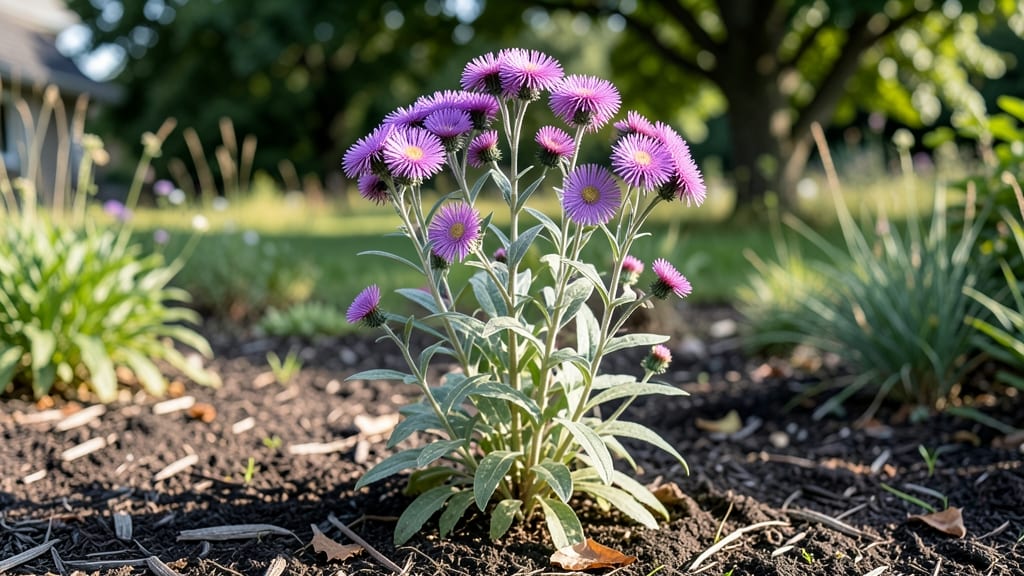
Plants hardy to Zone 4 can withstand winters down to -30°F, including coneflowers, Russian sage, and dwarf lilacs that require no extra winter protection. Evergreens like spruces and junipers also thrive with proper soil drainage.
Zone 4's extreme cold forces plants to develop special survival strategies, like antifreeze proteins that prevent ice crystal formation in cells. 🌱 Many of these hardy varieties also rely on deep root systems that insulate against temperature swings, while others enter dormancy—shutting down growth until spring.
The key is matching plants to your specific microclimate, since factors like afternoon sun exposure or wind patterns can push some varieties just beyond their limits.
For example, while Russian sage handles -30°F easily, its purple blooms may scorch in hot summers without afternoon shade. Meanwhile, spruces like Colorado blue can tolerate both cold and dry soil, but their roots need excellent drainage to prevent winter desiccation.
I always recommend testing soil moisture in late winter—if it's bone dry, you'll need to adjust planting spots or add organic mulch to retain moisture during spring thaw.
💡 In This Article
- How Cold Tolerance Works in Zone 4 Plants
- Best Low-Maintenance Zone 4 Perennials for Year-Round Color
How cold tolerance works in Zone 4 plants
Zone 4 plants have evolved sophisticated survival mechanisms to endure temperatures plummeting to -30°F. One key strategy is the production of antifreeze proteins, which bind to ice crystals and prevent them from growing larger—similar to how salt melts ice on roads.
These proteins are particularly active in evergreens like spruces, where they protect cell membranes from rupturing during freeze-thaw cycles. 🌲 Another critical adaptation is deep root systems that store carbohydrates and act as natural insulation, maintaining soil temperatures several degrees warmer than the air above.
The USDA's -30°F threshold for Zone 4 isn't just about surviving winter—it's about how plants balance cold hardiness with their growth cycles. Many perennials, like coneflowers, enter dormancy by converting sugars into antifreeze compounds and shutting down metabolic processes until spring.
This dormancy isn't just passive; it's an active state where plants reduce water content in cells to 30-50% of summer levels, preventing ice formation. Russian sage takes this further by developing a thick, woody base that acts as a thermal buffer against temperature swings.
Soil composition plays a surprising role in cold tolerance. Sandy soils drain quickly but don't retain heat, while clay holds moisture that can freeze solid—both extremes stress plants. The ideal is loamy soil with 25-30% organic matter, which improves water retention and provides insulation.
Evergreens like junipers actually benefit from dry, well-drained soil because wet conditions can cause root rot during spring thaws. I've found that adding 3-4 inches of organic mulch (like shredded bark) in fall can raise soil temperatures by 5-10°F during winter months.
Microclimates create another layer of complexity. A south-facing wall can raise temperatures by 10°F compared to open areas, allowing more tender plants to survive. Wind patterns matter too—exposed sites lose heat 30% faster than sheltered spots.
This is why Russian sage thrives in my Zone 4 garden's windbreak area, while the same plant struggles just 20 feet away in an open bed. Understanding these factors helps explain why some plants labeled "Zone 4 hardy" may still need protection in your specific location.
What most gardeners don't realize is that cold tolerance varies by plant part. While the roots of a dwarf lilac might survive -30°F, the stems can be damaged at -20°F without snow cover.
This is why pruning in late winter (after the worst cold) is crucial—it removes any winter-killed wood while preserving the hardiest growth. The timing of this pruning coincides with the plant's natural dormancy break, typically when daytime temperatures reach 40°F consistently.
For evergreens, winter desiccation is often the bigger threat than cold itself. Needles lose moisture through transpiration even when frozen, which is why proper watering in late fall (before ground freezes) is essential. A 3-inch layer of mulch around junipers can reduce moisture loss by 20-30% compared to bare soil.
The science here involves creating a protective barrier that maintains soil moisture while preventing temperature fluctuations that cause stress.