
Pruning
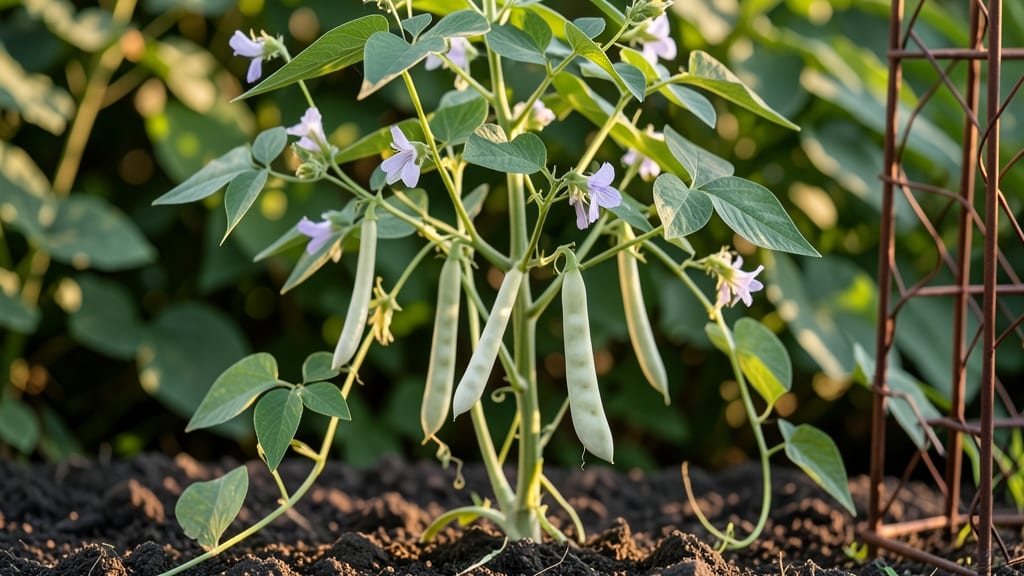
Ice cream bean trees grow best in USDA hardiness zones 10 through 12, where they can handle warm climates without frost damage. These tropical plants need temperatures above 30°F (-1°C) year-round and full sun exposure for healthy growth and seed production.
These trees originate from Central and South America, where they naturally thrive in humid, tropical environments with consistent warmth. 🌿 The roots are particularly sensitive to cold, so even brief exposure to frost can kill the plant.
In their ideal zones, they produce edible ice cream bean pods that taste like vanilla ice cream when roasted, but this requires perfect growing conditions. Without proper warmth, the tree's growth slows dramatically, and it may fail to produce pods altogether.
For gardeners in cooler climates, container growing with winter protection is often the best solution. Moving potted trees indoors during winter months can extend their lifespan significantly.
I've seen success with grow lights during shorter winter days to maintain the 12+ hours of sunlight these tropical plants need to stay healthy.
💡 In This Article
- Understanding Ice Cream Bean Tree Climate Requirements
- Growing Ice Cream Beans in Non-Native Zones: Container and Greenhouse Solutions
Understanding ice cream bean tree climate requirements
The ice cream bean tree, scientifically known as Inga edulis, originates from the tropical rainforests of Central and South America, where it naturally thrives in USDA zones 10-12.
This explains why it demands consistent warmth—its ideal daytime temperatures range between 75-90°F (24-32°C), while nights should stay above 65°F (18°C) to prevent stress. The tree's roots, in particular, are highly sensitive to cold, as they lack natural insulation found in temperate species.
Even a single night below 50°F (10°C) can stunt growth, while frost at 32°F (0°C) or lower is fatal due to cellular damage in the roots and leaves.
Humidity is another critical factor, as these trees prefer 60-80% atmospheric moisture to mimic their native rainforest environment. In drier conditions, the leaves may curl or drop prematurely, signaling stress. The tree's large, compound leaves transpire heavily, which is why consistent moisture in both soil and air is essential.
Unlike drought-tolerant species, ice cream bean trees cannot recover quickly from dehydration—wilting often leads to irreversible damage. 🌿 What's fascinating is how the tree's growth rate accelerates in high humidity; in ideal conditions, it can grow 3-5 feet (0.9-1.5 meters) per year, producing abundant pods within 3-5 years.
The tree's inability to tolerate frost stems from its lack of cold-hardening mechanisms, which temperate plants develop during winter. Frost causes ice crystals to form in the tree's vascular system, disrupting water transport and leading to rapid cell death.
Even brief exposure to 30°F (-1°C) can kill the roots permanently, as they lack the protective suberin layer found in cold-resistant species.
This is why gardeners in zones 9 and below must treat ice cream bean trees as seasonal or container plants—their survival depends entirely on maintaining above-freezing temperatures year-round.
Sunlight requirements are equally critical, with the tree needing full sun exposure (6-8 hours daily) to produce the energy needed for pod development. In shaded conditions, growth slows dramatically, and pods may fail to form altogether.
The tree's large canopy can create its own microclimate, but this only works in warm zones.
In cooler climates, even full sun exposure won't compensate for temperature limitations—without warmth, photosynthesis efficiency drops by 30-50%, directly impacting pod yield. 🌞 This is why many growers supplement with grow lights during shorter winter days, maintaining the 12+ hours of light the tree requires for optimal health.
One often-overlooked aspect is the tree's soil temperature preference. The roots thrive in soil that stays above 60°F (15°C), which is why container growing is so effective—pots warm up faster in sunlight and can be moved to protected areas during cold snaps.
In-ground planting in cooler zones risks root damage from cold soil, even if air temperatures are mild. The key takeaway is that ice cream bean trees are not adaptable to cold; they require a tropical climate simulation year-round, whether through natural warmth or human intervention.
For those in zones 7-9, the challenge isn't just about temperature—it's about replicating the tree's native environment. This means combining warm microclimates, high humidity, and extended daylight. Without these, the tree may survive as a slow-growing ornamental but will rarely produce the prized ice cream bean pods.
The effort is worth it, though, as a single healthy tree can yield hundreds of pods per season when conditions are perfect. 🌱