
Planting
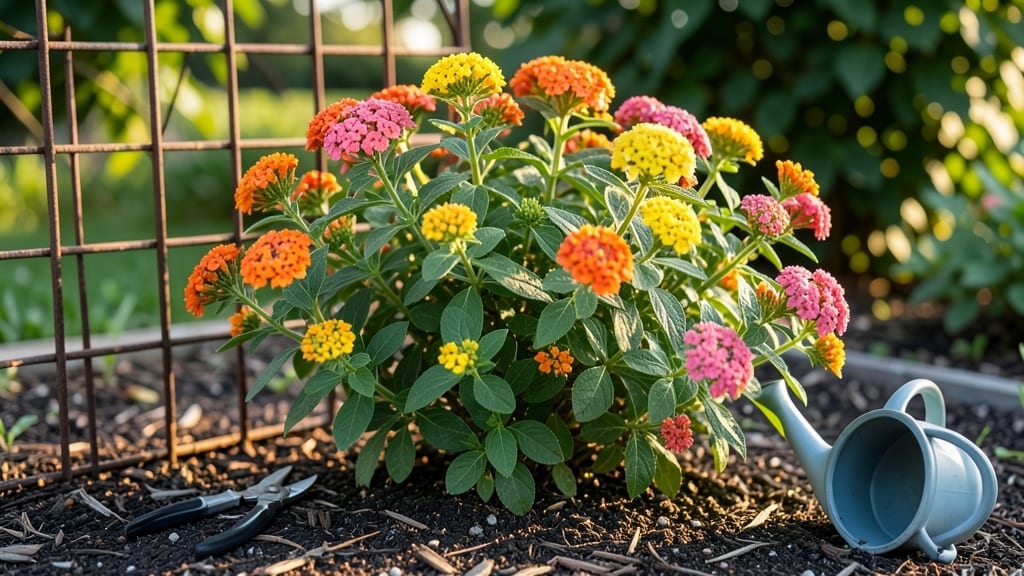
Lantana grows beautifully in Zone 7 when you choose the right types and follow seasonal care, thriving in full sun and well-draining soil. Cold-tolerant varieties like Lantana camara 'Miss Huff' overwinter as perennials, while tropical types require winter protection or replanting each spring to keep blooms vibrant.
Zone 7's mild winters make it possible to grow lantana as a perennial with the right preparation. 🌿 The key is selecting cold-hardy varieties that can handle occasional dips below freezing, while still delivering those signature clusters of colorful blooms.
I've found that 'Miss Huff' and the 'Bandana Series' are my top picks—they not only survive but often rebound with even more vigor after winter.
For tropical varieties, a little extra care like moving containers indoors or covering plants with frost cloth can make all the difference in keeping your garden colorful year-round.
What sets Zone 7 apart is how microclimates can affect lantana performance. In areas with colder pockets, even cold-hardy varieties might need a bit of winter protection, while warmer microclimates allow for more tropical species.
The right planting timing—typically early spring or fall—gives roots time to establish before winter stress sets in. This balance between variety selection and seasonal care is what transforms lantana from a summer-only plant into a year-round garden star.
💡 In This Article
- Cold-Hardy Lantana Varieties for Zone 7 Gardens
- Zone 7 Lantana Planting and Pruning Calendar
Cold-hardy lantana varieties for Zone 7 gardens
Zone 7's climate presents unique challenges for lantana growers, with winter temperatures often dipping into the 20-25°F range. The key to success lies in selecting varieties specifically bred for cold tolerance, like Lantana camara 'Miss Huff' and the Bandana Series.
These cultivars have undergone selective breeding to enhance their cold resistance, allowing them to survive winter dormancy with minimal damage. What sets them apart is their ability to regenerate quickly from the base after cold snaps, unlike tropical varieties that often suffer dieback or complete winter kill.
The Bandana Series stands out for its wide color spectrum—offering shades like pink, yellow, orange, and purple—while maintaining excellent cold tolerance. These varieties can handle temperatures down to 15°F with proper care, making them ideal for Zone 7's more challenging winters.
Their compact growth habit (typically 2-3 feet tall) also makes them perfect for garden beds, containers, or as border plants. The secret to their resilience lies in their thick, woody stems that store energy for regrowth, a trait absent in tropical lantanas.
For gardeners in Zone 7, choosing the right variety means more than just survival—it translates to longer bloom seasons. Cold-hardy lantanas often produce flowers from late spring through early fall, with some varieties reblooming in late summer after a winter rest.
This extended flowering period creates a continuous display of color that tropical varieties simply can't match. The trade-off? Cold-hardy types may have slightly smaller blooms compared to tropical varieties, but their durability and prolonged season make them the clear winner for Zone 7 gardens.
Understanding the science behind cold tolerance helps explain why some varieties thrive while others fail. Cold-hardy lantanas have developed mechanisms to protect their cellular structures during freezing temperatures, including increased production of protective proteins and sugars that act as antifreeze within plant cells.
This biological adaptation allows them to survive temperatures that would be fatal to tropical varieties, which lack these protective compounds. The result? A plant that not only survives winter but often returns with renewed vigor in spring.
When comparing cold-hardy to tropical varieties, the differences become clear in both growth patterns and care requirements. Tropical lantanas, like Lantana montevidensis, may produce more abundant blooms in summer but require removal or protection during winter.
Cold-hardy types, however, establish deeper root systems that help them withstand winter's challenges. This root strength is particularly valuable in Zone 7, where soil temperatures can fluctuate dramatically between seasons.
For gardeners looking to maximize their lantana's potential in Zone 7, starting with cold-hardy varieties provides the foundation for success.
The right choice means less winter stress, more reliable blooms, and a plant that becomes a true garden staple rather than a seasonal visitor. 🌸 The investment in cold-tolerant types pays off in both beauty and ease of care throughout the year.