
Planting
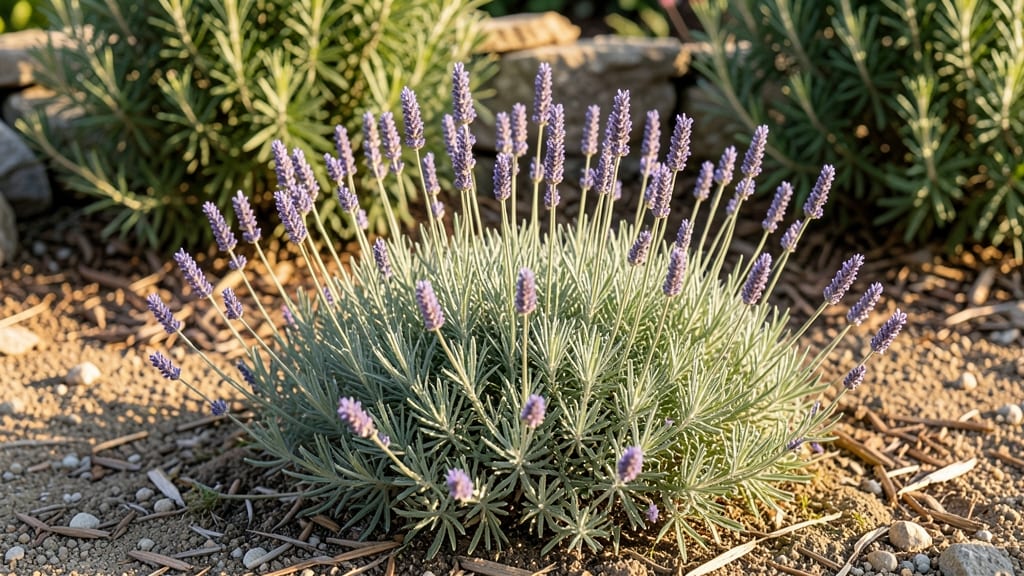
Lavender thrives in Zone 8 when planted with heat-tolerant varieties like 'Grosso' or 'Munstead,' ensuring full sun exposure and well-drained soil. Spring or early fall planting maximizes root establishment, while light mulching prevents rot and winter protection adapts to local temperature fluctuations.
Lavender in Zone 8 faces unique challenges like summer humidity and occasional winter freezes, but the right approach makes it completely doable. 🌿 The key is selecting varieties bred for heat tolerance—like Spanish lavender—which handle the extra warmth better than traditional English types. I’ve found that pairing these with proper soil drainage (sandy loam works best) and a 3-inch layer of gravel mulch prevents root suffocation while keeping roots cool. What’s interesting is how late summer pruning (after blooming) encourages bushier growth for next year’s flowers, a trick many gardeners overlook.
For those worried about winter survival, don’t panic—most Zone 8 lavenders handle 20°F dips just fine, but container-grown plants need extra protection. Wrapping pots in burlap or moving them to sheltered spots during cold snaps can mean the difference between thriving and struggling plants.
The payoff? Fragrant blooms from spring through fall with minimal fuss.
💡 In This Article
- Best Lavender Varieties for Zone 8 Climates
- Zone 8 Lavender Planting and Care Timeline
Best lavender varieties for Zone 8 climates
Zone 8's warm summers and occasional humidity present unique challenges for lavender cultivation. The key to success lies in selecting varieties bred for heat tolerance and drought resistance. Spanish lavender, like 'Grosso', thrives here because its silvery foliage reflects sunlight while its compact growth habit conserves moisture.
This variety's woody stems also handle the extra heat better than English lavender, which can become leggy in 90°F+ temperatures. The fragrance intensity remains strong even in humid conditions, making it ideal for gardeners seeking both beauty and aroma.
For those who prefer the classic English lavender look, 'Munstead' is a top choice in Zone 8. Its deep purple blooms and robust growth make it perfect for hedges, but it requires slightly more attention to soil drainage than Spanish types.
French lavender varieties like 'Provence' offer a middle ground with their heat tolerance and striking color variations, though they may need occasional afternoon shade during peak summer months.
The right choice depends on your specific microclimate—coastal areas benefit from Spanish types' salt tolerance, while inland gardens might prefer English lavender's hardiness.
The science behind these differences lies in each variety's native growing conditions. Spanish lavender evolved in Mediterranean climates with hot, dry summers, making it naturally adapted to Zone 8's conditions.
Its leaves have a waxy coating that reduces water loss, while English lavender's thinner leaves make it more susceptible to wilting in high heat. This biological adaptation explains why Spanish lavender often requires 30% less water once established compared to English varieties.
The fragrance compounds in Spanish lavender are also more stable in warm temperatures, preserving that signature lavender scent gardeners love.
When selecting plants, look for healthy specimens with firm stems and vibrant green foliage. Avoid lavenders with yellowing leaves or powdery mildew signs, as these indicate poor heat tolerance.
The best time to purchase plants is in early spring when nurseries have the freshest stock, giving your lavender a head start before summer's intensity. For container gardening in Zone 8, choose compact varieties like 'Kew Red' that handle heat stress better in limited soil volumes.
The right variety makes all the difference in creating a thriving lavender garden that survives—and even flourishes—in Zone 8's challenging conditions. 🌿
Consider these key factors when choosing lavender for your Zone 8 garden:
- Heat tolerance: Spanish varieties handle 100°F+ temperatures better than English types
- Fragrance: English lavender has stronger scent but needs more care in heat
- Water needs: Spanish lavender requires 30-50% less water once established
- Growth habit: Compact varieties work better in containers or small spaces
For maximum success, match your variety to your specific growing conditions. Coastal gardeners should prioritize salt-tolerant Spanish types, while inland areas might prefer the hardier English varieties. The right choice will reward you with fragrant blooms and lush foliage throughout the growing season. 💫