
Planting
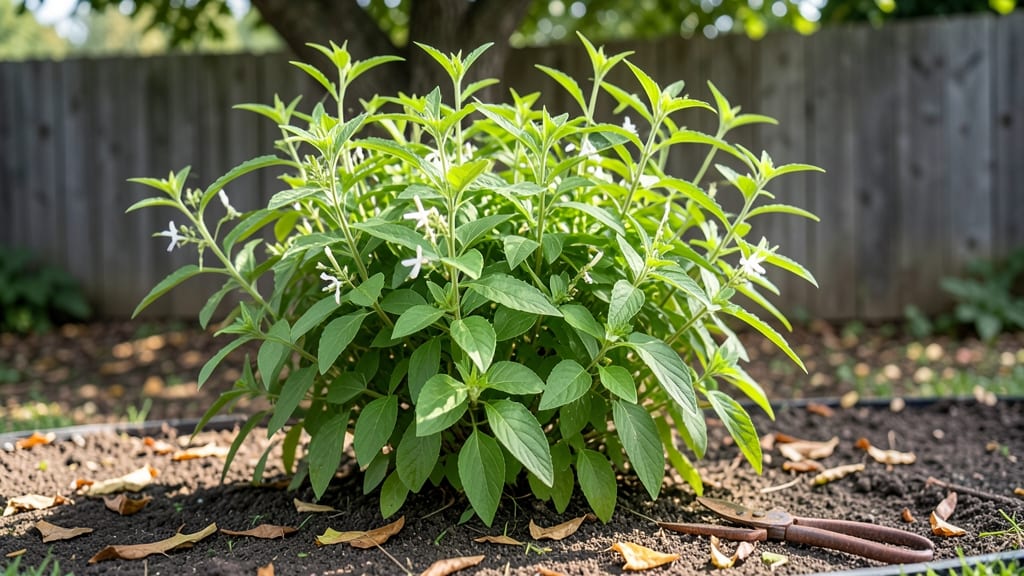
Lemon verbena plants thrive in USDA hardiness zones 8 through 11, where winter temperatures rarely drop below 10°F (-12°C). In colder zones, grow it as an annual or overwinter indoors to protect its delicate foliage from frost damage.
Lemon verbena’s tropical origins explain its sensitivity to cold—any frost will blacken its leaves, and temperatures below 20°F (-7°C) can kill the plant entirely. 🌿 The good news? With the right strategies, you can enjoy its vibrant lemony aroma even in cooler climates.
Many gardeners in zones 7 and below treat it as a summer container plant, moving it indoors before the first frost or using cold frames to extend its season.
The key is understanding its limits: while it can handle brief chilly spells, prolonged exposure to freezing temps will damage the plant permanently.
For those in marginal zones, creating a sheltered microclimate—like planting near a south-facing wall or under a patio cover—can make a big difference. Mulching heavily around the base also helps insulate roots, though it won’t fully protect the plant from hard freezes.
If you’re committed to keeping lemon verbena year-round, overwintering indoors under bright grow lights is your best bet, though you’ll need to prune it back to encourage fresh growth in spring.
💡 In This Article
- Lemon Verbena Cold Tolerance and Frost Sensitivity
- Extending Lemon Verbena’s Growing Season in Cooler Climates
Lemon verbena cold tolerance and frost sensitivity
Lemon verbena's tropical heritage explains its cold sensitivity—native to South America, it evolved in climates where temperatures rarely dip below 50°F (10°C). The plant's leaves contain high concentrations of volatile oils (like citronellal) that become unstable when exposed to freezing temps.
At 32°F (0°C), these oils start breaking down, causing the leaves to turn black and crispy—a process called cold necrosis. This damage isn't reversible, which is why even light frosts can devastate the plant's appearance, though the roots may survive temporarily.
The plant's woody stems can tolerate slightly cooler conditions than its foliage, but only down to about 20°F (-7°C) for short periods. Below this threshold, cellular damage becomes irreversible, and the entire plant risks death.
What's fascinating is how the damage progresses: at 28-32°F (-2 to 0°C), leaves develop brown patches that spread rapidly, while stems may show frost rings.
The aroma, which comes from those same volatile oils, weakens as the cold sets in—you'll notice a duller, less vibrant lemon scent as the damage progresses. 🌿
This sensitivity isn't just about aesthetics—frost-damaged lemon verbena loses its ability to photosynthesize efficiently. The plant's large, broad leaves are excellent at capturing sunlight in warm climates, but when frozen, they become ineffective solar panels.
This is why gardeners in marginal zones often see their lemon verbena recover from brief cold snaps only to suffer permanent damage when temperatures stay low for more than 24-48 hours. The roots, while hardier, can't compensate indefinitely for lost foliage.
What makes lemon verbena particularly vulnerable is its thin, waxy leaf cuticle—which protects it from heat and evaporation in tropical conditions—offers almost no insulation against cold.
Unlike hardy herbs like rosemary or thyme, which have thick, hairy leaves or woody stems, lemon verbena's delicate structure is optimized for warmth, not frost resistance. Even a light dusting of snow can weigh down the leaves, accelerating damage by preventing gas exchange.
This is why gardeners in cooler climates often describe lemon verbena as "high-maintenance" during winter.
Interestingly, the plant's growth rate also slows dramatically below 60°F (15°C), making it less resilient to temperature fluctuations. In its native habitat, lemon verbena grows continuously in temperatures between 70-90°F (21-32°C), where it can produce new growth every 2-3 weeks.
When exposed to cooler conditions, this growth cycle grinds to a halt, leaving the plant vulnerable to stress. The combination of slow growth and frost sensitivity means that even well-established plants can struggle in zones below 8 without protection.
For those curious about the science, the damage occurs at the cellular level: ice crystals form in the plant's vascular system, rupturing cell walls and blocking nutrient flow.
This is why you'll often see lemon verbena leaves develop a glassy, waterlogged appearance before turning black—a clear sign that internal damage has occurred. The plant's inability to produce new growth quickly in cold conditions means that any frost damage is effectively permanent for that season. 💫