
How To
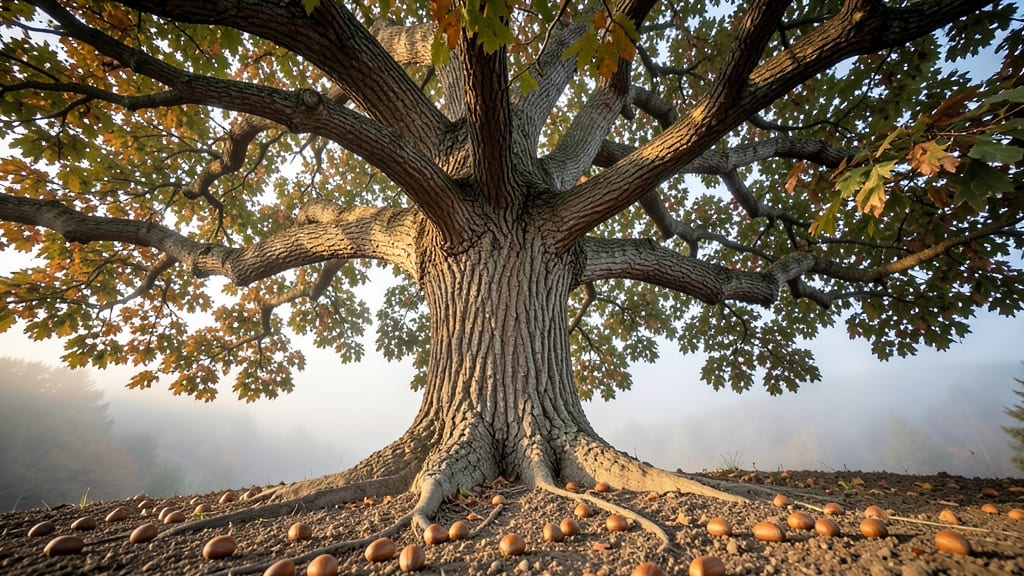
Zone 6 gardeners can grow nut trees that produce bountiful harvests despite cold winters. These 10 fast-growing varieties are cold-hardy, disease-resistant, and perfect for home orchards or small homesteads.
Black Walnut Tree for Shade and Timber

If you're looking for a multi-purpose tree that handles Zone 6 winters with ease, the black walnut (Juglans nigra) delivers both shade and high-value timber—plus delicious nuts. This hardy giant thrives even in the coldest parts of Zone 6, where temperatures dip to -30°F, making it a standout for larger properties.
Black walnuts grow 40–70 feet tall with a broad canopy, providing deep shade while improving soil health through allelopathic root compounds. They produce edible nuts by age 10–15 and yield premium hardwood prized for furniture and gunstocks. Plant in full sun with well-drained soil, spacing saplings 50–60 feet apart to avoid root competition.
Best for homesteaders or landowners with space, this low-maintenance tree rewards patience with both nut harvests and long-term timber value. 🌟
Pecan Tree for Southern Zone 6 Gardens

If your Zone 6 garden enjoys milder microclimates—think sheltered valleys or south-facing slopes—then a pecan tree could be your ticket to homegrown harvests. Unlike its tropical origins, this hardy tree thrives in well-drained soil and produces sweet, buttery nuts that are a staple in Southern kitchens (and worth the effort!).
For best results, plant Curtis or Desirable varieties, which are cold-tolerant enough for Zone 6's lower end. These trees need full sun (6+ hours daily) and deep, sandy loam to prevent root rot, making them ideal for orchards or large backyards. With proper spacing (40-50 feet apart), they’ll reward you with nut production starting as early as 5-7 years, though full harvests take a decade.
Perfect for homesteaders or commercial growers, pecan trees offer year-round interest—spring blooms, summer shade, and autumn’s golden foliage. Their nuts are also a high-value crop, making them a smart investment for those with space and patience. 🌟
Hazelnut Bush for Compact Nut Production

If you dream of harvesting your own nuts but lack space for towering trees, hazelnut bushes like the 'Butler' variety deliver a game-changing solution. These compact shrubs mature in just 3–5 years—unlike their tree counterparts—and thrive in Zone 6’s chilly winters, producing abundant hazelnuts year after year.
Plant 'Butler' in full sun to part shade with well-drained soil, and watch it flourish in containers (15-gallon pots work!) or small garden beds. Prune lightly in late winter to encourage bushier growth, and harvest nuts in late summer to early fall when shells turn brown. They’re also drought-tolerant once established, making them low-maintenance stars.
Perfect for urban gardeners, homesteaders with limited space, or anyone who loves year-round greenery and edible rewards—these bushes turn tiny plots into nut-producing powerhouses. 🌱
Filbert Tree for Cross-Pollination Success

Looking to grow your own nuts without the space for a full orchard? European filbert trees are the perfect solution for Zone 6 gardeners who want a productive, low-maintenance option. Unlike many nut trees, they thrive in cooler climates and produce delicious, crunchy nuts—but here’s the catch: they need a partner!
Plant two different filbert varieties (like 'Gifford' and 'Willamette') within 50 feet of each other to ensure successful pollination and a bountiful harvest. These trees grow 15–20 feet tall, making them ideal for small orchards, community gardens, or even as a privacy hedge. They’re also drought-tolerant once established and handle Zone 6 winters with ease.
Perfect for urban gardeners or homesteaders with limited space, filberts offer a unique way to grow nuts without the upkeep of larger trees. Plus, their early spring blooms attract pollinators, benefiting your entire garden. 🌱
Butternut Tree for Sweet, Moist Nuts

Looking for a nut tree that thrives in Zone 6’s harsh winters while delivering sweet, moist nuts with minimal fuss? The butternut tree is your answer—it’s cold-hardy to -25°F, making it one of the most resilient nut trees for organic gardens and homesteads.
This tree produces large, sweet butternuts with a rich, buttery flavor, and its minimal pest issues mean fewer headaches than other nut varieties. Plant it in well-drained soil with full sun, and it’ll reward you with year-round interest—golden fall foliage and edible nuts in late summer. It’s also a great choice for smaller properties since it grows to a manageable 40–50 feet tall.
Perfect for gardeners who want low-maintenance, high-reward nut production, the butternut tree is a standout for both organic growers and those seeking a sustainable food source. 🌿
Chestnut Tree for Disease-Resistant Harvests

Tired of losing nut trees to blight? The 'Dunstan' chestnut tree is your disease-resistant solution—specifically bred to outsmart the fungal threats that plague traditional varieties. Unlike its vulnerable cousins, this hybrid thrives in Zone 6's cold winters while producing sweet, edible chestnuts with minimal fuss.
Plant it in full sun to partial shade, giving it at least 20 feet of space to mature (urban gardeners can opt for dwarf cultivars). The blight-resistant foliage means fewer chemical treatments, and the nuts—harvested in fall—are perfect for roasting or baking. This tree adapts to both rural fields and city lots, making it a versatile choice for any Zone 6 gardener.
Perfect for homesteaders, permaculture plots, or even large backyard orchards, the 'Dunstan' chestnut delivers year-round interest with its striking bark and autumn color. 🌟
Almond Tree for Early Spring Blooms

Brighten your garden before most trees even think about blooming with a cold-hardy almond tree. Varieties like 'Peerless' burst into stunning pink flowers as early as late winter, providing a vital food source for bees when little else is in bloom.
This variety thrives in Zone 6 and produces both beautiful flowers and edible almonds, making it perfect for pollinator gardens or small orchards. Plant in full sun with well-draining soil, and watch your tree establish quickly—it typically bears fruit within 3-4 years. The early blooms also mean you'll have one of the first showstoppers in your landscape each spring. 🌷
Pignolia Tree for Mediterranean-Style Nuts

If you love the look of Mediterranean landscapes but live in Zone 6, the pignolia tree (Pistacia terebinthus) is your secret weapon. This evergreen shrub or small tree thrives in dry, rocky soils while producing edible nuts that taste like a cross between almonds and pistachios—no irrigation system required!
Unlike many nut trees, pignolia handles drought conditions with ease and tolerates temperatures down to -10°F, making it ideal for xeriscaping or low-water gardens. Plant it in full sun with well-drained soil, and watch it establish quickly—it even tolerates poor soil quality. The nuts ripen in late summer, offering a unique harvest for foragers and gardeners alike.
Perfect for gardeners who want Mediterranean charm without the fuss, this tree also attracts pollinators and adds year-round structure. 🌿
Walnut Tree for High-Value Harvests

If you’re looking for a nut tree that delivers both beauty and high-value harvests with minimal fuss, the Japanese walnut—especially the 'Heartnut' variety—is your perfect match for Zone 6. Unlike its larger black walnut cousins, this tree produces sweet, heart-shaped nuts that are prized by chefs and home gardeners alike, all while adapting effortlessly to cold winters.
The 'Heartnut' thrives in well-drained soil and tolerates a range of conditions, from full sun to partial shade, making it versatile for backyard orchards or even large containers. It matures quickly—producing nuts as early as 3–5 years—and requires little pruning, thanks to its naturally compact growth habit. Plus, its glossy leaves and delicate nuts add a touch of elegance to any landscape.
This tree is ideal for homesteaders, urban gardeners, or anyone seeking a low-maintenance, high-reward nut crop. With proper spacing (20–25 feet apart), you’ll enjoy bountiful harvests for decades—all while adding value to your property. 🌻
Hickory Tree for Long-Term Nut Production

If you're dreaming of a low-maintenance orchard that produces nuts for generations, the shagbark hickory is your perfect match. Unlike fussy nut trees, this hardy species thrives in Zone 6’s rocky or nutrient-poor soils while demanding almost no special care—just space and patience.
Once established, shagbark hickories yield rich, flavorful nuts for 50+ years, with peak production typically starting around 15–20 years old. They tolerate drought once rooted and even improve soil quality over time. Plant them 30–40 feet apart for proper airflow, and avoid overwatering—they prefer dry conditions once mature.
This tree is ideal for homesteaders, rural landowners, or anyone seeking a "plant-it-and-forget-it" nut producer. Its distinctive peeling bark and towering presence also add beauty to the landscape, making it a dual-purpose addition. 🌟