
Planting
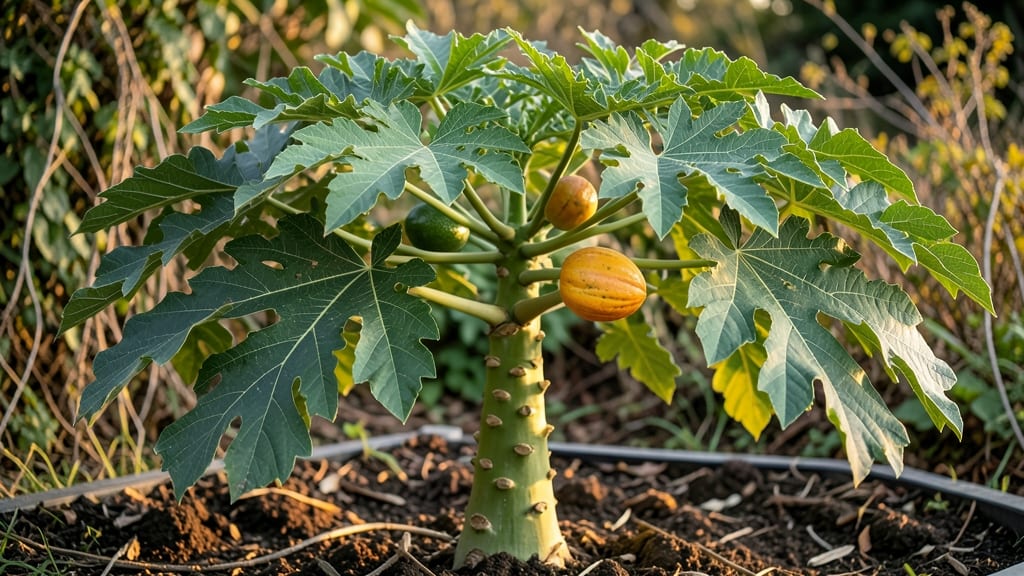
Growing papayas in the right hardiness zones is the key to turning your backyard into a tropical oasis 🍈—but one wrong move, and you’ll end up with a sad, frost-nibbled plant.
Want to grow tropical papayas in your backyard? You’re not alone, but the challenge is real: papayas thrive only in USDA zones 10-12, where frost is a distant memory. Outside those zones, even a light chill can send your plant into shock.
That doesn’t mean you’re out of luck. With the right strategies—like container growing or greenhouse setups—you can still enjoy sweet, ripe papayas, even in cooler climates. I’ll show you exactly how to adapt your growing approach based on your zone.
From picking the best varieties for your area to protecting your plants from unexpected cold snaps, this guide covers everything you need to know to grow papayas successfully, no matter where you live.
USDA hardiness zones for papayas: where can you grow them?
Papayas (Carica papaya) thrive in tropical and subtropical climates, making them sensitive to cold temperatures. Native to USDA Zones 10-12, these vibrant trees need consistent warmth and humidity to flourish.
If you're dreaming of growing papayas in your garden, understanding your USDA hardiness zone is the first step to success—especially if you live outside their natural range.
Papayas cannot tolerate frost and will die if exposed to temperatures below 32°F (0°C). Even light frosts can damage leaves and stunt growth. In USDA Zones 9b and 10a, you might find microclimates where papayas can survive, but they’ll need extra protection during cooler months.
For most gardeners in Zones 1-9a, growing papayas requires container gardening or a greenhouse setup.
To determine your USDA hardiness zone, visit the USDA Plant Hardiness Zone Map and enter your ZIP code. This tool will tell you your exact zone, which ranges from Zone 1 (coldest) to Zone 13 (warmest).
Papayas only thrive in Zones 10-12, so if you're in a cooler zone, you’ll need to simulate tropical conditions to grow them successfully.
Key temperature thresholds for papayas include:
- Minimum viable temperature: 50°F (10°C) (growth slows below this)
- Optimal growing range: 75-90°F (24-32°C)
- Frost sensitivity: Any temperature below 32°F (0°C) is lethal
Even in Zone 10a, papayas may struggle during winter months if temperatures dip below 55°F (13°C). In Zones 11-12, they grow year-round with minimal stress.
If you're in Zone 9b, you might grow papayas outdoors in summer and fall but will need to bring them indoors or into a greenhouse before winter.
How to verify your zone:
- Use the USDA Interactive Zone Map ([usda-plants.gov](https://planthardiness.ars.usda.gov/)) to find your exact zone.
- Check local microclimates—southern slopes, urban areas, or near bodies of water can be 1-2 zones warmer.
- Monitor historical low temperatures in your area to assess frost risk.
If you're in USDA Zone 10a or higher, you can grow papayas outdoors year-round with proper soil preparation and watering. Focus on well-draining, slightly acidic soil (pH 6.0-7.0) and full sun exposure.
In Zone 9b, plant seeds in late spring after the last frost, and harvest fruit before winter or protect the tree with row covers.
For gardeners in Zones 1-9a, container gardening is your best bet. Use large pots (at least 15 gallons) with drainage holes and move them indoors or into a sunroom/greenhouse when temperatures drop below 55°F (13°C).
Papayas are not cold-hardy, so simulating tropical conditions is key to their survival.
One critical mistake many gardeners make is assuming papayas can handle cooler nights. Even in Zone 10a, nighttime temperatures below 60°F (15°C) can stunt growth. To mitigate this, use black plastic mulch
How to grow papayas outside their native zones: greenhouse and container solutions
If you’re dreaming of harvesting sweet, tropical papayas in your USDA Zone 9 or lower, you’re not alone! While papayas thrive naturally in Zones 10-12, with the right strategies—like greenhouse setups or container gardening—you can grow them successfully in cooler climates.
The key lies in mimicking their tropical environment while protecting them from frost and temperature drops.
Papayas are highly sensitive to cold, with temperatures below 32°F (0°C) causing irreversible damage. However, by leveraging microclimates, insulation, and portable growing methods, gardeners in Zone 9b or warmer microclimates (like near heat-retaining walls or in urban heat islands) can extend the growing season.
Let’s explore how to make it work!
Greenhouse Growing
- Pros: Year-round control over temperature and humidity
- Pros: Protects from frost and wind
- Pros: Ideal for large papaya trees (15-30 ft)
- Cons: High initial setup cost and maintenance
- Cons: Requires ventilation and shading in summer
- Cons: Limited space for multiple plants
Container Gardening
- Pros: Portable and easy to move indoors during cold snaps
- Pros: Suitable for dwarf or semi-dwarf varieties
- Pros: Lower water and soil requirements
- Cons: Limited root space for large trees
- Cons: Requires frequent watering (containers dry faster)
- Cons: Needs large containers (20+ gallons) for stability
For greenhouse growing, prioritize a well-insulated structure with double-layered polycarbonate panels to retain heat. Install a heating mat or small space heater (set to 60°F or above) during winter nights.
Use black plastic mulch around the base to absorb sunlight and warm the soil. In summer, shade cloth (30-50%) will prevent overheating, as papayas prefer 75-90°F.
When using containers, choose fabric grow bags or large plastic pots (20+ gallons) to prevent root circling. Place them in a sunny, sheltered spot and use a self-watering system to maintain consistent moisture.
Overwintering requires moving containers indoors to a bright, warm space (65°F+), like a garage with grow lights. Dwarf varieties like 'SunUp' papaya are ideal for containers, reaching only 6-8 feet tall.
Regardless of method, monitor humidity levels—papayas thrive at 60-80% humidity. Use a humidifier or misting system in greenhouses or place containers on pebble trays with water to increase moisture.
Prune lower branches to improve airflow and reduce disease risk, especially in high-humidity environments. With these adjustments, you can enjoy homegrown papayas even in cooler climates! 🌱
Remember, patience is key—papayas take 6-12 months to bear fruit, so plan accordingly. Start seeds indoors 8-10 weeks before your last frost date to give them a head start. Happy growing! 🍈