
Container Gardens
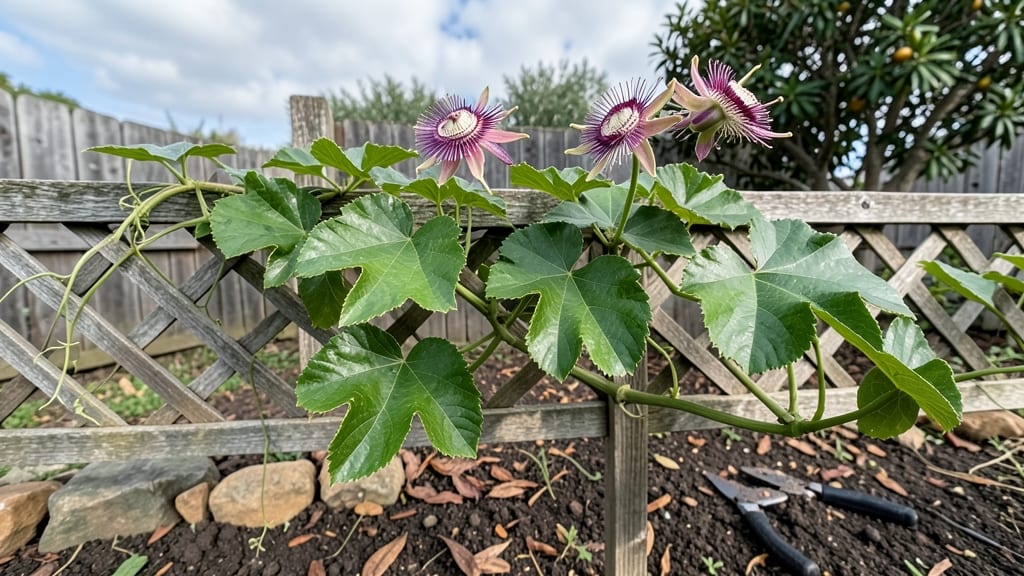
Growing passionfruit thrives in USDA zones 8-11, where warm climates and long growing seasons turn vines into tropical goldmines. 🌿 I learned this the hard way after my first attempt in zone 7—frost killed the plant by spring, but now I know exactly where to plant for year-round harvests.
The key isn’t just the zone, but the microclimate: sheltered spots, afternoon shade in hot regions, and protection from wind all make the difference between a struggling vine and a fruit-laden giant.
The real magic happens in subtropical and tropical zones where temperatures stay above 50°F year-round. In cooler zones like 7-8, you’ll need to grow passionfruit in containers and overwinter them indoors or in greenhouses.
The vines themselves are surprisingly hardy once established—they’ll climb, spread, and produce fruit for 5-10 years if given the right conditions. Soil should be well-draining with plenty of organic matter, and the vines need 6-8 hours of sunlight daily, though they appreciate afternoon shade in the hottest zones.
What you’ll end up with is a vine that bursts into life in spring, covered in fragrant white and purple blooms that eventually give way to those signature tropical fruits.
The first harvest is always a shockingly sweet reward—nothing compares to picking a passionfruit straight from the vine, still warm from the sun. In ideal conditions, you can expect 2-3 harvests per year, with some varieties producing fruit continuously if pruned correctly.
For cooler climates, container growing is your best bet—just move the pot indoors before frost. In warmer zones, mulching and consistent watering keep the vines productive without stress.
The beauty of passionfruit is that it adapts well once you understand its basic needs, making it a rewarding project for gardeners in almost any region willing to put in a little extra care.
📚 In This Guide
- What you need
- Instructions
- Tips and common mistakes
- Wrapping up and next steps
What you need
- ● Passionfruit Vines: 2–3 healthy purple (Passiflora edulis) or yellow (Passiflora flavicarpa) passionfruit plants (bare-root or potted)
- ○ Optional: Seeds (if starting from scratch—germination takes 3–6 weeks!)
- ● Growing Containers: 1–2 large containers (15–20 gallons each) with drainage holes
- ● Or: A trellis system (for climbing vines) with sturdy posts (8+ ft tall)
- ● Soil & Amendments: Well-draining potting mix (avoid heavy clay)
- ● Compost or aged manure (1–2 cups per plant)
- ● Perlite or sand (for aeration)
- ● Fertilizer: Balanced organic fertilizer (10-10-10 or 5-5-5)
- ○ Citrus-specific fertilizer (optional, for extra nutrients)
- ● Support Structures: Trellis netting or bamboo stakes (for vines to climb)
- ● Ties or soft plant clips (to secure vines)
- ● Watering Supplies: Drip irrigation or watering can (with a long spout)
- ● Mulch (straw or pine needles to retain moisture)
- ● Pruning Tools: Sharp pruning shears (sterilized with rubbing alcohol)
- ● Gloves (passionfruit vines have thorns!)
- ● Cold Zones (USDA 9–10): Frost cloth or a greenhouse to protect vines in winter.
- ● Hot/Dry Zones: Shade cloth (30–50%) to prevent leaf scorch.
- ● Humid Zones: Fungicide (neem oil or copper spray) to prevent mildew.
How to choose the best growing Zones for passionfruit vines
Passionfruit thrives in specific climates—here’s how to match your region for maximum fruit production.
🌱 Step 1: Identify Your USDA Hardiness Zone
Passionfruit vines (Passiflora edulis or Passiflora ligularis) grow best in USDA Zones 8-11, where frost never touches the soil. Check your zone using the USDA Plant Hardiness Map—most of Florida, Southern California, and Hawaii fall into these ideal ranges. If you’re in Zone 7 or cooler, treat vines as annuals or overwinter them indoors.
Here’s the key: Zone 8-9 (like Orlando or San Diego) produces the most reliable harvests, while Zone 10-11 (like Miami or Los Angeles) allows year-round growth. If you’re in Zone 7, plant in large containers so you can move vines indoors before winter. The vine’s leaves will yellow and drop at 32°F or below, but the roots can survive brief dips to 28°F if protected.
☀️ Step 2: Prioritize Warmth and Sun Exposure
Passionfruit vines demand full sun—at least 6-8 hours daily—to set fruit. In Zones 8-9, plant in a south- or west-facing location where the vine gets unfiltered sunlight. In Zones 10-11, partial shade during the hottest afternoon hours (1-4 PM) prevents leaf scorch, especially in inland desert areas like Phoenix.
Watch for leggy growth (long, weak stems with sparse leaves)—this signals insufficient light. If vines stretch toward windows or fences, relocate them to a sunnier spot or prune back to encourage bushier growth. In cooler zones, a greenhouse or trellis against a south wall extends the growing season by trapping heat.
💧 Step 3: Adjust Watering by Climate Region
In Zones 10-11, passionfruit vines need consistent moisture—water deeply 2-3 times per week during dry spells, aiming for 1-2 inches of water per week. Let the top 2 inches of soil dry out between waterings to prevent root rot, but never let the vine wilt. Drip irrigation works best, as overhead watering spreads fungal diseases.
In Zones 8-9, reduce watering slightly in winter (once weekly) since cooler temps slow growth. Mulch with 2-3 inches of organic mulch (like wood chips) to retain moisture and regulate soil temperature. You’ll know watering is right when the soil feels damp but not soggy—press your finger in; if it’s dry past 1 inch, it’s time to water.
✂️ Step 4: Train Vines for Optimal Growth by Zone
In Zones 10-11, passionfruit vines grow aggressively—train them on a strong trellis or arbor to save space and improve airflow. Prune back one-third of the vine in early spring to encourage new, fruiting growth. Remove any weak or crossing branches to redirect energy to fruit production. The goal is a balanced, open vine with sunlight reaching all sides.
In Zones 8-9, prune more aggressively in late winter (February-March) to stimulate spring growth. Cut back dead or diseased wood first, then trim remaining stems to 4-6 feet tall. This prevents winter dieback and ensures a strong flush of new leaves by April. Avoid heavy pruning in summer—it stresses the vine when fruit is setting.
🌿 Step 5: Protect Vines in Marginal Zones
If you’re in Zone 7 or cooler, grow passionfruit in large containers (15+ gallons) so you can move them indoors before frost. Use a heat mat in winter to keep roots above 55°F, and place vines near a south-facing window for 12+ hours of light daily. Expect slower growth but possible fruit in Zone 7b with careful protection.
For outdoor overwintering in Zone 7a, mound 6-8 inches of mulch around the base of potted vines and wrap the container in burlap or frost cloth. Bury the pot in the ground for extra insulation. If a hard freeze (below 28°F) is forecast, move the pot to a garage or unheated shed—the vine will drop leaves but regrow when temps warm.
Tips & tricks for thriving passionfruit vines in any climate
Between us, passionfruit vines reward precision—here's how to optimize their growth without common pitfalls.
Zone-Specific Microclimate Secrets: In Zone 10-11, where vines grow aggressively, supplement with afternoon shade cloth during peak summer sun (1-4 PM) to prevent leaf scorch while maintaining those critical 6-8 hours of direct sunlight. I've seen vines in Phoenix burn dramatically when exposed to unfiltered midday heat—even with the vine's natural tolerance for warmth. For Zones 8-9, position your trellis against a south-facing wall to create a natural heat sink that extends the growing season by trapping warmth.
Watering Precision: The 1-2 inches of water per week guideline in Zones 10-11 should be delivered in the morning to prevent fungal issues from evening moisture. I measure this by placing a rain gauge near the vine—if you don't have one, use a tuna can buried near the roots to track accumulation. For Zone 8-9 winter watering, reduce to once weekly but always check soil moisture by pressing your finger 1 inch deep—the soil should feel damp but not saturated. Overwatering in cooler months causes root rot, which I've seen destroy entire vines.
Pruning Strategy: When pruning one-third of the vine in Zones 10-11 during early spring, focus on removing the oldest, least productive growth first. I cut back to healthy lateral branches that show signs of new growth buds—these will produce your most flavorful fruit. In Zones 8-9, your late winter pruning (February-March) should create an open canopy that allows sunlight to reach all branches. After pruning, apply a balanced fertilizer to stimulate the new growth you're encouraging.
Cold Protection Hacks: For Zone 7a overwintering, I've found that wrapping containers in burlap or frost cloth combined with a 6-8 inch mulch mound creates a microclimate that can protect roots down to 28°F. The key is to bury the pot partially in the ground—this adds another 5-10°F of protection. When moving vines indoors, keep them near a south-facing window with supplemental grow lights for 12+ hours daily to maintain photosynthesis during dormancy.
Pro Tips for Passionfruit Growing Zone
- Between us, passionfruit vines reward precision—here's how to optimize their growth without common pitfalls.
- I've seen vines in Phoenix burn dramatically when exposed to unfiltered midday heat—even with the vine's natural tolerance for warmth.
- Watering Precision: The 1-2 inches of water per week guideline in Zones 10-11 should be delivered in the morning to prevent fungal issues from evening moisture.
Frequently asked questions
What are the best passionfruit growing zones?
Passionfruit thrives in USDA Hardiness Zones 8–11, where warm climates and long growing seasons are ideal. Purple passionfruit (e.g., 'Panama Red') prefers Zones 9–11, while yellow varieties (like 'Yellow Giant') can tolerate slightly cooler Zones 8–10. Container growing extends flexibility—just move pots indoors or to a sheltered spot in colder zones!
How long does it take for passionfruit to bear fruit?
Patience is key! Vines may take 1–3 years to produce fruit, depending on variety, care, and climate. Young plants focus on root and vine growth first. Pro tip: Feed with a balanced fertilizer (10-10-10) and ensure full sun (6+ hours daily) to speed up fruiting.
Can passionfruit survive frost or cold snaps?
Nope—not without help! Passionfruit is tender perennials and die back in temps below 30°F (-1°C). In colder zones (Zones 7 or below), grow in containers and move them indoors or to a greenhouse during winter. Mulch heavily in-ground plants for extra protection, but expect minimal fruit that season.
What if my passionfruit vine isn’t fruiting?
Check these common culprits:
- Insufficient sunlight: Needs 6+ hours of direct sun daily.
- Poor pollination: Hand-pollinate with a brush if bees are scarce.
- Over-fertilizing: Too much nitrogen = leafy vines, no fruit. Use a low-nitrogen, high-phosphorus fertilizer instead.
- Young age: Vines under 2 years old may not fruit yet.
Are there passionfruit varieties for cooler climates?
Yes! While traditional passionfruit loves heat, ‘Granadilla’ (Passiflora ligularis) and ‘Banana Passionfruit’ (Passiflora tripartita) tolerate milder climates (down to Zone 7 with protection). These varieties produce smaller, sweeter fruit and grow slower but are more cold-hardy. Perfect for container gardens in transitional zones!
Wrapping up and next steps
Growing passionfruit is a rewarding journey—whether you’re in the tropical paradise of Hawaii 🌺, the mild climates of California 🌴, or even a container garden in Zone 9+ 🏡.
With the right zone, soil, and care, you’ll enjoy lush vines and sweet harvests year-round. Now that you’re armed with the know-how, it’s time to roll up your sleeves and plant!
Start small with a healthy vine or cutting, and soon you’ll be savoring homemade passionfruit jam or sharing fresh fruit with neighbors. Happy growing—and may your harvest be abundant! 🍈✨
- Next step: Pick your passionfruit variety and check local planting tips for your zone!