
Planting
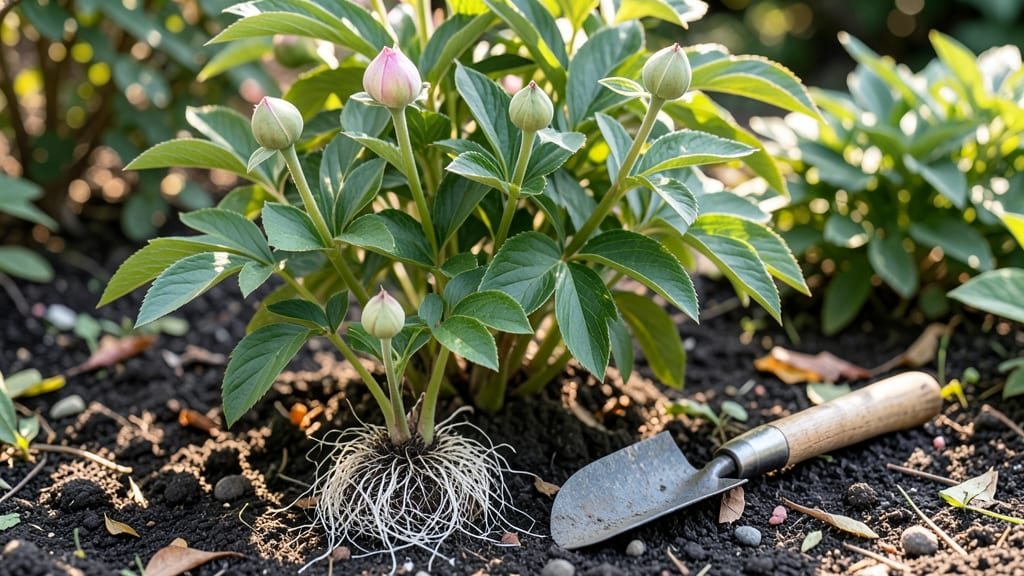
Peonies thrive in USDA planting zones 3 through 8, where they benefit from cold winters that trigger dormancy and warm summers that fuel robust growth and spectacular blooms. Plant them in well-draining soil with full sun exposure for the best results.
Peonies need that winter chill to break dormancy—typically 300-500 hours below 45°F—which explains why zones 3-8 work so well. 🌸 In colder zones (3-5), early spring frosts are less likely to damage emerging shoots, while warmer zones (6-8) provide the heat needed for vigorous foliage and abundant flowers.
I’ve seen peonies in zone 7 produce blooms for decades with minimal care, proving their resilience when planted correctly.
For gardeners in marginal zones (like 9 or 10), consider tree peonies—they tolerate slightly warmer climates better than herbaceous types. Just be prepared for shorter bloom seasons in hotter areas, as excessive heat can stress the plants.
The key is matching your variety to your microclimate, not just the general zone number.
💡 In This Article
- USDA Zones 3-8: Why Peonies Flourish in These Climates
- Selecting the Best Peony Varieties for Your Zone
USDA zones 3-8: why peonies flourish in these climates
Peonies thrive in USDA zones 3-8 because these regions provide the perfect balance of winter chill and summer warmth that their growth cycle demands. The plants require 300-500 hours of temperatures below 45°F annually to break dormancy—a process called vernalization.
In colder zones (3-5), this requirement is naturally met, while zones 6-8 offer enough warmth to fuel robust foliage growth and abundant blooms. Without this cold exposure, peonies may fail to flower or produce weak stems.
The transition from winter dormancy to spring growth is critical. In zones 3-4, peonies benefit from a gradual thaw that prevents sudden temperature swings, which can stress emerging shoots. Meanwhile, zones 7-8 provide the 60-90 days of temperatures above 50°F needed for full bloom development.
Too much heat (like in zone 9+) can cause peonies to bolt—sending up flower buds too early, only to have them damaged by late frosts. This is why zone 8 is often the sweet spot for consistent, long-lasting blooms.
Soil temperature also plays a hidden role. Peony roots prefer soil that stays between 40-70°F during active growth. In colder zones, the ground naturally cools in fall, signaling roots to store energy for spring.
In warmer zones, mulching with 3-4 inches of organic matter (like straw or wood chips) helps regulate soil temperature and retain moisture. This mimics the natural temperature fluctuations peonies evolved with in their native Asia.
What most gardeners overlook is how humidity interacts with these zones. Zones 3-5 often have dry winters, which helps prevent fungal diseases like botrytis (a common peony nemesis). Meanwhile, zones 6-8 may need extra airflow around plants to combat the higher humidity that can promote mildew.
The ideal balance of chill hours, temperature stability, and humidity explains why peonies in zones 3-8 often live for 50+ years—their natural conditions align perfectly with their biological needs. 🌿
For those in zone 9 or warmer, the challenge shifts to managing heat stress. Varieties like 'Sarah Bernhardt' (zone 3-8) may struggle, while 'Kansas' (a tree peony) handles zone 9 better due to its thicker stems.
Even in marginal zones, providing afternoon shade with a 30-50% shade cloth during peak summer can extend a peony's lifespan by reducing heat-induced dormancy.
Here's what happens when conditions stray from this ideal: In zones 1-2, peonies may not get enough chill hours to bloom. In zones 9-10, excessive heat can cause buds to drop before opening.
The magic happens in zones 3-8, where nature's thermostat automatically regulates the perfect cycle of dormancy, growth, and flowering—making these zones the gold standard for peony cultivation. 🌸