
Planting
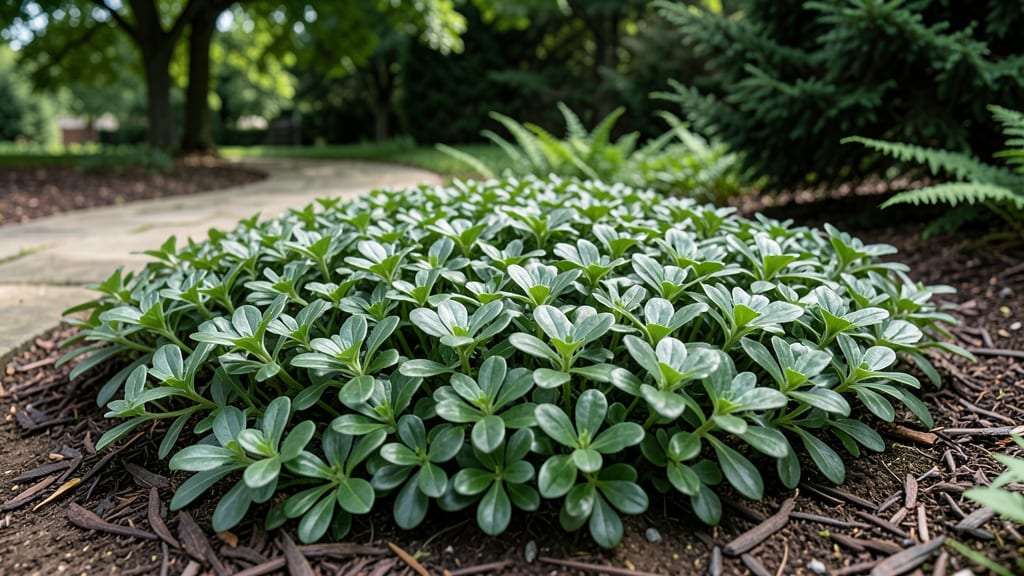
Understanding Plant Hardiness Zone 4B helps you select plants that thrive in areas with winter lows between -25°F and -20°F (-31.7°C and -28.9°C), where hardy evergreens like spruce, flowering shrubs such as lilacs, and cold-tolerant crops like winter wheat excel while tropical plants require protective growing conditions.
This zone covers regions from the northern Midwest to parts of New England and the Appalachians, where frost-free seasons are short but summers can be surprisingly warm. Knowing your exact zone helps avoid costly mistakes—like planting tender perennials that won't survive winter—while maximizing your garden's potential.
I've found that even within Zone 4B, microclimates (like south-facing slopes or urban heat islands) can shift hardiness by up to two zones, so verifying your specific location is key. 🌱
For gardeners in this zone, the secret to success lies in choosing native species and cold-resistant varieties that have evolved to handle these temperatures. For example, while peonies and coneflowers thrive outdoors year-round, citrus trees must stay indoors or in heated greenhouses.
The USDA's interactive zone map makes it easy to pinpoint your exact location, but always double-check with local nurseries—they often know which cultivars perform best in your specific microclimate.
💡 In This Article
- How to Identify Your Exact Plant Hardiness Zone 4B Location
- Top Cold-Resistant Plants Thriving in Zone 4B Gardens
How to identify your exact plant hardiness Zone 4B location
The USDA Plant Hardiness Zone Map uses 1991-2020 climate data to categorize locations based on their average annual minimum temperatures.
Zone 4B specifically covers areas where winter lows typically range from -25°F to -20°F (-31.7°C to -28.9°C), but these numbers can shift depending on elevation and local weather patterns.
For example, a valley might experience warmer nights due to cold air settling, while a hilltop could drop 5-10°F colder than the surrounding area.
To pinpoint your exact location, start by visiting the USDA Interactive Zone Map and entering your street address or ZIP code. The map will display your primary zone, but don’t stop there—microclimates can drastically alter hardiness.
A south-facing wall, for instance, might add 2-3 zones of warmth in winter, while a north-facing slope could push you into a colder classification. Additionally, elevation adjustments are critical: every 1,000 feet (305 meters) in elevation typically drops the zone by 0.5°F (0.3°C).
For the most accurate results, cross-reference the USDA map with local weather records from your nearest NOAA station. Many garden centers also provide on-site hardiness zone data based on decades of observations, which can reveal nuances the national map misses.
For instance, a garden in Michigan’s Upper Peninsula might officially be Zone 4B but thrive with Zone 5 plants in sheltered microclimates, while a New England coastal area could face harsher conditions due to wind exposure.
Technology can help too: smart weather stations and garden apps like Gardenate track real-time temperature fluctuations, helping you account for sudden cold snaps or heatwaves. If you’re still unsure, plant a test crop—like Russian hardy kiwi (Zone 4B tolerant) or winter wheat—and monitor its survival over multiple years.
This hands-on approach often reveals surprises, like how a stone wall or dense hedge can create a frost-free pocket in an otherwise cold zone.
Remember, Zone 4B isn’t a one-size-fits-all label. Even within a single county, you might find Zone 4A, 4B, and 5A side by side. Always verify with multiple sources—your local cooperative extension service is a goldmine for hyper-local insights.
For example, Duluth, MN, sits squarely in Zone 4B, but its harbor microclimate can support slightly tender plants that wouldn’t survive inland.
Pro tip: Use windbreaks and mulch to extend the growing season in Zone 4B. A 3-foot-tall evergreen hedge can reduce wind chill by 10°F, while straw mulch insulates soil, protecting roots during prolonged sub-zero spells.
These small adjustments can mean the difference between a frost-killed tomato plant and a bountiful harvest. 🌿