
Planting
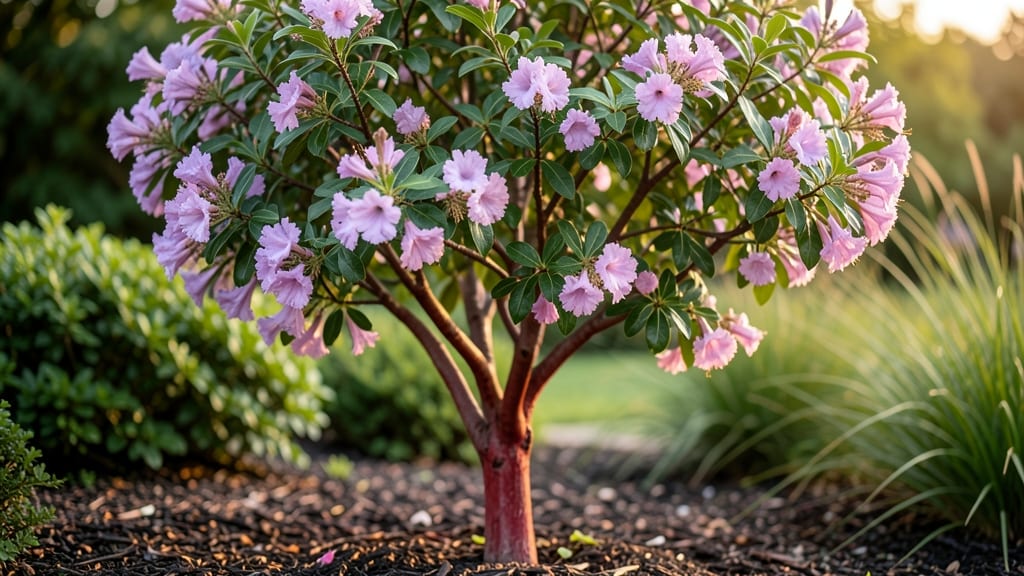
Understanding Plant Hardiness Zone 8B means recognizing its average minimum temperatures of 15°F to 20°F (-9°C to -7°C), which creates ideal conditions for frost-sensitive plants like citrus, bougainvillea, and hibiscus to thrive when paired with strategic microclimate adjustments like windbreaks or mulching.
Zone 8B's temperature range acts as a delicate balance—cold enough to challenge tropical plants but warm enough to support year-round growth for many subtropical species. 🌿 The key lies in understanding that even within this zone, microclimates can create pockets of protection against unexpected frosts, allowing you to push plant limits safely.
For example, a south-facing wall can raise temperatures by 5-10°F compared to open areas, while thick mulch layers insulate roots from temperature swings.
What sets Zone 8B apart is its ability to nurture plants that would otherwise perish in colder zones. The 15°F threshold becomes critical for tropical plants—citrus trees might survive brief dips to 25°F with protection, but palm varieties often need 30°F minimums.
This is where microclimate strategies like windbreaks or frost cloths become game-changers, creating localized conditions that extend the growing season by weeks or even months.
For gardeners in this zone, the real art lies in anticipating frost timing—knowing when to cover plants or adjust watering schedules can mean the difference between a thriving garden and winter losses.
Many Zone 8B growers swear by drip irrigation systems running at night, which can raise soil temperatures by 2-4°F through the heat released when water freezes. The result? A garden that feels more like Zone 9 than 8B. 🌱
💡 In This Article
- How Temperature Ranges Define Zone 8B Plant Survival Limits
- Microclimate Strategies for Thriving Plants in Zone 8B Gardens
How temperature ranges define Zone 8B plant survival limits
The 15°F to 20°F (-9°C to -7°C) threshold in Zone 8B isn't just a number—it's the biological tipping point where plant cells begin to freeze.
At these temperatures, water inside plant tissues starts crystallizing, rupturing cell membranes and disrupting nutrient flow. 🌡️ The difference between 15°F and 20°F can mean survival for some plants and death for others because of how quickly frost penetrates.
For example, citrus trees can handle brief dips to 25°F with protection, but their leaves will scorch at 28°F—a critical distinction that explains why microclimates matter so much.
Timing matters just as much as temperature. A 20°F frost lasting 2 hours is far less damaging than one lingering 6 hours because prolonged cold forces plants into deeper dormancy states they can't recover from.
This is why gardeners track frost warnings closely—sudden temperature drops of 10°F or more in 24 hours create "flash frosts" that catch plants off guard.
The science here involves heat capacity: soil and mulch act as thermal buffers, absorbing heat during the day and releasing it slowly at night, which can raise root zone temperatures by 3-5°F compared to exposed air.
Plant hardiness isn't just about survival—it's about recovery.
Many tropical plants in Zone 8B can endure brief cold snaps but will struggle to regrow if their meristematic tissues (growth points) freeze. 🌱 This explains why palm trees often survive 20°F but may lose their growing tips, while bougainvillea—native to warmer climates—can regenerate from roots even after 18°F exposure.
The key difference lies in their cellular composition: palms store water in thick trunks, creating natural insulation, while bougainvillea's woody stems contain compounds that prevent ice crystal formation.
Here's what most gardeners overlook: radiation frost (when heat escapes directly into the sky) is more damaging than advective frost (cold air masses moving in).
In Zone 8B, radiation frosts are common in low-lying areas where cold air settles, creating temperature inversions where 25°F at ground level coexists with 35°F just 3 feet above.
This is why raised beds and south-facing slopes become critical microclimate tools—they disrupt this cold air pooling, maintaining temperatures 5-10°F warmer than surrounding areas.
Consider this comparison: A mexican feather palm (Zone 10) might survive a 20°F night in Zone 8B if its roots are protected by 12+ inches of mulch, while a lemon tree (Zone 9) could handle the same conditions with just 6 inches of mulch plus a frost cloth.
The difference? Root systems. Palms have extensive fibrous roots that spread heat absorption, while citrus trees have shallower roots that benefit more from surface insulation. 🌿 Understanding these nuances lets you tailor protection strategies to each plant's specific vulnerabilities.
What's actually happening at the cellular level? When temperatures drop below 32°F, water in plant cells begins forming ice crystals that puncture cell walls.
However, some plants produce antifreeze proteins that lower their freezing point by 2-5°F, which is why certain Zone 8B varieties can tolerate colder snaps than their tropical cousins. This biological adaptation is what allows cold-hardy citrus varieties like 'Satsuma' to thrive where standard varieties would perish.