
Planting
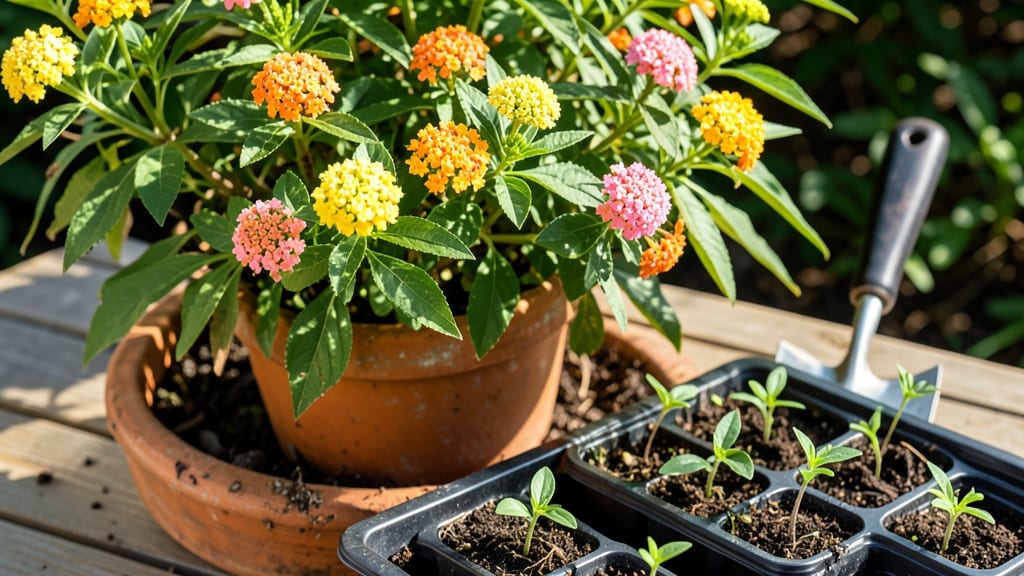
Texas planting zones span USDA Zone 6a in the Panhandle to Zone 10b in South Texas, with frost-free dates and seasonal shifts dictating when to plant cool-season crops in spring and warm-season plants in fall. Always verify your exact zone using the official USDA Plant Hardiness Zone Map.
Texas's massive size creates dramatic gardening differences—think Zone 6a winters with hard freezes in the Panhandle versus Zone 10b frost-free growing year-round in South Texas. 🌵 The transition zones (like Zone 8a in Central Texas) often get overlooked, yet they require careful timing to avoid heat stress or late-season frosts.
For example, while North Texas gardeners plant tomatoes after April 15, South Texas growers can start them in February. The USDA map shows these boundaries, but local weather patterns (like urban heat islands) can shift your effective zone by 1-2 levels.
Pro tip: Use the average first frost date as your guide—most cool-season crops need 6-8 weeks before frost, while warm-season plants thrive when soil temps hit 60°F+. Check your county's agricultural extension service for hyper-local advice, especially if you're near a zone boundary.
💡 In This Article
- How Texas Planting Zones Determine Your Gardening Calendar
- Best Plants for Each Texas USDA Zone (Zone 6a to 10b)
How Texas planting zones determine your gardening calendar
Texas's vast geography creates a dramatic temperature gradient that stretches from Zone 6a in the Panhandle, where winter lows can drop to -10°F, to Zone 10b in South Texas, where frost is rare.
This 14-degree Fahrenheit difference between zones translates directly to planting windows—cool-season crops like broccoli need 6-8 weeks of frost-free growth, while warm-season tomatoes require 80-90 days above 50°F.
The USDA map shows these zones, but what it doesn't reveal is how elevation plays a role: for every 1,000 feet gained in the Hill Country, temperatures drop 3.5°F, effectively shifting you into a colder zone.
The real magic happens at the transition zones, like Zone 8a in Central Texas, where gardeners face a 30-day window between the last spring frost (typically March 15) and the first fall frost (November 15).
This "growing season" is perfect for heat-tolerant crops like okra and sweet potatoes, but risky for frost-sensitive plants like basil or peppers if planted too early.
Microclimates add another layer: a north-facing wall can create a Zone 7b microclimate in an otherwise Zone 8a yard, extending the growing season by 2-3 weeks for cold-hardy greens.
Frost-free dates are the gardener's clock. In Zone 9a (Houston area), the average last frost is February 15, meaning you can plant lettuce in January—but in Zone 7b (Dallas), wait until March 15 to avoid a 28°F freeze.
Soil temperature matters just as much: warm-season crops like peppers won't germinate until soil hits 60°F, which in Zone 10b happens by January 1, while in Zone 6a you're waiting until April 15.
This 3-month difference explains why South Texas gardeners can grow year-round while Panhandle growers focus on short-season varieties.
What most gardeners miss is how urban heat islands shift effective zones. A city like San Antonio (Zone 8b) can feel like Zone 9a in summer, while rural areas maintain their official zone.
This means container gardens on rooftops might support Zone 9 plants when ground-level zones suggest otherwise. The solution? Monitor local weather stations and track 3-year averages—not just the USDA map—to refine your planting schedule.
For example, Zone 7b gardeners should plant sweet corn after April 30, but Zone 9a growers can start theirs in February.
Seasonal shifts also dictate crop rotations. In Zone 6a, gardeners grow cool-season crops like spinach in spring and fall, with a 3-month summer break for heat-sensitive plants.
Meanwhile, Zone 10b gardeners can grow two broccoli crops per year, one in winter and another in fall, thanks to mild winters.
This zone diversity is why Texas gardeners need region-specific seed varieties: a Zone 7b tomato might bolt in Zone 10b's summer heat, while a Zone 10b pepper variety would freeze in Zone 6a.
Pro tip: Use the Texas A&M AgriLife Extension frost maps for hyper-local data. For instance, Zone 8a in Austin shows a 10% chance of frost on March 1, but Zone 7b in Waco has a 50% chance—meaning you might lose half your early plantings.
This precision is why successful Texas gardeners treat their zone like a personalized growing calendar, not a one-size-fits-all rule.