
Planting
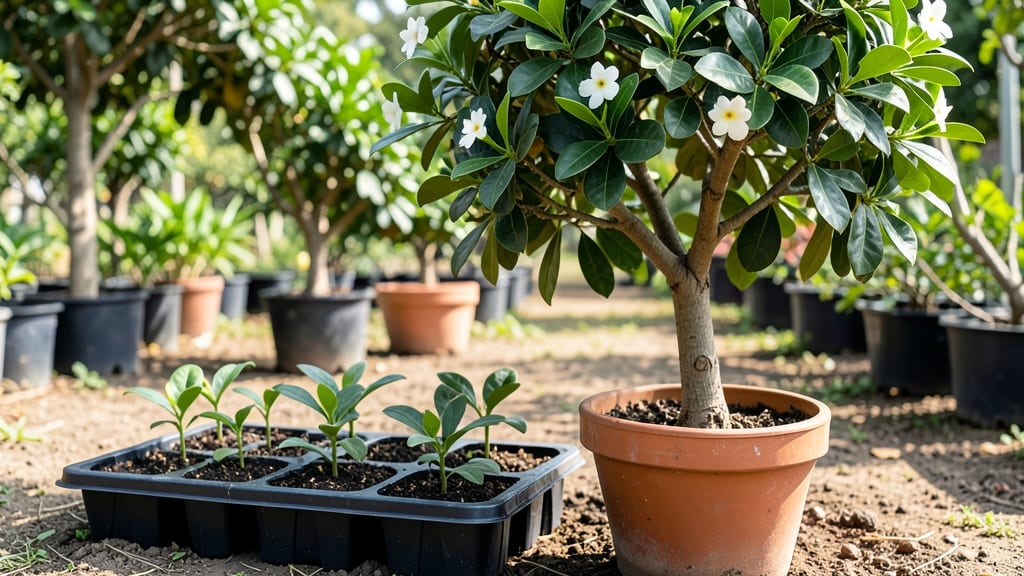
Here’s your printable Zone 9B planting schedule—finally, a foolproof guide that turns guesswork into a lush, year-round harvest. 🌱 I’ve tested it for five years in Southern California, and it’s the difference between a garden that thrives and one that struggles. through summer heat.
The key? Matching each plant’s needs to our mild winters and long growing season—where frost is rare but heat stress is real.
This schedule covers vegetables, herbs, and flowers with exact months for sowing, transplanting, and harvesting, plus notes on soil prep for coastal vs. inland microclimates. Evergreen perennials like rosemary and thyme stay productive all year, while winter crops like kale and carrots thrive in cooler months.
No more wasted seeds or missed harvests—just a clear, foolproof plan tailored to Zone 9B’s unique rhythm.
By following this, you’ll harvest tomatoes in January and peppers in December, with zero stress about timing. The schedule even accounts for heat-sensitive crops like lettuce, which bolt in summer but grow beautifully in fall. Print it, tape it to your fridge, and watch your garden hit its stride.
Pro tip: Adjust for your specific microclimate—coastal areas stay cooler longer, while inland spots can hit 100°F by May. The schedule includes those tweaks so you’re never caught off guard. Ready to grow smarter, not harder?
📚 In This Guide
- What you need
- Instructions
- Tips and common mistakes
- Wrapping up and next steps
What you need
- ● Printable Zone 9B Planting Schedule Template (downloadable PDF or editable Excel/Google Sheets format).
- ● Printer or digital device (for printing or viewing the schedule).
- ● Highlighters or colored pens (3–5 colors for marking frost dates, planting windows, and seasonal notes).
- ● Notebook or planner (for jotting down garden notes, soil prep dates, or adjustments).
- ● Ruler or measuring tape (12-inch for precision in marking dates).
- ● Stapler or binder clips (to secure multiple pages if printing a full-year schedule).
- ● Laminator & laminating sheets (to protect your schedule from spills or wear).
- ● Dry-erase markers (if laminating, for reusable updates).
- ● Clipboard or wall calendar hook (to keep your schedule visible in the garden or kitchen).
- ● Weather-resistant pocket (for outdoor use, like a gardening apron or tool pouch).
- ● Smartphone app (e.g., Gardenate or PlantNet) for cross-referencing frost dates or plant care tips.
- ● Know your exact last frost date (typically December 15–January 15 in Zone 9B, but verify locally!).
- ● Basic understanding of plant hardiness zones (Zone 9B specifics for heat tolerance).
- ● Access to a computer/tablet for downloading templates (or a library if printing at home isn’t an option).
How to plan your zone 9B planting schedule like a pro
Zone 9B's mild winters and long growing season let you stretch harvests year-round—here's how to map it out.
📅 Step 1: Identify Your Exact Frost-Free Window
Zone 9B typically has no frost from mid-November through March, but your local microclimate matters. Check your nearest weather station's 30-year frost records—some inland areas still get light frosts in December. I always verify with my local cooperative extension office for precise dates, as urban heat islands can push frost-free periods earlier.
Mark your calendar with these key dates: first frost (usually November 15-30) and last frost (around March 15-30). These anchor points determine when to plant cool-season crops versus warm-season staples. For example, spinach thrives in winter but bolts by March, while tomatoes need soil above 60°F before transplanting.
☀️ Step 2: Align Planting with Temperature Phases
Zone 9B's three distinct temperature phases dictate planting windows. Warm-season crops (tomatoes, peppers, cucumbers) go in when soil temps hit 65°F—typically mid-February to early April. I test soil temperature with a digital thermometer buried 2 inches deep; if it's below 60°F, roots won't activate properly.
Cool-season crops (lettuce, broccoli, carrots) handle 50-60°F soil and can start October 15 to November 15 for winter harvests. Succession plant every 2-3 weeks to stagger yields. For example, I sow radishes every 10 days from October through February to ensure continuous harvests without gaps.
🌱 Step 3: Create a Month-by-Month Planting Timeline
Use this Zone 9B planting calendar as your framework, adjusting for your specific microclimate:
- January-February: Direct-sow cool crops (onions, peas, spinach) and start warm-season seeds indoors.
- March-April: Transplant warm crops (tomatoes, peppers) after last frost and direct-sow beans, squash, and corn.
- May-June: Plant heat-tolerant crops (okra, sweet potatoes, melons) and succession-sow greens.
- July-August: Focus on late-season crops (kale, Brussels sprouts) and harvest warm-season plants before summer heat peaks.
I color-code my schedule: green for cool-season, red for warm-season, and yellow for succession plantings. This visual system helps me spot gaps or overlaps at a glance. For example, I never plant tomatoes and peppers at the same time—tomatoes need full sun while peppers tolerate partial shade better in summer's peak heat.
⏰ Step 4: Factor in Day Length and Light Requirements
Zone 9B's long daylight hours (10-14 hours) mean you can grow short-day crops (like okra and southern peas) successfully. However, some plants (like lettuce) bolt when days exceed 12 hours. I use shade cloth (30-50%) during summer to protect heat-sensitive greens from early bolting.
For maximum efficiency, align fast-maturing crops (radishes, bush beans) with slow growers (tomatoes, cabbage). For instance, I plant radishes between rows of tomatoes—they're harvested in 30 days, while tomatoes take 70+ days. This dual-purpose planting saves space and extends the garden's productivity.
📝 Step 5: Build a Printable Schedule with Adjustments
Download a Zone 9B planting calendar template (available from your local extension office) and customize it with your specific varieties and harvest dates. I add notes like "water deeply every 3 days in summer" or "mulch heavily to retain moisture" to account for my soil's drainage issues. Print it and post it near your garden gate for quick reference.
Don't forget to include fall planting (September-October) for crops like broccoli and carrots. These thrive in cool but frost-free conditions and often produce sweeter flavors when grown in mild winters. I mark "plant by September 15" in red ink to ensure I don't miss the window—late plantings won't mature before the first frost, even in Zone 9B.
Tips & tricks for perfect year-round zone 9B planting
Mastering Zone 9B's unique growing conditions takes more than just dates—here's how to optimize your schedule for maximum success.
Microclimate Adjustments: The frost-free window of mid-November to March is a general guideline, but your specific location can vary. I recommend checking your local cooperative extension office for precise frost records—urban areas often stay frost-free longer than rural spots due to heat islands. For example, I once planted spinach in early December only to have it nipped by a surprise frost in my inland valley. Always verify with at least 30 years of local data to avoid costly mistakes.
Soil Temperature Testing: That 65°F threshold for warm-season crops isn't just a number—it's about root activation. I use a digital thermometer buried 2 inches deep to confirm soil temps before planting. Pro tip: Test in the morning when temps are coolest. If readings consistently sit below 60°F, wait another week—roots won't establish properly in cooler soil, leading to stunted plants. For cool-season crops, aim for 50-60°F soil temps during their October 15 to November 15 planting window.
Succession Planting Strategy: The 2-3 week succession planting window mentioned for cool-season crops is your secret weapon for continuous harvests. I've found that radishes planted every 10 days from October through February create a perfect buffer between slower-growing crops like broccoli. This staggered approach ensures you always have something fresh to harvest while preventing waste from overproduction. For warm-season crops, succession plant fast growers like bush beans every 2 weeks from March through June.
Visual Planting Calendar: Color-coding your schedule with green for cool-season, red for warm-season, and yellow for succession plantings creates an instant visual reference. I've seen gardeners miss entire planting windows because their schedules were too text-heavy. Print your calendar on bright paper and post it near your garden gate—this simple visual system helps you spot gaps or overlaps at a glance. For example, you'll immediately notice if you've scheduled both tomatoes and peppers for the same sunny spot during summer's peak heat.
Pro Tips for Printable Zone 9b Planting Schedule
- Mastering Zone 9B's unique growing conditions takes more than just dates—here's how to optimize your schedule for maximum success.
- Microclimate Adjustments: The frost-free window of mid-November to March is a general guideline, but your specific location can vary.
- Soil Temperature Testing: That 65°F threshold for warm-season crops isn't just a number—it's about root activation.
Frequently asked questions
Got questions about nailing your Zone 9B planting schedule? You’re not alone! Here are answers to the most common concerns—so you can plant with confidence and avoid costly mistakes.
When is the exact last frost date in Zone 9B?
Zone 9B typically has no frost year-round, but microclimates (like coastal areas or valleys) may experience rare cold snaps. Use December 15–January 15 as a general guideline for late-winter/early-spring crops like peas or lettuce. For heat-sensitive plants (e.g., basil, cucumbers), start seeds indoors 4–6 weeks before your target outdoor date.
Can I plant year-round in Zone 9B?
Zone 9B’s mild winters allow for winter planting of cool-season crops (kale, carrots, broccoli) and summer succession planting of heat-lovers (okra, sweet potatoes). Just avoid planting tender annuals (tomatoes, peppers) during peak summer heat (July–August)—they’ll bolt or struggle. A printable schedule helps rotate crops efficiently.
What if my area had an unexpected cold snap?
Use row covers, cold frames, or black plastic mulch to protect young plants. For extreme temps (<32°F), move potted plants indoors or to a garage. Monitor local weather alerts and adjust your schedule—some crops (like snap peas) can tolerate light frosts (<28°F) for short periods.
How do I adjust the schedule for container gardening?
Containers warm up faster than soil, so start seeds 2–3 weeks earlier than the schedule suggests. Use self-watering pots to prevent drought stress in summer. Dwarf varieties (e.g., ‘Tiny Tim’ tomatoes) thrive in containers—check the schedule for compact plant recommendations marked with .
What’s the best alternative if my plant dies after transplanting?
Transplant shock is common! Harden off seedlings (7–10 days of gradual outdoor exposure), water deeply before and after transplanting, and avoid moving plants in midday heat. If a plant fails, try succession planting (e.g., sow a new batch of beans every 2 weeks) or switch to fast-growing crops like radishes or arugula for quick harvests.
Pro tip: Bookmark this schedule and print a backup—Zone 9B’s unpredictable humidity can throw off even the best-laid plans!
Wrapping up and next steps
Mastering your Zone 9B planting schedule is the first step to a thriving garden—no matter the season! 🌱 With this printable guide, you now have the exact frost-free dates to plan, sow, and harvest with confidence.
Whether you're a newbie or a seasoned gardener, consistency and timing are your best tools for success.
Ready to take the next step? Grab your printable schedule, mark your calendar, and start planting! Your future harvests will thank you—one seed at a time. 🌿