
Landscaping
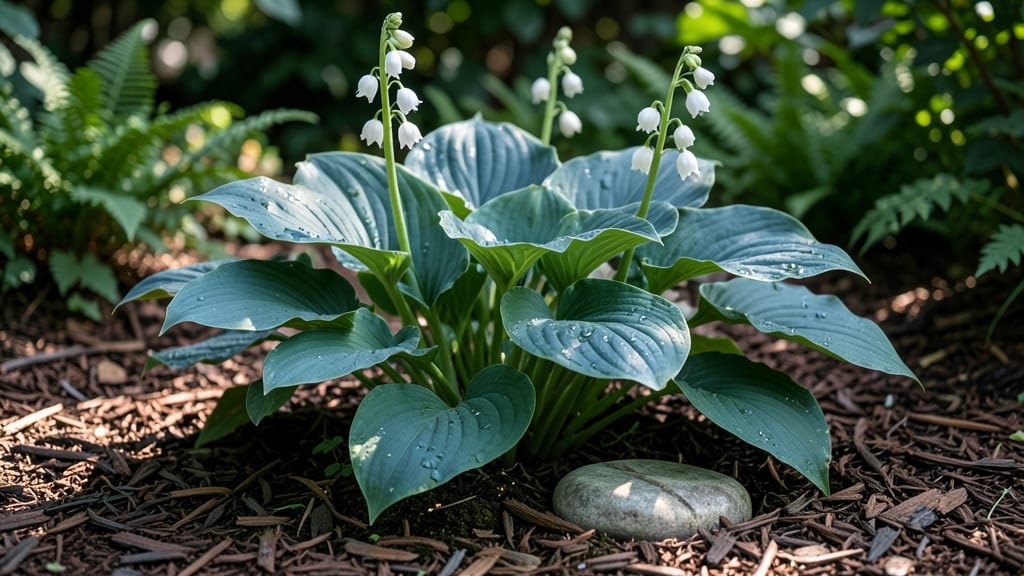
Discover some shade garden ideas for Zone 6 that transform your darkest corners into a lush, vibrant retreat with the right plant choices.
Picture this: a cozy nook under towering trees, bursting with color and texture, where low-maintenance perennials and shrubs do the heavy lifting while you relax. The secret? Choosing shade-tolerant plants that not only survive but thrive in minimal sunlight.
From hostas and heucheras to ferns and astilbes, these Zone 6-friendly options bring year-round interest with minimal fuss. Whether you’re dealing with deep shade or just partial sun, the right layering and plant pairings can turn even the shadiest spot into a stunning garden feature.
Below, I’ll walk you through top plant picks, smart design tricks, and common pitfalls to avoid—so you can craft a shade garden that’s as easy to care for as it is beautiful.
 Best Window Placement
Top 10 low-maintenance shade plants for Zone 6 gardens
Zone 6 gardens often struggle with shady spots where sunlight barely reaches, but that doesn’t mean your garden has to be dull. The right shade-tolerant plants can transform these areas into lush, vibrant spaces with minimal effort.
I’ve selected 10 hardy perennials and annuals that thrive in partial or full shade while requiring little maintenance once established.
These plants offer year-round interest, from delicate ferns to bold foliage and seasonal blooms. Many are drought-tolerant once settled, making them perfect for busy gardeners. Let’s dive into my top picks that will keep your shade garden thriving with color and texture all season long.
🌿 Key Considerations for Zone 6 Shade Gardens:
- Soil moisture: Most prefer well-draining, slightly moist soil
- Mulching: Essential to retain moisture and suppress weeds
- Seasonal interest: Mix evergreens with deciduous plants for winter structure
| Plant | Sunlight Needs | Water Needs | Mature Size | Seasonal Highlights |
|---|---|---|---|---|
| Hosta 'Blue Angel' | Partial shade (2-4 hrs sun) | Moderate (keep soil moist) | 2-3 ft tall, 3-4 ft wide | Summer foliage, occasional blooms |
| Japanese Painted Fern | Full to partial shade | Moderate (drought-tolerant once established) | 2-3 ft tall, 3-4 ft wide | Year-round evergreen foliage |
| Astilbe 'Fanal' | Partial shade (morning sun) | Consistent moisture | 2-3 ft tall, 1-2 ft wide | Summer plumes (pink/white) |
| Heuchera 'Palace Purple' | Partial to full shade | Low (drought-tolerant) | 1-2 ft tall, 2-3 ft wide | Year-round purple foliage |
| Lungwort (Pulmonaria) | Full to partial shade | Moderate (moist soil) | 1-2 ft tall, 1-2 ft wide | Spring blooms, spotted foliage |
| Sweet Woodruff | Full to partial shade | Low (drought-tolerant) | 6-12 in tall, spreads | Spring white flowers, fragrant |
| Coral Bells (Heuchera) | Partial to full shade | Moderate (well-draining) | 1-2 ft tall, 1-2 ft wide | Year-round colorful foliage |
| Bleeding Heart (Dicentra) | Partial shade (3-6 hrs sun) | Consistent moisture | 2-3 ft tall, 1-2 ft wide | Spring heart-shaped blooms |
| Foamflower (Tiarella) | Full to partial shade | Moderate (moist soil) | 1-2 ft tall, 1-2 ft wide | Spring white blooms, evergreen |
| Impatiens (Annual) | Partial to full shade | Consistent moisture | 6-18 in tall, bushy | Summer blooms (red/pink/white) |
My top recommendation for immediate impact is Hosta 'Blue Angel'—its striking blue foliage creates a stunning focal point. For year-round color, pair it with Heuchera 'Palace Purple' and Japanese Painted Fern to create a layered look.
These plants thrive in Zone 6's cooler summers and won’t wilt like sun-loving varieties.
For spring blooms, Bleeding Heart and Lungwort are must-haves. Their delicate flowers add romance to shady corners. Astilbe 'Fanal' brings summer drama with its feathery plumes, while Sweet Woodruff adds a fragrant touch to woodland gardens. Don’t overlook annual Impatiens—they fill gaps quickly with vibrant blooms.
When planting, group similar water needs together to simplify care. For example, place moisture-loving Astilbes near Lungwort, while drought-tolerant Heucheras can go in drier spots. Always mulch heavily (3-4 inches) to protect roots and reduce weeds—this is especially critical in Zone 6's fluctuating temperatures.
To extend the season, add winter interest with evergreens like Japanese Painted Fern or Foamflower. Their textured foliage provides structure when other plants fade. For textural contrast, mix broad-leaved hostas with fine foliage like Sweet Woodruff or Bleeding Heart.
This creates a dynamic, low-maintenance tapestry that evolves with each season.
Pro tip: Divide clumps every 3-4 years for hostas and heucheras to keep them vigorous. This also gives you free plants to share with fellow gardeners! Start with 3-5 plants of each variety to create a full, natural look without overcrowding.
With these 10 shade-loving stars, your Zone 6 garden will stay lush and inviting—no sunlight required! The key is layering heights and textures while matching water needs. Once established, these
Designing a layered shade garden: layout tips for year-round color
A layered shade garden transforms dull corners into vibrant spaces by combining plants of varying heights and textures. The key is creating depth and movement while ensuring every layer contributes to year-round interest.
Start by assessing your shade levels—deep shade under trees or partial shade near fences—each requires different plant selections. My favorite approach combines tall structural plants, mid-height bloomers, and low-growing ground covers to block weeds naturally.
Begin with understory trees like serviceberry (Amelanchier) or dogwood (Cornus florida) to anchor your design. These provide seasonal interest with spring blooms, summer foliage, and fall color. Their dappled shade creates the perfect microclimate for shade-loving perennials below.
Next, add mid-height shrubs such as hydrangeas (Hydrangea macrophylla) or azaleas (Rhododendron) for summer color and texture.
- 🌳 Understory Trees (6-12 ft)
- Serviceberry (Amelanchier) – Spring blooms, edible berries, fall foliage
- Dogwood (Cornus florida) – Showy spring flowers, glossy leaves
- 🌿 Mid-Height Shrubs (3-5 ft)
- Hydrangeas (Hydrangea macrophylla) – Summer blooms, color-changing foliage
- Azaleas (Rhododendron) – Spring flowers, evergreen foliage
- 🌱 Ground Covers (1-2 ft)
- Hostas (Hosta spp.) – Varied foliage, summer blooms
- Ferns (Matteuccia struthiopteris) – Lacy texture, year-round interest
For the ground layer, use hostas or foamflower (Tiarella cordifolia) to suppress weeds and add texture. These plants thrive in Zone 6 shade and provide year-round color with their foliage and occasional blooms.
Mulch generously with wood chips or shredded bark to retain moisture and deter weeds—this is my secret to low-maintenance shade gardens!
Don’t forget to incorporate seasonal accents like heucheras for winter interest or bleeding heart (Dicentra spectabilis) for spring blooms. These fill gaps and extend your garden’s appeal beyond summer. Place taller plants toward the back and shorter ones in front, creating a natural progression that guides the eye.
Finally, add focal points like a small boulder or decorative pot to draw attention to specific areas. In my shade garden, a bronze-colored sculpture reflects light and adds contrast to the green hues. This simple trick makes the space feel intentional and polished, even with minimal sunlight.
With these layering techniques, your shade garden will feel lush and dynamic, proving that low light doesn’t mean low impact. Start small, experiment with textures, and enjoy the process—your garden will thank you with year-round color and minimal effort! 🌿