
Planting
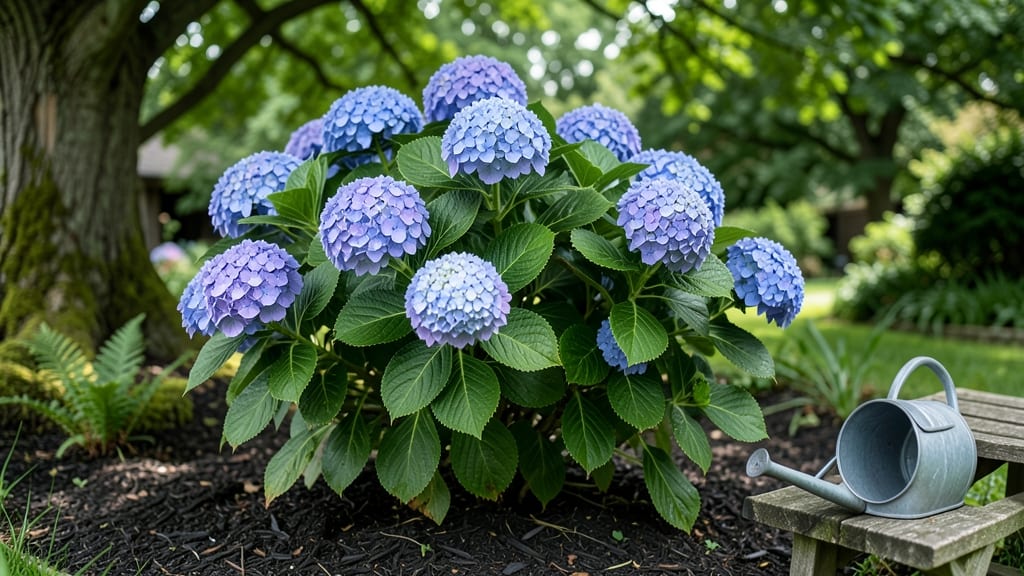
Shade hydrangeas can thrive in Zone 5 with cold-resistant varieties like Oakleaf and Annabelle, which handle temperatures down to -25°F (-32°C). Plant them in early spring or fall, use well-draining soil, and provide partial shade for vibrant blooms. Heavy mulching in winter protects roots from extreme cold.
Zone 5 gardeners often face challenges with frost-sensitive plants, but shade hydrangeas offer a reliable solution. 🌿 The key is selecting varieties bred for cold climates—Oakleaf hydrangeas, for example, not only survive harsh winters but also produce stunning fall foliage.
Annabelle types deliver abundant blooms even after winter's freeze. Proper soil prep with organic matter improves drainage, while mulching with straw or shredded leaves adds an extra layer of insulation during subzero nights.
Timing matters too: planting in early spring lets roots establish before summer heat, while fall planting gives them a head start before dormancy.
I've found that adding a thick layer of mulch (3-4 inches) right after the first frost creates a protective barrier that can make all the difference in survival rates. For those worried about late frosts, a simple row cover can shield tender new growth until temperatures stabilize.
💡 In This Article
- Best Cold-Hardy Shade Hydrangea Varieties for Zone 5
- Zone 5 Hydrangea Planting and Winter Care Guide
Best cold-hardy shade hydrangea varieties for Zone 5
Zone 5 gardeners have excellent options for shade-tolerant hydrangeas that survive winter's worst. The Oakleaf hydrangea (Hydrangea quercifolia) stands out with its lobed leaves resembling oak foliage and striking fall colors ranging from deep red to burgundy.
This variety handles temperatures down to -25°F (-32°C) thanks to its thick, woody stems that act like natural insulation. 🌿 What makes Oakleaf unique is how its large, showy blooms appear in late spring, lasting through summer, while the foliage provides seasonal interest even after blooms fade.
The Annabelle hydrangea (Hydrangea arborescens 'Annabelle') offers a different advantage: its massive, snowball-like blooms that emerge in early summer and persist for weeks. This variety thrives in Zone 5 with its cold tolerance matching Oakleaf's, but its growth habit is more compact (typically 3-5 feet tall).
The secret to its hardiness lies in its deep root system that stores carbohydrates during winter, fueling rapid spring growth.
For gardeners with limited space, the Little Lime hydrangea (Hydrangea paniculata 'Little Lime') provides a compact option with lime-green blooms that transition to soft pink, all while tolerating -20°F (-29°C).
Each variety responds differently to Zone 5's seasonal extremes. Oakleaf's thick stems prevent frost damage to the main structure, while Annabelle's early blooming strategy takes advantage of spring's warming temperatures.
The key difference lies in their foliage: Oakleaf's leaves turn fiery colors in fall, while Annabelle maintains green foliage until frost.
For maximum winter survival, all three varieties benefit from planting in well-draining soil with a pH between 5.5-6.5, which helps prevent root rot during spring thaws when soils can become waterlogged.
Consider these specific characteristics when selecting: Oakleaf's 4-6 inch blooms provide vertical interest, Annabelle's 6-8 inch globular flowers create dramatic focal points, while Little Lime's 3-5 inch cone-shaped blooms offer versatility in container gardening.
The foliage texture also varies—Oakleaf's leaves are leathery and aromatic when crushed, while Annabelle's are smoother and more delicate. 🌸 These differences mean you can mix varieties for year-round garden interest, with Oakleaf providing fall color, Annabelle offering summer blooms, and Little Lime extending the season with its late-season flowers.
For gardeners in Zone 5's colder microclimates (like northern Illinois or upstate New York), consider adding a 3-4 inch layer of mulch around the base after the first frost.
This creates an insulating barrier that maintains soil temperatures 5-10°F warmer than ambient air, which is crucial during temperature swings between day and night. The mulch also prevents soil heaving—a common problem in freeze-thaw cycles that can damage shallow roots.
What most gardeners don't realize is how hydrangea varieties interact with their environment. Oakleaf's native range in the southeastern U.S. prepared it for hot summers and cold winters, while Annabelle's origins in the Midwest gave it natural cold resistance.
This ecological adaptation means they've evolved to handle Zone 5's 100-120 frost-free days by entering dormancy early in fall and emerging late in spring, avoiding both summer heat stress and winter desiccation.