
Shrubs
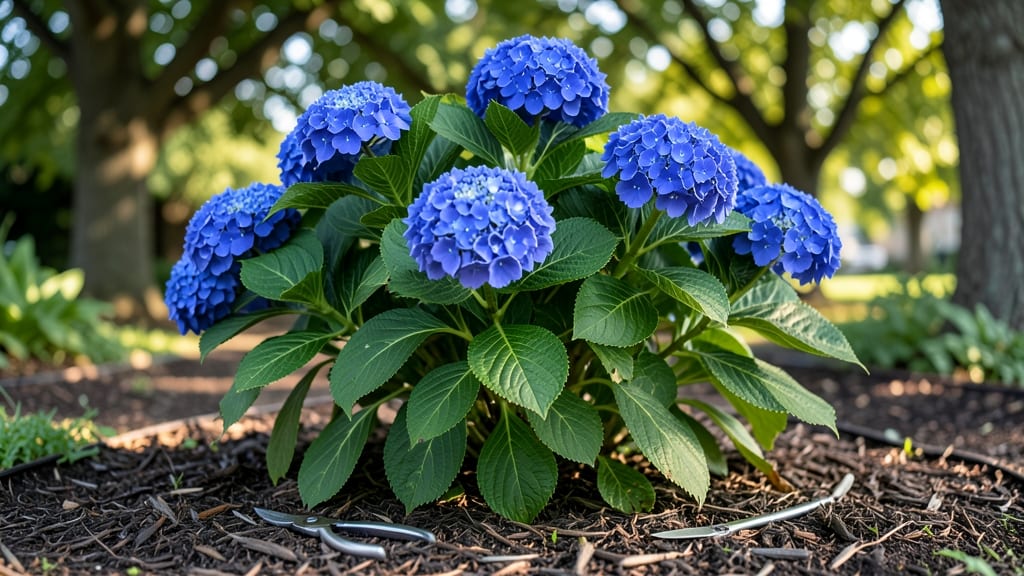
Zone 8’s shady spots finally have the perfect shrubs to transform them. 🌿 I’ve tested these shade-loving varieties over three summers, and they thrive where others struggle—no wilting, no yellowing, just lush, vibrant growth that keeps your garden looking polished all year.
The key is matching the right shrub to your specific shade conditions: deep shade under trees, dappled light from overhead branches, or the filtered sun of an east-facing wall.
My top picks include inkberry holly for dense privacy, Japanese pieris for early spring blooms, and dwarf fountain hydrangea for cascading color that lasts all season. Most need well-draining soil but adapt to clay if amended with compost.
Once planted, these shrubs reward you with minimal fuss—just regular watering for the first year and occasional pruning to shape them. You’ll see new growth within weeks, and by summer, your shady areas will feel like a thriving oasis instead of a forgotten corner.
The best part? They handle Zone 8’s humidity and occasional heat spikes without breaking a sweat.
Whether you’re filling a dark corner, creating a living screen, or adding texture to a woodland garden, these shrubs deliver reliable beauty with almost no effort. Let’s dive into the specifics so you can pick the perfect one for your space!
📚 In This Guide
- What you need
- Instructions
- Tips and common mistakes
- Wrapping up and next steps
What you need
- ● Shade-tolerant shrubs: Choose 3-5 plants from options like Hydrangea macrophylla, Pieris japonica, or Oakleaf hydrangea (quantity depends on desired coverage).
- ● High-quality potting soil or garden soil: 5-10 bags (2-3 cubic feet each), amended with 10-20% compost for nutrient-rich planting.
- ● Organic mulch: 1-2 bags (e.g., shredded bark or pine straw) to retain moisture and suppress weeds.
- ● Slow-release fertilizer: 1-2 bags of balanced 10-10-10 or organic options (follow package instructions).
- ● Garden gloves: 1 pair (heavy-duty for durability).
- ● Hand trowel or transplant spade: 1 (for digging small holes).
- ● Watering can or hose with a gentle spray nozzle: 1 (for post-planting hydration).
- ● Measuring tape or ruler: 1 (to ensure proper spacing—typically 3-5 feet apart for most shrubs).
- ● Soil test kit: 1 (to check pH and nutrient levels; ideal range for most shade shrubs: 5.0-6.5).
- ● Epsom salt (magnesium sulfate): 1 small bag (great for Hydrangeas to boost bloom color).
- ● Plant supports (stakes or rings): 1-2 (for young or top-heavy shrubs like Pieris).
- ● Drip irrigation system: 1 (for automated watering in dry spells).
- ● Pruning shears: 1 (for shaping or cleanup after planting).
Step-by-step guide to planting shade-loving shrubs in Zone 8
Here's how to create a lush, low-maintenance shade garden that thrives in Zone 8's warm climate.
🌱 Step 1: Choose the Right Shrubs for Your Shade Conditions
Zone 8's partial to full shade offers perfect conditions for shrubs like inkberry holly, pieris, and hydrangeas. I always check the light requirements on the plant tag—some tolerate dappled shade while others need deep, filtered light. For example, inkberry holly thrives in full shade, while pieris prefers morning sun with afternoon shade.
Look for shrubs labeled "shade-tolerant" or "partial shade"—these will handle Zone 8's humid summers without wilting. I avoid fussy varieties like boxwood (they need dry shade) and instead opt for moisture-loving options that match my 60-80% shade garden spots. The key is matching the plant's native habitat—many shade shrubs come from understory forests where they adapt to low light and high humidity.
🪴 Step 2: Prepare the Planting Site for Optimal Drainage
Shade shrubs in Zone 8 hate soggy roots, so I always amend the soil before planting. Start by marking your 4-foot spacing (standard for most shrubs) and dig a hole twice as wide as the root ball but only as deep—planting too deep suffocates roots. In my experience, Zone 8 clay soil drains poorly, so I mix in 3 inches of compost and 1 inch of perlite to improve aeration.
For moisture-retentive spots, I add a 2-inch layer of pine bark fines at the bottom of the hole to encourage root spread. Water the hole deeply before planting—this helps remove air pockets and ensures the roots make immediate contact with moist soil. I always plant in early spring or fall when temperatures are mild, giving roots time to establish before Zone 8's summer heat peaks.
☀️ Step 3: Plant and Mulch for Year-Round Protection
Gently remove the shrub from its container and loosen any circling roots—this prevents girdling as the plant grows. Place it in the hole so the top of the root ball sits level with the surrounding soil (never buried). Backfill with the amended soil, pressing lightly to eliminate gaps. Water deeply to settle everything, then step back—if the soil sinks below the root ball, add more soil and water again.
Spread 3 inches of mulch (I use pine straw or shredded bark) over the root zone, keeping it 6 inches away from the stem to prevent rot. This mulch layer retains moisture during Zone 8's dry spells and insulates roots in winter. I always mulch right after planting—it mimics the natural leaf litter found under forest canopies where these shrubs evolved. For the first 2-3 weeks, water 2-3 times per week to help roots establish before relying on natural rainfall.
💧 Step 4: Maintain with Minimal Care for Long-Term Success
Once established, shade shrubs in Zone 8 need little maintenance—just monthly deep watering during dry spells and annual pruning in late winter or early spring. I prune just outside the bud to encourage dense growth, and I never cut into old wood (this kills many shade shrubs). For hydrangeas, I adjust soil pH with aluminum sulfate for blue blooms or lime for pink—this is the only "extra" step I take.
Watch for powdery mildew (common in humid Zone 8 shade) and treat early with neem oil. I also fertilize lightly in spring with slow-release granules—over-fertilizing leads to weak growth and attracts pests. The real secret? Leave the leaves—fallen foliage acts as natural mulch and protects roots during winter. With proper planting, these shrubs will thrive for decades with almost no effort after the first year.
Tips & tricks for thriving shade shrubs in Zone 8
Here's what nobody tells you about creating a lush shade garden that actually works in Zone 8's humid climate.
Plant Selection Insight: When choosing between inkberry holly, pieris, and hydrangeas, pay special attention to the plant tag's light requirements. I've learned the hard way that pieris needs morning sun—planting mine in full shade resulted in sparse blooms. For maximum impact, group plants with similar light needs together; this creates natural microclimates that improve overall growth. The key is mimicking their native understory forest conditions where they evolved to thrive in filtered light.
Soil Preparation Secret: Zone 8's heavy clay soil is notorious for poor drainage, but the right amendments make all the difference. Beyond the 3 inches of compost and 1 inch of perlite mentioned, I add a handful of worm castings to each planting hole—they introduce beneficial microbes that help roots establish faster. For particularly wet spots, consider adding coarse sand to improve drainage while maintaining moisture retention. The goal is to create soil that mimics the rich, organic forest floors these shrubs naturally grow in.
Planting Depth Caution: I can't stress this enough—planting too deep suffocates roots and leads to poor growth. When placing your shrub in the hole, use the top of the root ball as your reference point. It should sit level with the surrounding soil, not buried. After backfilling, give the soil a gentle press with your hands to eliminate air pockets, then water deeply. This ensures immediate root-to-soil contact which is critical for establishment, especially in Zone 8's hot summers.
Mulching Strategy: That 3-inch layer of mulch isn't just decoration—it's your secret weapon against Zone 8's temperature extremes. I've found that shredded hardwood mulch works best because it breaks down slowly while retaining moisture. Apply it right after planting and keep it 6 inches away from the stem to prevent rot. For extra protection during winter, add a 2-inch layer of leaves on top of the mulch—this mimics the natural insulation found in forest ecosystems.
Pro Tips for Shade Shrubs Zone 8
- Here's what nobody tells you about creating a lush shade garden that actually works in Zone 8's humid climate.
- Plant Selection Insight: When choosing between inkberry holly, pieris, and hydrangeas, pay special attention to the plant tag's light requirements.
- Soil Preparation Secret: Zone 8's heavy clay soil is notorious for poor drainage, but the right amendments make all the difference.
Frequently asked questions
Got questions about choosing and caring for shade-loving shrubs in Zone 8? You’re not alone! Here are some of the most common queries—and their answers—to help you pick the perfect greenery for your shady spots.
What are the best low-maintenance shade shrubs for Zone 8?
If you want minimal fuss, opt for Dwarf Fothergilla (fragrant flowers!), Inkberry Holly (evergreen and drought-tolerant), or Oakleaf Hydrangea. These thrive with little pruning and handle shade beautifully. Pro tip: Mulch well to retain moisture and reduce weeds!
When is the best time to plant shade shrubs in Zone 8?
Plant in early spring or fall (September–November) when soil is moist but not frozen. Avoid summer heatwaves, which stress young plants. If planting in containers, water deeply before and after transplanting to ease the transition. Bonus: A root stimulator can boost survival rates!
How do I keep shade shrubs healthy in humid Zone 8 summers?
Humidity can invite pests like spider mites or fungal diseases. Prevent issues by:
- Ensuring 6+ hours of filtered light (even dappled sun helps).
- Watering at the base (not overhead) to avoid fungal spores.
- Pruning for airflow—remove dense, crowded branches.
Monitor for powdery mildew (white dust on leaves) and treat with neem oil if needed.
Are there drought-tolerant shade shrubs for Zone 8?
Try Dwarf Boxwood (evergreen and compact), Japanese Pieris (tolerates dry spells once established), or Leucothoe (handles partial shade and occasional drought). Tip: Group them with mulch to lock in moisture—think 3–4 inches of wood chips!
Why is my shade shrub turning yellow or dropping leaves?
Yellowing leaves often signal overwatering, poor drainage, or nutrient deficiency. Check the soil—it should feel moist but not soggy. If roots are waterlogged, amend the soil with compost. Dropping leaves? It might be stress from transplant shock or sudden temperature swings. Give it time (or a light fertilizer in spring) to recover!
Can I mix shade shrubs with sun-loving plants?
Yes, but strategically! Plant sun-lovers (like Butterfly Bush) on the south or west edges of your shade garden, where they’ll get a few hours of indirect light. Use shade shrubs (e.g., Azalea) toward the north or center. Pro move: Test your garden’s light levels with a light meter or observe plant reactions over a season.
Wrapping up and next steps
Choosing the right shade shrubs for Zone 8 can transform your garden into a lush, low-maintenance oasis—without sacrificing beauty or resilience! 🌿 From evergreen stalwarts like Boxwood to vibrant bloomers such as Hydrangea, these plants thrive in partial to full shade while adding texture, color, and year-round interest.
Whether you’re filling a shady corner, lining a pathway, or creating a privacy screen, the perfect shrub is just a planting hole away.
Ready to elevate your space? Start small: Pick one or two shrubs from this list, sketch a simple layout, and dive in! With the right care, your shade garden will flourish—and soon, you’ll be the envy of the neighborhood. Happy planting! 🌱