
Planting
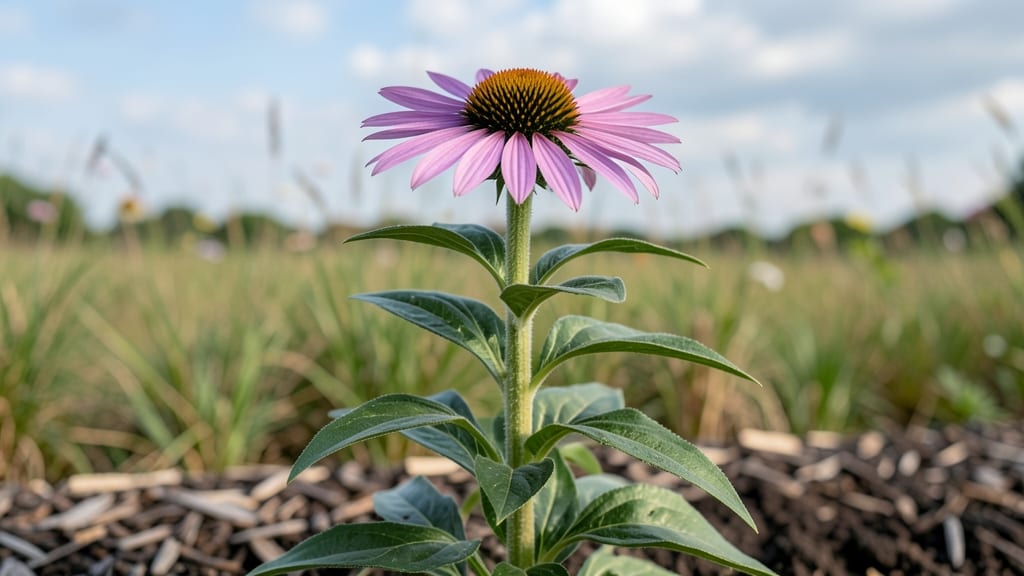
Zone 5 gardeners know the secret to vibrant summers lies in the right summer flowering perennials—those tough, cheerful plants that thrive through heat, humidity, and even drought while still bursting with color. 🌸 I’ve tested dozens of varieties, and the ones that survive our hot July afternoons and still burst with color?
They’re the stars of my garden. The secret isn’t fancy soil or constant care—it’s choosing plants that thrive naturally in our climate. Think coneflowers, black-eyed Susans, and Russian sage: they bloom from June through September, attract pollinators, and bounce back after frost. No deadheading? No problem.
These perennials keep looking fresh with minimal effort. By late fall, you’ll have a garden that stays vibrant long after store-bought annuals fade. The best part? They multiply year after year, cutting your spring planting work in half.
Let’s pick the right ones for your space—sunny borders, shady edges, or even containers. For Zone 5 gardeners, the key is timing: plant in early spring or fall, water deeply the first season, and watch them establish roots.
Skip the guesswork—here’s exactly what works in my yard (and yours).
📚 In This Guide
- What you need
- Instructions
- Tips and common mistakes
- Wrapping up and next steps
What you need
- ● Summer-flowering perennials (Zone 5 hardy): 1–3 plants per variety (e.g., Coneflower (Echinacea purpurea), Black-eyed Susan (Rudbeckia fulgida), Daylily (Hemerocallis), or Bee Balm (Monarda)). Quantity depends on garden size—aim for 3–5 plants per square foot for a lush look.
- ● Well-draining potting mix: 1–2 bags (50 lb each) for planting or amending soil.
- ● Compost or organic fertilizer: 1–2 bags (e.g., 5–10–5 or balanced 10–10–10) to enrich soil.
- ● Garden trowel or transplant spade: 1 (for digging holes 2x wider than root balls).
- ● Watering can or hose with nozzle: 1 (for gentle, deep watering after planting).
- ● Mulch (shredded bark or straw): 1–2 bags (to retain moisture and suppress weeds).
- ● Slow-release fertilizer spikes: 1–2 per plant (for sustained blooms).
- ● Plant supports (stakes or rings): 1–2 per tall variety (e.g., Phlox or Delphinium).
- ● Pruning shears: 1 (for deadheading spent blooms to encourage reblooming).
- ● Garden gloves: 1 pair (to protect hands from thorns or rough foliage).
- ● Soil pH test kit: 1 (to check if amendments like lime or sulfur are needed).
Step-by-Step guide to planting and maintaining summer flowering perennials in Zone 5
Here's how to select, plant, and care for perennials that will return bold color to your garden every summer.
🌱 Step 1: Choose the Right Perennials for Zone 5
Start with proven performers like coneflower (Echinacea), black-eyed Susan (Rudbeckia), and daylily (Hemerocallis)—these thrive in Zone 5's hot summers and cold winters. Look for varieties labeled as hardy to Zone 4 or 3, as they'll handle your area's lowest temperatures. I always check the mature plant height and spread to ensure they fit my design plan before buying.
For full-sun spots, choose shasta daisy (Leucanthemum) or bee balm (Monarda)—both produce abundant blooms and attract pollinators. For partial shade, hosta (Hosta) or coral bells (Heuchera) offer striking foliage alongside seasonal flowers. Avoid tender perennials like salvia or lavender, which struggle with Zone 5 winters.
🌿 Step 2: Prepare the Planting Site
Test your soil's pH—most summer perennials prefer 6.0 to 7.0. Amend heavy clay or sandy soil with 2-3 inches of compost mixed into the top 6-8 inches of soil. I like to work in a 5-10-10 fertilizer at planting time to give roots a nutrient boost for the first year. Choose a location with at least 6 hours of direct sun for most flowering perennials.
Loosen the soil to a depth of 12 inches with a garden fork or tiller. Remove all weeds and grass, as competition will stress young plants. For container planting, use a well-draining potting mix with added perlite. Water the prepared area thoroughly 24 hours before planting to settle the soil.
☀️ Step 3: Plant at the Correct Depth and Spacing
Dig holes twice as wide as the root ball but only as deep as the container's root level. Place the plant in the hole, ensuring the top of the root ball sits just below soil level—burying too deep can suffocate stems. Gently backfill with native soil, firming lightly around the edges to eliminate air pockets.
Space plants according to their mature spread: 18-24 inches apart for medium-sized perennials like coneflower, and 3-6 inches apart for smaller varieties like creeping thyme. Water immediately after planting to help soil settle around roots. Mulch with 2-3 inches of shredded bark to retain moisture and suppress weeds—just keep mulch 2 inches away from plant stems to prevent rot.
💧 Step 4: Water and Fertilize for Establishment
Water newly planted perennials deeply 2-3 times per week for the first month, then taper to once a week once established. You'll know they're getting enough water when the soil feels damp 2-3 inches below the surface. Avoid overhead watering, which can spread fungal diseases—water at the base instead.
Apply a balanced fertilizer (10-10-10) at planting, then again in early spring and mid-summer. I use slow-release granules to avoid overfeeding. Deadhead spent blooms regularly to encourage more flowers and prevent self-seeding. Most perennials benefit from a light trim after the first flush of blooms to promote bushier growth.
✂️ Step 5: Maintain Through Summer and Prepare for Winter
Monitor for pests like aphids or Japanese beetles—a strong spray of water usually removes them. Divide clumping perennials like daylilies or hostas every 3-4 years in early spring to maintain vigor. You'll know it's time when the center of the plant looks bare or flowering declines.
In late fall, cut back dead or diseased foliage but leave 3-4 inches of healthy stems on hardy perennials to protect the crown over winter. Apply a 2-3 inch layer of mulch after the ground freezes to insulate roots. Most Zone 5 perennials are tough enough to handle winter, but this extra care ensures they bounce back stronger in spring.
Tips & tricks for perfect summer flowering perennials in Zone 5
Here's what I've learned after years of growing these bold beauties—tricks that make all the difference for long-lasting color.
Selection Strategy: When choosing perennials, prioritize those labeled "hardy to Zone 4 or 3" for your Zone 5 garden. I've found that coneflower varieties like 'Magnus' and daylily 'Stella de Oro' consistently outperform others in my climate. For full-sun areas, bee balm's vibrant foliage provides color even when not in bloom, making it a standout performer. Always verify mature plant dimensions against your space—nothing worse than crowding plants that need 24 inches of spread in a 12-inch circle.
Soil Prep Secret: The 2-3 inches of compost mixed into the top 6-8 inches of soil isn't just about nutrients—it's about creating the perfect environment. I like to add a handful of worm castings to this mix for extra microbial activity. For heavy clay soils, incorporate perlite to improve drainage, while sandy soils benefit from peat moss to retain moisture. The key is working this amendment into the soil 24 hours before planting, as instructed, to allow it to settle properly.
Planting Precision: In Step 3, when digging holes twice as wide as the root ball, I recommend using a garden trowel to create clean vertical sides. This prevents soil from collapsing around delicate roots during planting. For container-grown plants, gently loosen the root ball before placing it in the hole to encourage outward root growth. The 18-24 inch spacing for medium perennials might seem generous, but it prevents overcrowding that leads to disease and poor flowering in subsequent years.
Watering Wisdom: The 2-3 times weekly watering schedule for the first month is crucial, but timing matters too. Water in the early morning to allow foliage to dry before evening, reducing fungal risks. I've found that using a soaker hose for deep watering at the base of plants creates stronger root systems than overhead sprinklers. After the initial establishment period, let the soil dry slightly between waterings—this encourages deeper root growth that makes plants more drought-tolerant.
Pro Tips for Summer Flowering Perennials Zone 5
- Here's what I've learned after years of growing these bold beauties—tricks that make all the difference for long-lasting color.
- Selection Strategy: When choosing perennials, prioritize those labeled "hardy to Zone 4 or 3" for your Zone 5 garden.
- Soil Prep Secret: The 2-3 inches of compost mixed into the top 6-8 inches of soil isn't just about nutrients—it's about creating the perfect environment.
Frequently asked questions
Got questions about summer flowering perennials in Zone 5?
You’re not alone! Here are answers to the most common concerns—from planting tips to troubleshooting—so you can enjoy vibrant blooms all season long.
What are the easiest summer perennials to grow in Zone 5?
Start with hardy, low-maintenance picks like Coneflower (Echinacea), Black-Eyed Susan (Rudbeckia), or Daylily (Hemerocallis). These thrive in Zone 5’s heat and humidity with minimal fuss—just full sun and well-draining soil. Pro tip: Group them with Russian Sage (Perovskia) for drought resistance!
When is the best time to plant summer perennials in Zone 5?
Plant in early spring (April–May) or early fall (September) for the best root establishment. Avoid late summer heat stress—wait until soil temps drop below 75°F (24°C). Bonus: Container-grown plants can handle late-spring transplants if kept watered!
How do I keep summer perennials blooming all season?
Deadhead spent blooms regularly to encourage reblooming, and fertilize lightly with balanced 10-10-10 in early summer. Mulch with 3 inches of organic matter (like shredded bark) to retain moisture. Watch out: Over-fertilizing can lead to leafy growth over flowers!
What pests or diseases should I watch for in Zone 5 perennials?
Common culprits include Japanese beetles (chew foliage), aphids (distort new growth), and powdery mildew (white fungal spots). Prevent pests: Spray with neem oil or introduce ladybugs. Improve airflow to reduce mildew—space plants 18–24 inches apart.
Can I replace annuals with perennials for long-term savings?
Swap out petunias or marigolds with perennials like Bee Balm (Monarda) or Shasta Daisy (Leucanthemum). They’ll return year after year, cutting costs and reducing replanting work. Tip: Divide clumps every 3–4 years to keep them vigorous!
Wrapping up and next steps
Transforming your Zone 5 garden into a vibrant summer paradise is easier than you think! With the right summer flowering perennials, you’ll enjoy low-maintenance, long-lasting blooms that bring joy year after year.
Whether you’re a seasoned gardener or just starting, these hardy plants are your ticket to effortless beauty—so grab your gloves and get planting! 🌸
Next steps:
- Pick your favorites from our list and sketch a garden layout.
- Check local nurseries for healthy starts or seeds.
- Start small—even one bold perennial makes a statement!