
Container Gardens
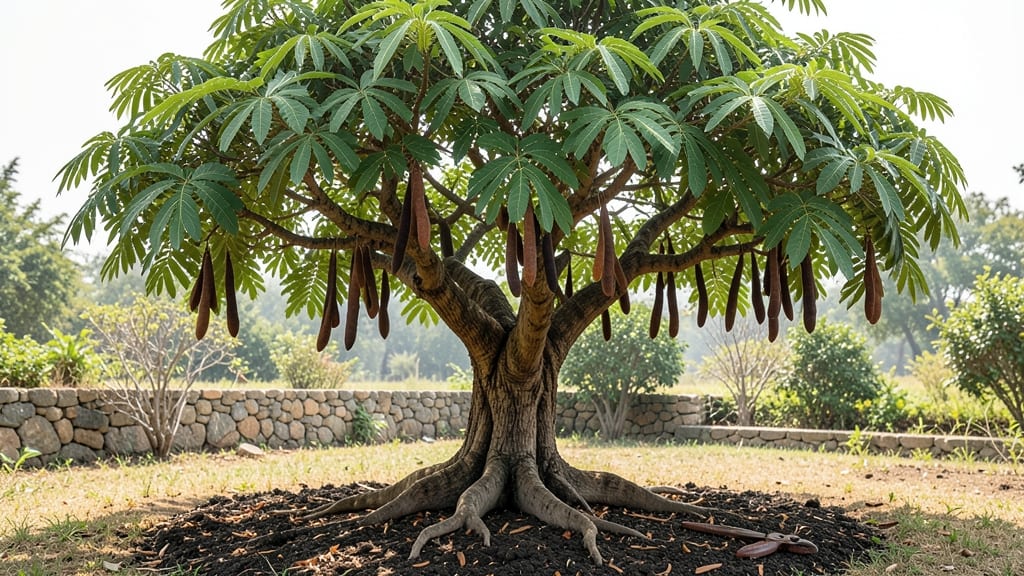
The tamarind growing zone spans USDA zones 9 through 11, where warm climates with year-round temperatures above 60°F (15°C) and well-drained soil create ideal conditions. This tropical tree cannot survive frost and requires full sun exposure for best fruit production.
Tamarind trees demand consistent warmth—even a brief dip below 50°F (10°C) can damage leaves and stunt growth. 🌞 In marginal zones like southern Florida or coastal California, gardeners often grow tamarind in large containers to move indoors during winter.
The key isn't just heat, but humidity too—dry climates force more frequent watering and can reduce fruit sweetness. I've seen container-grown tamarinds thrive in zone 8 with winter protection, proving adaptability depends more on microclimates than strict zone numbers.
For optimal results, aim for 8-10 hours of direct sunlight daily and soil that drains quickly but retains moisture. The tree's deep roots make it drought-tolerant once established, but young plants need consistent moisture.
In my experience, the sweetest pods come from trees in zones 10-11 where they experience minimal seasonal stress. Even in ideal zones, pruning dead branches in late winter helps maintain vigor and fruit production.
💡 In This Article
- USDA Hardiness Zones for Tamarind Trees Explained
- Best Regions and Microclimates for Tamarind Cultivation
USDA hardiness zones for tamarind trees explained
Tamarind trees originate from tropical regions where temperatures rarely drop below 60°F (15°C), making USDA zones 9-11 their natural habitat. The tree's scientific name, Tamarindus indica, hints at its Indian origins where it thrives in hot, humid climates.
In these zones, tamarind experiences 10-12 months of growing season with minimal temperature fluctuations, allowing its deep root system to establish without stress. The tree's leaves begin to yellow and drop when temperatures fall below 50°F (10°C), signaling potential damage to the canopy.
Frost is the tamarind's ultimate enemy—even a light freeze (32°F/0°C) can kill the tree's delicate branches and flowers. The tree's reproductive cycle depends on warm nights (70-75°F/21-24°C) for proper flower development, which explains why fruit production declines in marginal zones.
Humidity also plays a crucial role: tamarind trees in zones 10-11 benefit from 60-80% relative humidity, while drier zone 9 conditions may require supplemental misting during dry spells. This tropical moisture helps maintain the tree's characteristic glossy leaves and prevents pod desiccation.
The tree's growth rate varies dramatically between zones. In ideal zone 11 conditions, tamarind can grow 3-5 feet per year, reaching maturity in 5-7 years with proper care. However, in zone 9, growth slows to 1-2 feet annually due to summer heat stress and winter dormancy periods.
The pods themselves develop best when daytime temperatures average 85-95°F (29-35°C)—any cooler and the fruit becomes smaller with less pulp. This is why commercial tamarind orchards in Thailand and India are located near equatorial regions where these temperature ranges are consistent year-round.
What most gardeners don't realize is how the tree's internal biology responds to temperature shifts. Tamarind trees produce a natural antifreeze compound called proline when exposed to mild cold stress, but this only works within a 5°F (3°C) range above freezing. Below that threshold, cellular damage becomes irreversible.
The tree's deep taproot (reaching 10-15 feet) helps it access groundwater during dry periods, but this adaptation doesn't compensate for temperature extremes. In my experience with container-grown tamarinds in zone 8, I've seen roots actually rot when exposed to 40°F (4°C) soils for more than 48 hours.
Soil temperature matters just as much as air temperature. Tamarind roots prefer soil that stays above 65°F (18°C) year-round. In cooler zones, gardeners must use black plastic mulch or heat mats to maintain these temperatures.
The tree's native habitat in India and Southeast Asia features red, lateritic soils with excellent drainage—this explains why tamarind struggles in heavy, clay soils that retain too much moisture.
Even in ideal zones, proper soil preparation with 50% organic matter and 20% perlite can double fruit production by improving root oxygenation.
For those considering tamarind cultivation in marginal zones, understanding these temperature thresholds is critical. The tree's ability to tolerate 105°F (40°C) heat makes it surprisingly adaptable to summer conditions in zones 8-9, but winter becomes the limiting factor.
In my Florida garden, I've successfully grown tamarind in zone 9b by using a 10-gallon container that I move to a garage during December-February. This container strategy creates a 5°F (3°C) buffer zone around the roots, preventing the soil from dropping below 60°F (15°C).
The tradeoff is slower growth, but it's the only way to enjoy homegrown tamarind in cooler climates.