
Planting
Central Florida's gardening zone ranges from 8b to 10a, with most areas falling in Zone 9a, allowing gardeners to grow subtropical and tropical plants year-round while protecting them from frost damage. Always verify your specific microclimate for the most accurate planting advice.
Understanding Central Florida's gardening zone helps you choose plants that thrive in its warm climate. 🌿 The USDA zones here range from 8b (average minimum temperatures of 15-20°F) to 10a (20-25°F), with Zone 9a being the most common.
This means you can grow citrus trees, hibiscus, and palm varieties without worrying about winter dieback. However, microclimates—like those near lakes or urban areas—can shift zones by a degree or two, so checking your exact location is key.
What makes this region special is its long growing season, typically spanning 300+ days. This allows for continuous planting and harvesting, but it also means heat-tolerant species like bougainvillea and yucca perform exceptionally well.
If you're new to gardening here, start with native plants—they're already adapted to the local conditions and require less maintenance.
💡 In This Article
- How USDA Zones Define Central Florida’s Climate and Plant Hardiness
- Best Plants for Central Florida’s Gardening Zones
How USDA zones define Central Florida’s climate and plant hardiness
The USDA Plant Hardiness Zone Map divides Central Florida primarily into Zones 8b through 10a, with 9a covering most of Orlando, Tampa, and Ocala. These zones are determined by average annual minimum temperatures, where Zone 8b ranges from 15-20°F and Zone 10a spans 20-25°F.
This means Central Florida rarely experiences freezing temperatures below 20°F, creating an ideal environment for subtropical and tropical plants that would perish in colder climates.
What sets Central Florida apart is its extended frost-free period, typically lasting 240-300 days annually. This long growing season allows gardeners to plant year-round, with peak heat and humidity during summer months (June-August) pushing temperatures to 90°F+ and humidity often exceeding 80%.
Unlike North Florida (Zone 8a), which sees occasional light frosts, or South Florida (Zone 10b), where temperatures rarely dip below 25°F, Central Florida’s climate strikes a balance—warm enough for tropical plants but cool enough to avoid the extreme heat stress of Miami.
This climate directly influences plant selection. For example, citrus trees like Valencia oranges thrive here because they tolerate brief cold snaps down to 20°F, while limequats (a hybrid) can handle even milder winters.
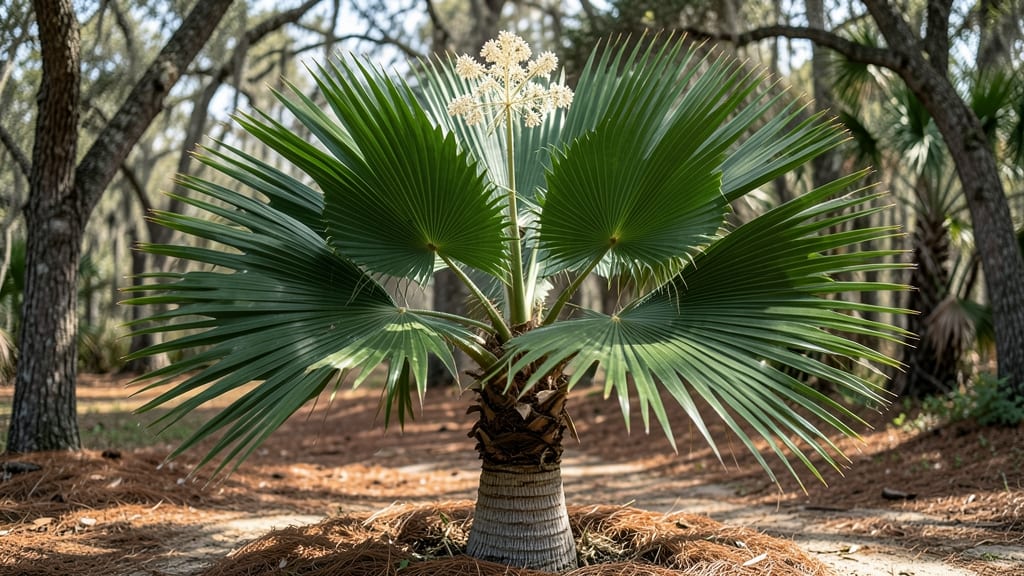
Meanwhile, palm trees like the Sabal palm or Pond cypress flourish in this humidity, unlike drought-prone desert species. The key is matching plants to the 10-15°F temperature range of their zone—any colder, and tender species like hibiscus or bougainvillea will suffer leaf damage or dieback.
Microclimates add another layer of complexity. Urban areas like downtown Orlando can be 2-3°F warmer than rural zones due to the "heat island effect," while lakeside properties may experience milder winters. For precise planting, use tools like the USDA Interactive Zone Map or local extension office data.
For instance, Lake County often falls in 9a, while Hillsborough County might lean toward 9b, affecting when to plant frost-sensitive crops like tomatoes or peppers.
Humidity also plays a role in plant health. Central Florida’s 70-90% relative humidity during summer can lead to fungal issues like powdery mildew on susceptible plants (e.g., roses or hydrangeas). To combat this, gardeners often opt for native species like coontie palm or firebush, which are naturally resistant.
Even non-natives, like jasmine or plumbago, thrive with proper airflow and occasional fungicide treatments.
Finally, the transition between zones matters for seasonal planting. While Zone 10a allows for year-round tropicals, Zone 8b areas (like northern Orange County) may need to protect tender plants during rare cold snaps with frost cloths or move potted plants indoors.
This nuance explains why some gardeners in Zone 9a can grow avocado trees outdoors, while those in Zone 8b might need to keep them in containers and winterize them.