
Container Gardens
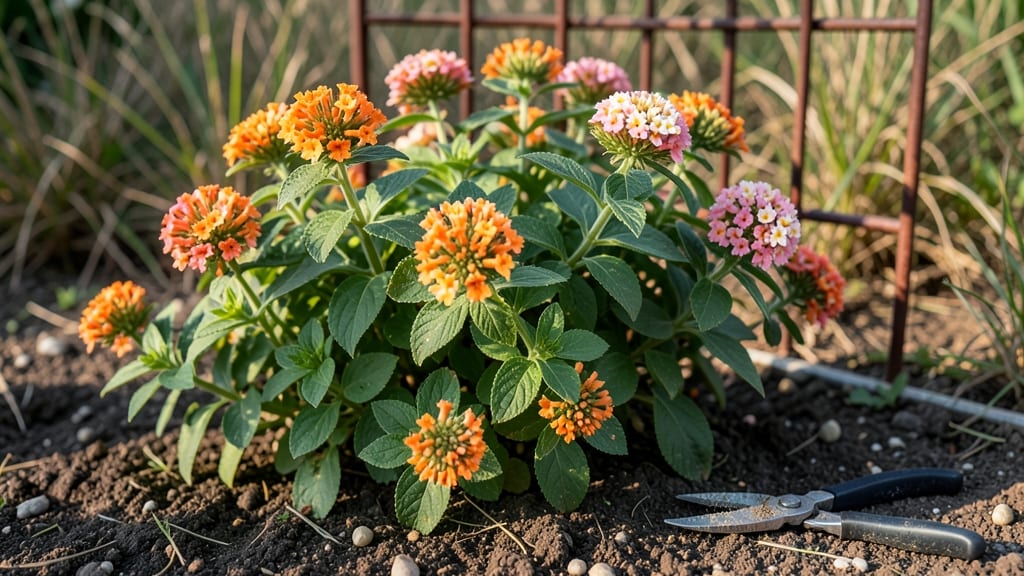
Knowing your growing zone helps you select the right plants for Dallas's unique climate. 🌿 The 10°F to 20°F range means you can grow a wide variety of plants year-round, but timing matters—frost can still occur in late winter, so protect tender plants until mid-March.
This zone supports everything from heat-loving succulents to cold-hardy perennials, making it ideal for both containers and in-ground gardens.
What sets Dallas apart is its hot summers and occasional freeze events—even in Zone 8b. Microclimates in neighborhoods like Highland Park or Oak Lawn can vary by 2-3 degrees, so always check local frost dates before planting frost-sensitive species.
This flexibility lets gardeners experiment with tropical plants in summer while still enjoying cold-resistant varieties year-round.
💡 In This Article
- Understanding Dallas Texas USDA Zone 8a-8b Climate Factors
- Best Plants for Dallas Texas Zone 8a-8b Gardens
Understanding Dallas Texas USDA Zone 8a-8b climate factors
Dallas's USDA Zone 8a-8b classification comes from its average annual minimum temperatures—10°F to 20°F (-12°C to -6°C)—which determine which plants can survive winter.
The key factor is how these lows interact with seasonal shifts: While Zone 8b can handle slightly warmer winters, Zone 8a experiences colder snaps, especially in areas like Mesquite or Grand Prairie where temperatures can dip closer to 10°F (-12°C).
These thresholds explain why some frost-sensitive plants like citrus or bougainvillea thrive in Dallas but may struggle in nearby Zone 7 areas.
The city's humidity levels (50-70% year-round) and summer heat (often exceeding 95°F/35°C) further shape plant suitability. High humidity helps tropical plants like hibiscus or bird of paradise tolerate heat, while the intense sun demands drought-resistant varieties like yucca or agave.
Microclimates add complexity: Urban heat islands in downtown Dallas can push temperatures 5-10°F (3-6°C) warmer than suburban areas, creating localized variations in frost risk and plant hardiness.
Frost dates are critical for planning. Dallas typically sees its last spring frost around March 15-30, while the first fall frost arrives November 1-15. However, unexpected freeze events (like the 2021 Texas freeze that dropped temps to 10°F/-12°C) can damage tender plants.
This unpredictability means gardeners must monitor forecasts and use row covers or mulch to protect vulnerable species during late winter or early autumn.
Another layer is soil temperature. Dallas's clay-heavy soil retains heat longer, which benefits warm-season crops but can delay spring planting. For example, tomatoes planted before April 15 risk stunted growth from cold soil, while peppers thrive once soil reaches 65°F (18°C)—usually by mid-April.
This soil behavior explains why some gardeners opt for raised beds or black plastic mulch to warm the ground faster.
Consider these climate nuances when selecting plants:
- Heat tolerance: Choose varieties rated for 100°F+ (38°C+) summers, like 'Black Knight' rose or 'Dwarf Mexican Petunia'
- Cold hardiness: Opt for perennials like salvia or Russian sage that survive 10°F (-12°C) snaps
- Drought resistance: Prioritize plants with deep roots (e.g., Turk's cap or desert willow) for water conservation
The interplay of these factors—temperature thresholds, humidity, frost timing, and soil behavior—makes Dallas's Zone 8a-8b ideal for both novice and experienced gardeners. Understanding these mechanics lets you push boundaries, like growing lemon trees in containers or experimenting with tropical fruits during peak summer months. 🌡️