
Planting
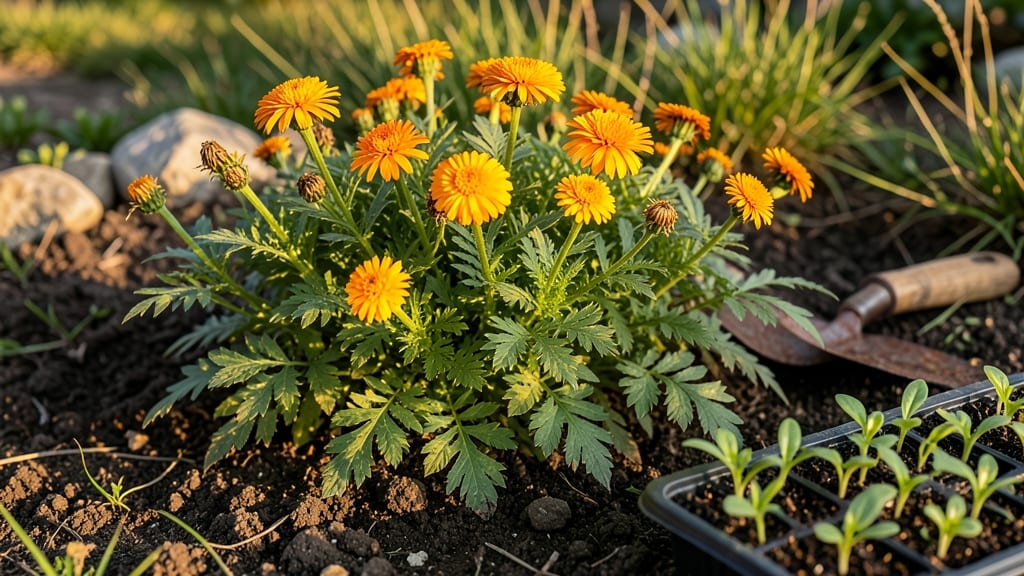
Fall planting in Zone 7 isn’t just about late-season harvests—it’s about setting up next year’s garden while enjoying crisp air and fewer pests. 🌿 I’ve learned the hard way that skipping fall planting means missing out on hardy greens, overwintering onions, and spring-flowering bulbs that naturalize beautifully.
The key is timing: sow cool-season crops like spinach and carrots 6-8 weeks before your first frost, while transplants (kale, broccoli, pansies) go in 4-6 weeks out.
Zone 7’s mild winters mean you can push the envelope with garlic and hardy herbs—just cover them with mulch once temps dip below freezing.
By late fall, you’ll have a garden that keeps producing through winter and a spring that bursts with color from tulips and snapdragons planted now. The soil stays loose, weeds stay down, and you’ll harvest fresh greens when most gardens are dormant.
Works for beginners (try lettuce and radishes) or advanced gardeners (overwintering broccoli or planting cover crops). Here’s exactly what to plant and when to get started—before the first frost locks things down.
📚 In This Guide
- What you need
- Instructions
- Tips and common mistakes
- Wrapping up and next steps
What you need
- ● Seeds or transplants: Choose cold-hardy varieties like kale, spinach, garlic, carrots, or broccoli (check seed packets for Zone 7 suitability). Pro tip: Buy 2–3x more seeds than you think you’ll need—some won’t sprout!
- ● Garden soil or compost: 2–3 cubic yards (for raised beds) or a 50-lb bag per 10 sq ft (for in-ground planting). Mix in aged compost for nutrients.
- ● Garden tools: Trowel (for precision planting)
- ● Hand fork or garden fork (to loosen soil)
- ● Pruners (for trimming dead foliage)
- ● Watering can or hose with a gentle spray nozzle
- ● Mulch: Straw, shredded leaves, or black plastic mulch (for warmth). Aim for 2–3 inches over soil.
- ● Row covers or frost cloth: Lightweight fabric to protect tender plants from early frosts (available in 3x4-foot or 4x6-foot sheets).
- ● Soil amendments: Bone meal (1 lb per 10 sq ft) for phosphorus or kelp meal for micronutrients.
- ● Plant markers: Biodegradable labels or popsicle sticks to track varieties.
- ● Drip irrigation kit: For consistent moisture (especially useful in fall’s unpredictable weather).
- ● Garden gloves: A pair of nitrile-coated gloves to protect hands from thorns (like kale) and soil.
- ● Seedling heat mat: If starting slow-growing crops indoors (e.g., broccoli) before the first frost.
Step-by-Step guide to planting cold-hardy crops in Zone 7 this fall
Fall planting in Zone 7 is your chance to grow hearty crops that sweeten with cool weather—here’s how to get it right.
🌱 Step 1: Choose the Right Crops for Zone 7’s Fall Conditions
Focus on cool-season vegetables that thrive when temperatures dip below 80°F but stay above 30°F. Leafy greens like spinach, kale, and Swiss chard handle frost beautifully, while root crops such as carrots, beets, and radishes mature quickly before winter sets in. Broccoli, cabbage, and Brussels sprouts also love the cooler air and even sweeten when exposed to light frosts.
I always plant 4-6 weeks before the first frost date—check your local average, which in Zone 7 typically falls between mid-October and early November. This timing ensures plants establish strong roots before cold weather slows growth. Avoid warm-season crops like tomatoes or peppers; they’ll bolt or rot in the chill.
🪴 Step 2: Prepare the Soil for a Productive Fall Garden
Test your soil’s pH and amend it if needed—most vegetables prefer a neutral 6.0-7.0 range. Work in 2-3 inches of compost to replenish nutrients depleted by summer crops. I use a broadfork to loosen the soil 6-8 inches deep without disturbing the grass or weeds below, which saves time and preserves soil structure.
Remove any remaining summer plants and their debris to prevent disease carryover. If your soil feels compacted, mix in sand or perlite for better drainage—fall gardens hate soggy roots. A light mulch of straw or shredded leaves after planting helps retain moisture and insulate roots from early frosts.
☀️ Step 3: Time Planting for Optimal Growth Before Frost
Direct-sow seeds 2-3 weeks before your average first frost for crops like lettuce, spinach, and radishes—they germinate quickly in cool soil. For transplants like broccoli or cabbage, plant 4-6 weeks before frost so they have time to establish before growth slows. I mark my calendar with the frost date and count backward to avoid rushing.
Space plants according to their mature size—12-18 inches apart for cabbage, 2-3 inches for radishes—to prevent competition. Water deeply after planting to settle the soil and encourage root growth. A drip irrigation system keeps moisture consistent without wetting foliage, which reduces disease risk in damp fall weather.
✂️ Step 4: Protect Plants from Early or Late Frosts
Once plants are established but before hard frosts (below 25°F), use frost blankets or row covers to shield tender crops. I drape lightweight fabric over frames or hoops and secure it with bricks or stakes—this traps warmth without smothering the plants. For extra protection, add a thin layer of mulch around the base to insulate roots.
Watch for light frosts (above 32°F) that can actually sweeten crops like Brussels sprouts and carrots. Harvest leafy greens before heavy frosts blacken them, but leave roots in the ground—they’ll stay edible for weeks if protected. If a hard freeze is forecast, cover plants before sunset to trap daytime warmth overnight.
🌿 Step 5: Maintain and Harvest for a Prolonged Fall Harvest
Reduce watering as temperatures drop—soil stays moist longer in cool weather, so check the top 1 inch before watering again. Fertilize lightly with a balanced organic fertilizer (10-10-10) every 3-4 weeks to support root development. I avoid high-nitrogen feeds late in the season, as they encourage leafy growth at the expense of storage roots.
Harvest regularly to encourage continuous production. Pick outer leaves from lettuce and spinach to keep the plant producing, and harvest Brussels sprouts from the bottom up. If plants bolt (send up flower stalks), pull them immediately—they’ll go to seed and ruin the bed. With proper care, your fall garden can keep producing until Christmas or even New Year’s in Zone 7.
Tips & tricks for fall planting success in Zone 7
Here's what nobody tells you about making your fall garden thrive—these are the details that separate a good harvest from an amazing one.
Timing is Everything: The 4-6 weeks before your first frost is your sweet spot for planting cool-season crops. I can't stress enough how important it is to check your local frost date—it varies even within Zone 7. For example, if your frost date is November 15, aim to plant broccoli transplants by October 15. This window ensures plants establish strong roots before growth slows dramatically.
Soil Prep Makes All the Difference: That 6-8 inch deep soil loosening in Step 2 isn't just about aeration—it's about creating the perfect environment for root development. I've found that using a broadfork instead of a tiller preserves soil structure better and prevents compaction. Pro tip: If your soil feels heavy after loosening, mix in some coarse sand or perlite—this improves drainage without altering the soil's natural composition.
Frost Protection Secrets: When you're using frost blankets (Step 4), here's what I learned the hard way: secure them tightly but not too tightly—you want airflow to prevent condensation buildup. For extra protection, add mulch around the base before covering. This double insulation keeps roots warmer than just using blankets alone. And remember, light frosts (above 32°F) actually sweeten crops like carrots and Brussels sprouts—don't be afraid of them!
Harvesting Strategy: The key to continuous production is regular harvesting. For leafy greens like spinach and kale, I harvest outer leaves first—this keeps the plant producing while still giving you fresh greens. For Brussels sprouts, always harvest from the bottom up. This might seem counterintuitive, but it encourages the plant to focus on developing more sprouts higher up. I've extended my harvest season by weeks using this method alone.
Pro Tips for What To Plant In Fall Zone 7
- Here's what nobody tells you about making your fall garden thrive—these are the details that separate a good harvest from an amazing one.
- Timing is Everything: The 4-6 weeks before your first frost is your sweet spot for planting cool-season crops.
- Soil Prep Makes All the Difference: That 6-8 inch deep soil loosening in Step 2 isn't just about aeration—it's about creating the perfect environment for root development.
Frequently asked questions
Got questions about planting in Zone 7 this fall? You’re not alone! Here are answers to some of the most common concerns—so you can plant with confidence.
What’s the best time to start planting in Zone 7?
For cool-season crops like kale, spinach, and carrots, aim to plant 6-8 weeks before your first frost date (usually late August to early October). Warm-season crops like broccoli and Brussels sprouts can go in 4-6 weeks before frost. Check your local frost dates for precision!
Can I plant flowers in fall for Zone 7?
Try pansies, snapdragons, or calendula—they thrive in cooler temps. For perennials, mums, asters, and ornamental kale add color and hardiness. Just avoid tender annuals like marigolds, which prefer warmer soil.
What if my soil is too wet after rain?
Wait until the top 2-3 inches of soil are dry enough to crumble (but not bone-dry). If planting is delayed, opt for container gardening or raised beds to improve drainage. A layer of mulch can also help regulate moisture.
Are there any low-maintenance fall crops for beginners?
Yes! Try garlic, onions, or radishes—they’re forgiving and store well. Leafy greens like lettuce and Swiss chard also grow quickly with minimal fuss. Just ensure good soil prep and consistent watering.
How do I protect my fall plants from pests?
Use row covers for cabbage moths or aphids, and neem oil as a natural deterrent. Crop rotation helps too! Avoid over-fertilizing with nitrogen, which attracts pests. A healthy plant is your best defense!
Wrapping up and next steps
Fall planting in Zone 7 is your golden opportunity to grow hardy crops that reward you with fresh harvests well into winter—or even next spring! 🌱 From leafy greens and root vegetables to garlic and cover crops, the right plants will thrive when temperatures drop.
With the right prep and timing, you’ll enjoy a productive garden and healthier soil for future seasons.
Ready to get growing? Start by sketching your fall garden layout—then grab your gloves and dive in!
Whether you’re a beginner or a seasoned gardener, every seed planted now is a step toward a more sustainable (and delicious) tomorrow. 🌿 Need a refresher? Revisit your Zone 7 plant list and pick your top 3 crops to try this season!