
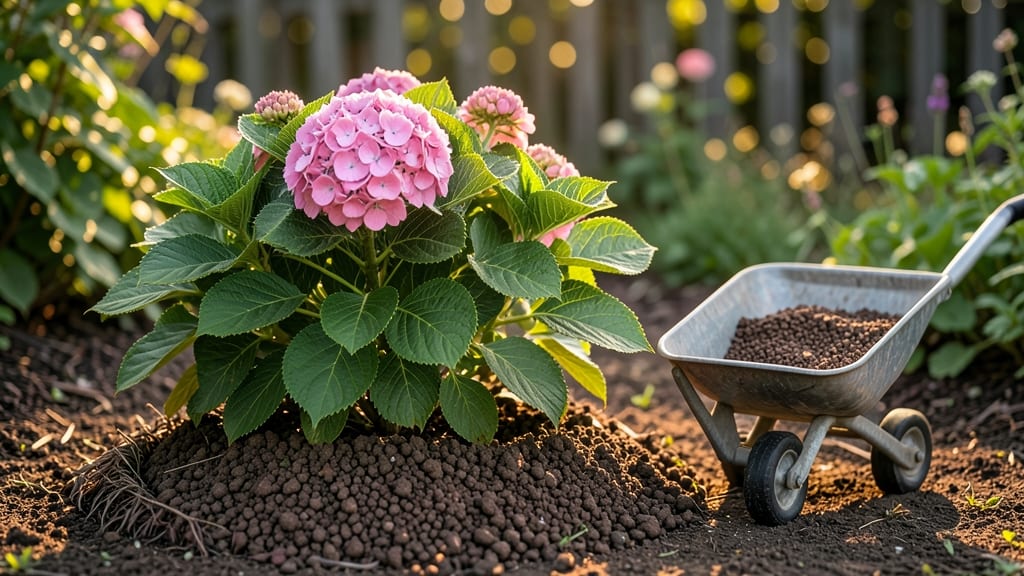
When to Fertilize Hydrangeas in Zone 7: Best Months for Peak Blooms & Soil Health

How To

When to Fertilize Hydrangeas in Zone 7: Best Months for Peak Blooms & Soil Health

Fertilizing hydrangeas in Zone 7 at the right time is the secret to show-stopping blooms — and skipping the window can leave you with sparse flowers or leggy growth instead.

Picture this: It’s early May, and your 🌸 hydrangeas are just waking up from winter, but you’ve missed the first feeding. By summer, you’ll notice fewer blooms and weaker stems — a common mistake even experienced gardeners make.

Zone 7’s mild winters and hot summers mean timing matters more than ever. Too early, and you’ll encourage leafy growth over flowers. Too late, and your plants won’t have the energy to bloom before fall’s chill sets in.

In this guide, I’ll break down the best months to fertilize for bigleaf, oakleaf, and panicle varieties, plus how to adjust for your soil and climate. No more guesswork — just lush, vibrant hydrangeas all season.

🌸 Hydrangea Feeding Schedule
Jan
Feb
Mar
Apr
May
Jun
Jul
Aug
Sep
Oct
Nov
Dec
Feed
Light Feed

Optimal fertilizing schedule for Zone 7 hydrangeas by bloom type

Getting your Zone 7 hydrangeas to produce stunning blooms year after year starts with understanding their unique fertilizer needs. Unlike other plants, hydrangeas respond dramatically to timing and type of fertilizer—apply too early or too late, and you might end up with sparse flowers or weak stems.

In Zone 7, where mild winters and hot summers create distinct growing phases, the key is feeding at the right moments for each hydrangea variety—bigleaf, oakleaf, or panicle.

For example, bigleaf hydrangeas (like the popular 'Endless Summer') thrive with early spring feeding to jumpstart growth, while panicle hydrangeas (such as 'Limelight') benefit from a mid-summer boost to support their bold, cone-shaped blooms.

Meanwhile, oakleaf hydrangeas appreciate a lighter touch in summer to avoid leggy growth. Let’s break down the exact month-by-month schedule tailored to your hydrangea type and climate zone.

🌿 PRO TIP: Always fertilize after a deep watering to prevent root burn, especially in Zone 7’s heat. And remember—organic fertilizers release nutrients slowly, while synthetic options provide an immediate boost. Choose based on your hydrangea’s current needs and your gardening preferences.

Signs your Zone 7 hydrangeas need fertilizer (and when to act)

Your Zone 7 hydrangeas might be silently begging for nutrients even when they look healthy. Yellowing leaves, sparse blooms, or stunted growth are classic red flags that your plants aren’t getting what they need.

Unlike other shrubs, hydrangeas thrive on consistent feeding—especially in Zone 7’s mild winters and hot summers—but overdoing it can burn roots. The key is spotting these signs early and acting before your plants skip their blooming season entirely.

First, check the leaves. If they’re yellowing between veins (not just the edges), it’s often a nitrogen deficiency. Purple stems or small, weak flowers mean phosphorus is lacking, while brown leaf tips could signal too much fertilizer.

In Zone 7, where summers stretch long, hydrangeas also suffer from nutrient burnout if you fertilize too late. The goal? Feed them just enough to fuel new growth without shocking their system as temperatures rise.

⚠️ CRITICAL: WHEN TO FERTILIZE IN ZONE 7

March-April: Apply balanced fertilizer (10-10-10) after pruning to kickstart growth. Bigleaf hydrangeas need this most for vibrant blooms.

June-July: Light feed with low-phosphorus fertilizer (5-10-10) to support flower buds. Avoid fertilizing after mid-August—new growth won’t harden off for winter.

September-October: Skip fertilization. Let roots recover before dormancy. Overfeeding now stresses plants in Zone 7’s cooler months.

Don’t wait until your hydrangeas look stressed to act. Preventative feeding in early spring (before buds swell) and a light mid-summer boost keeps them thriving. For bigleaf varieties, aim for blue blooms?

Test soil pH (aim for 5.2–5.5) and use acid-loving fertilizer like aluminum sulfate. Panicle hydrangeas, though, prefer neutral soil—so adjust your approach based on your type.

If you see fewer blooms than usual, it’s often a sign of late-season neglect. Hydrangeas need nutrients to set next year’s buds by mid-summer. A monthly soil check (scratch the surface—dry, hard soil means it’s time to water and feed) keeps you ahead.

Pro tip: Mulch in spring (2–3 inches of shredded bark) slows moisture loss and feeds roots gradually.

Zone 7’s extended growing season means hydrangeas stay active longer—so don’t fertilize after August 15. New growth won’t mature before winter, leaving plants vulnerable to freeze damage.

Instead, focus on cleaning up debris and watering deeply to prep for dormancy. By October 1st, your hydrangeas should be in low-maintenance mode, not scrambling for nutrients.

Remember: Less is more with hydrangeas. Over-fertilizing leads to leafy growth at the expense of flowers, while underfeeding starves your plants. Observe, adjust, and act—your hydrangeas will reward you with bigger blooms and healthier foliage next season. 🌸

★★★★★4.6(9 reviews)
Categories How To
Month Bigleaf Hydrangeas Oakleaf Hydrangeas Panicle Hydrangeas Fertilizer Type
March Feed (1 tbsp) Feed (1 tbsp) Feed (1 tbsp) Balanced (10-10-10) or Acid-Loving
April Light feed (½ tbsp) Light feed (½ tbsp) Light feed (½ tbsp) Organic (compost or worm castings)
May Light feed (½ tbsp) Skip or light feed Light feed (½ tbsp) Balanced or Acid-Loving
June Skip Skip Light feed (½ tbsp) Low-nitrogen (5-10-10)
July Feed (1 tbsp) Light feed (½ tbsp) Feed (1 tbsp) Balanced (10-10-10)
August Skip Skip Skip None
September Skip Skip