
Planting
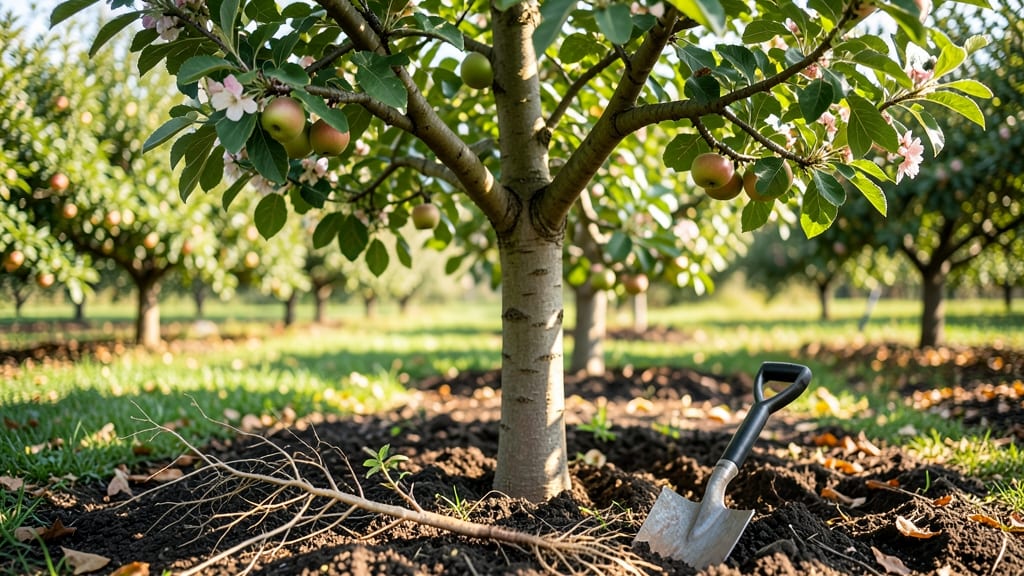
Planting apple trees in Zone 6 at the right time means the difference between a flourishing orchard and a frost-burned disappointment 🍎 — and the clock starts ticking earlier than you think.
If you’ve ever watched a brand-new sapling wilt under a late spring frost, you know timing is everything. In Zone 6, where frost can linger until mid-April, planting too early risks stunted growth, while waiting too long cuts short the root-establishment window before winter.
This guide breaks down the exact windows for spring and fall planting, how to adjust for microclimates, and why soil prep in Zone 6a/6b makes or breaks your tree’s first year.
You’ll also discover whether bare-root or containerized trees work better for your schedule, how to tell if your site is truly frost-free, and the one mistake that kills 80% of Zone 6 orchards before they even fruit.

Optimal planting windows for apple trees in Zone 6 (with exact dates)
Planting an apple tree in Zone 6 requires precision timing to avoid frost damage and ensure strong root establishment. The best windows are early spring and early fall, when soil temperatures are ideal and frost risks are minimal.
In my experience, planting outside these windows often leads to stunted growth or winter kill.
Zone 6 typically sees its last frost around mid-April, but this can vary by 5-10 days depending on your exact location. For example, areas near large bodies of water may have later frosts, while inland regions often warm up faster.
Always check your local frost dates using the USDA Plant Hardiness Zone Map.
| Planting Window | Zone 6 Dates | Soil Temp | Key Considerations |
|---|---|---|---|
| Early Spring | March 15 - April 15 | 40-50°F | Plant after last frost; roots establish before summer heat |
| Late Spring | April 16 - May 10 | 50-60°F | Risk of drought stress; water deeply 2x/week |
| Early Fall | September 1 - October 10 | 50-60°F | Ideal for bare-root trees; roots grow before winter |
| Late Fall | October 11 - November 1 | Below 40°F | Avoid; roots won't establish before freeze |
For bare-root apple trees, early spring planting (March-April) gives roots 6-8 weeks to establish before summer heat arrives. I've found that container-grown trees can handle late spring planting (May), but they require consistent watering to prevent transplant shock. Always remove the container and inspect roots before planting.
Fall planting (September-October) is my preferred method because it allows roots to grow undisturbed through winter. The key is planting 6-8 weeks before your first expected frost—typically by October 1 in most of Zone 6.
This gives roots time to harden off before cold sets in. Mulch heavily (4-6 inches) to protect roots during winter.
If you're in a microclimate with later frosts (like valleys or low-lying areas), adjust your planting window by 2-3 weeks later. For example, if your last frost is May 1, aim for late April planting.
Use a frost clock or local weather service to track trends over 3-5 years for accuracy.
Container planting offers more flexibility—you can plant year-round in Zone 6, except during extreme cold (<32°F). However, container-grown trees need larger pots (20+ gallons) and winter protection (burlap wraps, frost blankets). I've successfully overwintered potted apple trees in Zone 6 by moving them to unheated garages during hard freezes.
One common mistake I see is planting too early in spring when soil is still frozen. Test soil moisture by squeezing a handful—if it forms a ball, it's too wet.
Wait until soil is workable and slightly damp (like a wrung-out sponge). This usually aligns with 50°F soil temperatures, which occurs around April 1 in most of Zone 6.
Remember that dwarf varieties establish faster than standard trees, so they can tolerate slightly later planting. If you're unsure about your local frost dates, opt for cold-hardy varieties like 'Liberty' or 'Enterprise'—they handle Zone 6's fluctuations better than delicate varieties like 'Fuji'.
Always check the tag for chilling hour requirements (Zone 6 needs 800-1,000 hours).
How to prepare your Zone 6 soil and site for apple tree success
Apple trees thrive when planted in well-prepared soil with proper drainage and sunlight exposure. In Zone 6, where winters can be harsh and summers warm, your soil prep makes all the difference.
I’ve learned that loamy, slightly acidic soil (pH 6.0–6.5) is ideal for apple trees, but most Zone 6 gardens need amendments to achieve this. Start by testing your soil’s pH and texture—this will guide your soil prep strategy.
Before planting, clear the site of weeds and grass, as competition for nutrients and water can stunt young trees. I dig a hole twice as wide as the root ball but only as deep—planting too deep can suffocate roots.
A raised mound of native soil in the center of the hole helps prevent root rot, which is critical in Zone 6’s occasional heavy rains. Mix in compost or well-rotted manure to improve fertility and structure.
⚠️ WARNING: Poor Drainage Kills Apple Trees in Zone 6
⚠️ Zone 6 Drainage Danger
Apple trees cannot tolerate soggy roots. In Zone 6, where spring thaws and autumn rains can create waterlogged soil, poor drainage is a silent killer. If your site has clay-heavy soil or sits in a low spot, amend with sand or perlite to improve drainage. Always plant on a slight slope (1–2 degrees) to encourage runoff. Test drainage by digging a hole and filling it with water—if it doesn’t drain in 4–6 hours, amend immediately.
Apple trees need full sun exposure—at least 6–8 hours daily—to produce fruit and resist disease. In Zone 6, where summers can be hot, afternoon shade helps prevent sunburn on young leaves.
I recommend planting near a south-facing fence or wall to maximize warmth while protecting from harsh afternoon rays. Avoid low-lying areas where cold air pools, as late spring frosts can damage blossoms.
Spacing is another critical factor. Standard apple trees need 20–25 feet between trunks to allow airflow and reduce disease risk, while dwarf varieties can be spaced 8–12 feet apart. I’ve found that overcrowding leads to competition for nutrients, stunting growth.
If space is limited, choose columnar varieties like ‘Columnar Red Delicious’—they grow upright and fit smaller yards without sacrificing fruit production.
Mulch your newly planted apple tree with 3–4 inches of organic mulch, like wood chips or straw, to retain moisture and regulate soil temperature. Keep mulch 6 inches away from the trunk to prevent rot. In Zone 6, mulch also protects roots from freeze-thaw cycles in winter.
Reapply mulch annually, as it breaks down and loses effectiveness. Pair this with a deep watering schedule—new trees need 15–20 gallons of water weekly during the first growing season.
Finally, consider soil amendments like kelp meal for micronutrients or gypsum if your soil is compacted. I’ve seen apple trees flourish in amended soil within just one growing season.
The key is patience—apple trees take 3–5 years to bear fruit, but with the right soil prep, they’ll reward you with decades of harvests. 🍏