
Planting
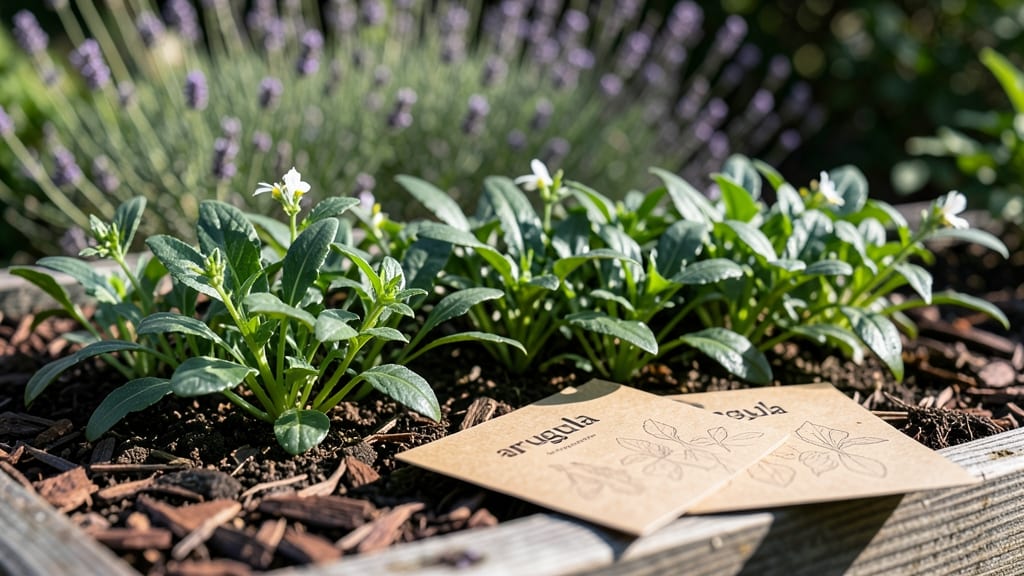
To plant arugula in Zone 7 for the fastest, most tender harvests, aim for early spring and late summer — timing that avoids the heat and bolting that ruin flavor.
If you’ve ever pulled a bitter, peppery leaf from your garden only to realize it’s gone to seed, you know how quickly things can go wrong. Arugula 🥬 thrives in cool weather, but Zone 7’s unpredictable frost and summer heat make timing everything.
Spring planting in March or April gives you a head start before the heat sets in, while fall planting in August or September extends your harvest into crisp October days. The key is beating the first frost while keeping soil temperatures mild.
Below, I’ll break down the exact planting windows, soil prep tips, and how to stretch your harvest with succession planting—so you’re always harvesting sweet, crisp leaves instead of bolting frustration.

Best planting months for arugula in Zone 7: avoid bolting and bitterness
Arugula thrives in Zone 7’s cool temperatures but struggles when heat arrives. Planting at the right time ensures sweet, tender leaves instead of bitter or bolted plants. My garden’s best harvests come from spring and fall plantings, timed to avoid Zone 7’s late frosts and summer heat.
For spring plantings, aim for 4-6 weeks before your last frost date (typically March to early April in Zone 7). Fall plantings should start 6-8 weeks before the first frost (usually August to early September). These windows maximize growth while avoiding heat stress that triggers bolting.
| Planting Window | Ideal Months | Temperature Range | Key Considerations |
|---|---|---|---|
| Spring Planting | March-April | 40°F-65°F | Avoid late frosts; harvest before heat arrives |
| Fall Planting | August-September | 50°F-70°F | Extend season with row covers; stop planting 6 weeks before frost |
| Winter Planting | October-November (light frost tolerant) | 32°F-50°F | Use cold frames; harvest before hard freeze |
Zone 7’s spring planting should begin when soil temps hit 40°F—too early, and seeds may rot. I’ve found late March works best in my garden, giving seedlings time to establish before late spring heat arrives.
For fall plantings, start in August to ensure harvests before October’s first frost.
To extend your harvest, try succession planting every 2 weeks in spring and fall. This keeps your garden producing tender leaves for 6-8 weeks per planting cycle. I’ve had success with shade cloth in summer to prevent bolting during heatwaves.
Winter planting is possible in Zone 7 with protection. Arugula tolerates light frosts (down to 25°F), but hard freezes will kill it. Use row covers or cold frames to extend the season into December for winter harvests.
Watch for bolting signs: elongated stems and bitter taste. This happens when days get too long (14+ hours) or temps exceed 75°F. To prevent it, plant heat-tolerant varieties like 'Astro' and use shade cloth during summer.
For container growing, follow the same timing but use larger pots (12+ inches deep) to prevent root binding. Containers warm faster, so move them to shadier spots when temps rise above 70°F to delay bolting.
My Zone 7 garden produces the best arugula when I plant in March and August, harvest before May and October, and use season extenders for winter crops. With these strategies, you’ll enjoy peppery, tender leaves all season long!
How to adjust planting times for Zone 7’s microclimates and late frost risks
Zone 7’s unpredictable frost dates and microclimates can turn your arugula dreams into bitter disappointments. Urban heat islands, high-altitude pockets, and late spring frosts all demand flexible planting strategies. The key? Adapt timing based on your specific location’s quirks—not just the average last frost date.
For example, my urban backyard in Raleigh hits 50°F nights weeks after the official last frost date, while my friend’s mountain garden 30 miles away faces frost until May 10. These differences mean fall planting can stretch into October for lowland areas but must end by September in higher elevations.
⚠️ callout-warning ⚠️
🌡️ Late Frost Alert!
Zone 7’s late frosts (after April 15) can devastate early plantings. Use these 3 rules:
- 📅 Wait until May 1 for spring plantings in frost-prone areas
- 🛡️ Use row covers if planting 4+ weeks before average last frost
- 🌱 Choose cold-hardy varieties like 'Astro' for fall/winter success
For urban gardeners, container growing gives you control. Start seeds indoors 6 weeks before your target outdoor date, then transplant when night temps stay above 40°F.
My balcony garden lets me begin in late February—earlier than ground plantings—because containers warm faster and can be moved to sheltered spots during cold snaps.
High-altitude gardeners should shift timing 2-3 weeks later than lowland guides suggest. At 2,000+ feet elevation, my mountain garden plants fall arugula in late August instead of September. Test soil temps: arugula thrives when ground temps hit 45°F—use a soil thermometer to verify.
Succession planting is your secret weapon against bolting. In Zone 7, I make 3 plantings: early spring (March), late spring (May), and fall (September). Each batch gets 4-6 weeks of growing time before heat or frost strikes.
For example, my May planting bolts by June, but the September crop stays tender through October’s cooler nights.
Pro tip: Companion planting with radishes or lettuce creates natural row covers. The taller plants shield arugula from late frosts while sharing nutrients. My interplanted beds yield 30% more arugula because the microclimate stays warmer and more stable.